Smoke inhalation is one of the leading causes of fire-related deaths. Even small fires can produce toxic gases such as carbon monoxide and hydrogen cyanide that impair breathing and reduce oxygen supply. Dense smoke also causes disorientation, making escape more difficult. Early detection is vital because it provides time to evacuate before dangerous concentrations build.
Adequate fire detection equipment ensures rapid response, helping to protect occupants from life-threatening exposure and reducing the risk of serious injury.
The Dangers of Smoke Inhalation
Smoke inhalation is dangerous because it combines three threats: toxic gases that poison the bloodstream, fine particles that irritate and block the lungs, and oxygen depletion that makes breathing difficult. In buildings, smoke moves fast and unpredictably. Hot smoke rises, spreads through ceilings and stairwells, and travels through ventilation shafts. It can fill upper floors within minutes, limit visibility and make safe evacuation harder. Even before flames reach occupants, smoke can already put lives at risk.

Who is at Risk?
Everyone in a building fire faces the risk of smoke inhalation, but some groups are more vulnerable than others.
- Children
- Children have smaller lungs and faster breathing rates which make them absorb smoke more quickly.
- Older adults
- Older people tend to have slower movement and lower lung capacity which increases exposure.
- People with health conditions
- Conditions such as asthma, heart disease and other respiratory problems worsen the effects.
- Sleeping occupants
- Sleeping occupants may not wake quickly, delaying escape until smoke levels are already high.
- Workers in high-risk environments
- High-risk environments such as factories, warehouses and chemical plants often contain materials that produce especially toxic smoke.
Challenges of installing Fire Safety Equipment
Installing fire safety equipment is essential but comes with practical challenges.
- Building layout
- Complex structures with multiple floors or hidden spaces make coverage harder.
- False alarms
- Poor placement or unsuitable detectors can trigger unnecessary evacuations.
- Integration
- New systems must work seamlessly with existing alarms, suppression systems and monitoring tools.
- Maintenance
- Regular testing, servicing and replacements are required to keep systems reliable.
- Cost
- High-quality equipment and professional installation can be expensive, affecting budgets.
Morley-IAS
The Morley-IAS Addressable Fire Detection system is designed to provide fast, accurate identification of fire risks in a wide range of buildings. Unlike conventional systems, it can pinpoint the exact location of an alarm, allowing quicker investigation and response.
Its scalable design makes it suitable for small sites through to complex facilities, while advanced programming options support tailored detection strategies. By improving precision and reducing false alarms, the Morley-IAS Addressable Fire Detection system helps safeguard occupants and ensures compliance with fire safety standards.
Morley-IAS Plus
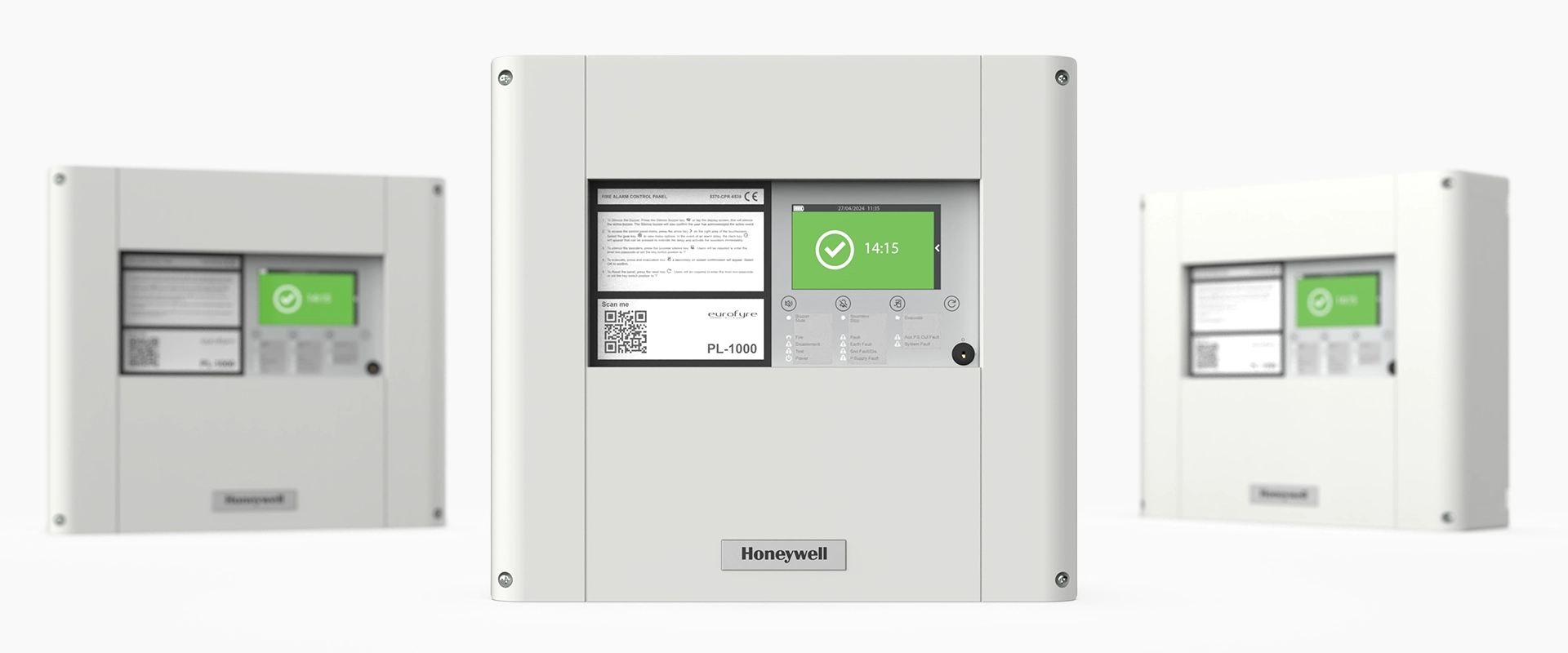
The Morley-IAS Plus is an advanced addressable fire detection panel built for reliability and ease of use. It offers faster detection, clear alarm identification and flexible configuration to suit different building types.
With intuitive controls, and support for a wide range of detectors and devices, it helps reduce false alarms while ensuring rapid response in real fire situations. Its scalability makes it a strong choice for both small and large installations where safety and compliance are critical.
Approvals


Morley-IAS Advanced Protocol
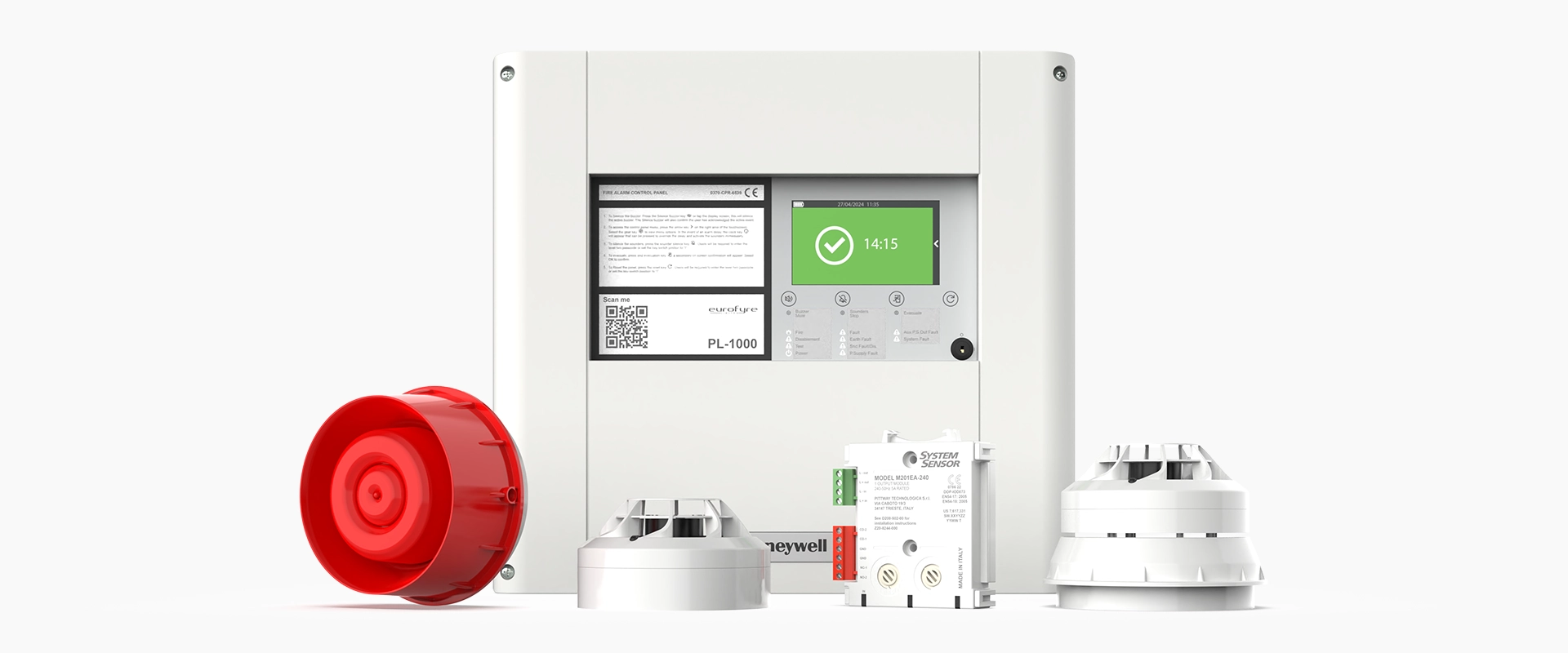
The Advanced protocol improves communication between the control panel and connected devices. It allows more detectors, call points and modules to be installed on a single loop, reducing cabling and installation costs.
The Advanced protocol also supports faster data transfer, which means alarms and faults are identified more quickly. With enhanced capacity and speed, it ensures reliable performance in larger or more complex buildings where accurate detection is critical.
Colour Coordinated System Conditions
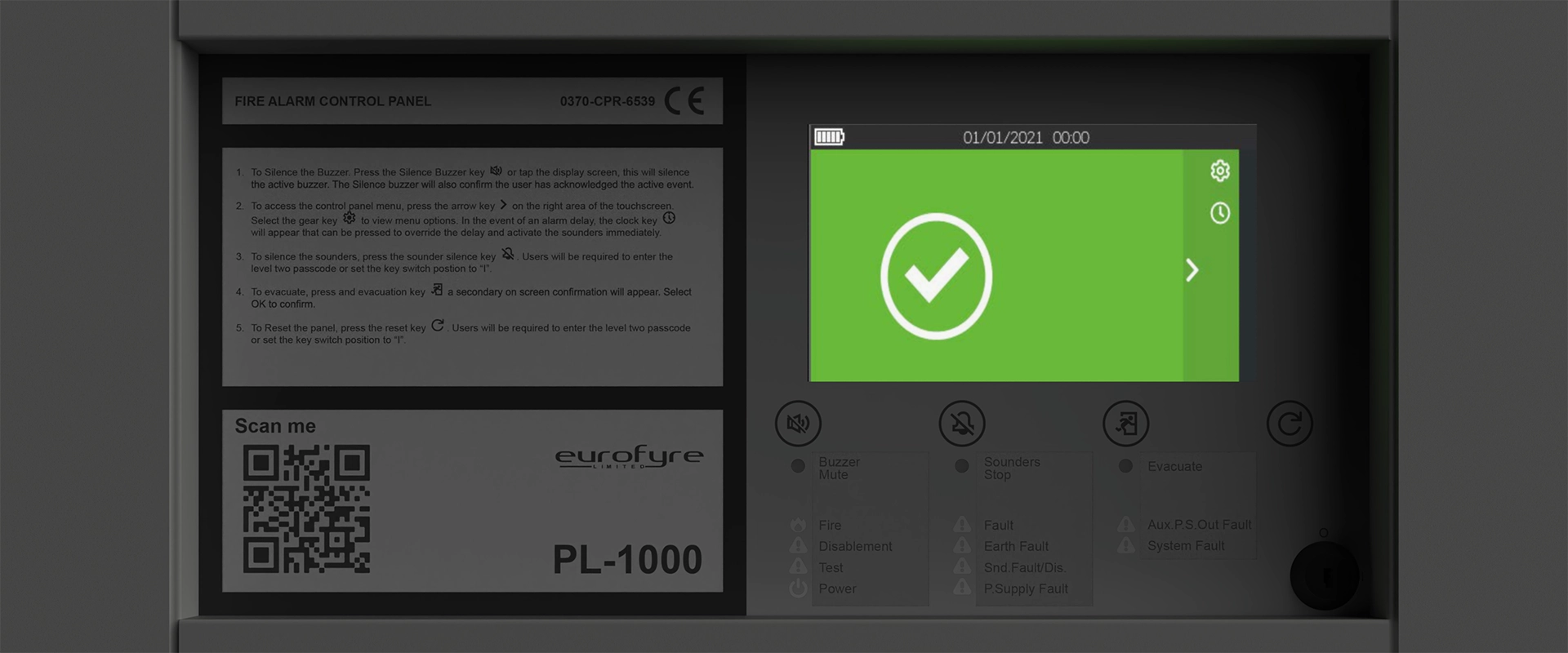
The Morley-IAS Plus uses clear, colour displays to show the system’s current status. Different colours highlight normal operation, fire alarms, faults and other key events, making it easy for users to understand the situation at a glance. This reduces confusion during emergencies and helps ensure faster, more accurate responses from building staff or fire wardens.


Design Considerations for the Earliest Warning
Panel Placement
The Morley-IAS Plus panel should be placed in an accessible location near a main entrance or staffed area. This ensures building staff and emergency services can quickly view system status and respond. Panels should be mounted at eye level in secure but visible positions, away from potential fire or smoke sources.

Detector Placement
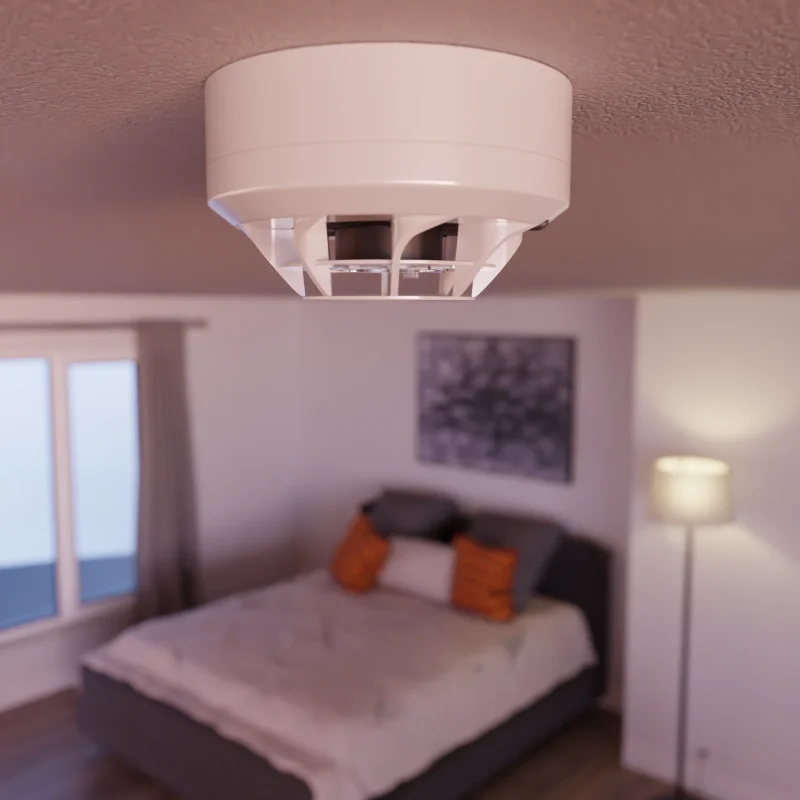
Morley-IAS systems support different detector types to provide early smoke warning in varied environments. Optical smoke detectors are best for offices, corridors and living areas where smouldering fires may occur. Heat detectors suit kitchens, boiler rooms and workshops where smoke or steam could cause false alarms. Multi-sensor detectors combine smoke and heat sensing, making them effective in areas with mixed fire risks. Correct placement ensures faster detection and better protection for occupants.

Wall Sounder Placement
The wall sounder provides a clear audible alarm to warn occupants of fire. For optimal placement, sounders should be installed at regular intervals so the alarm is easily heard throughout the building. They must meet required sound levels, avoid obstruction by walls or furniture and be positioned to cover escape routes effectively.

Manual Call Point Placement
Manual call points should be installed along escape routes, near exits and at all floor landings. They need to be mounted at a height of around 1.4 metres for easy access and placement should ensure that anyone detecting a fire can quickly raise the alarm without delaying evacuation.

Typical Wiring Diagram

Handpicked Solutions for Early Warning Smoke Detection
Addressable Control Panel

The Morley-IAS Plus Control Panel combines advanced technology with user-friendly features for maximum security and efficiency. This panel includes Honeywell’s innovative Advanced protocol which ensures fast, reliable detection of fire threats. Detailed information is provided to installers, allowing for streamlined troubleshooting and system maintenance.
Addressable Detectors
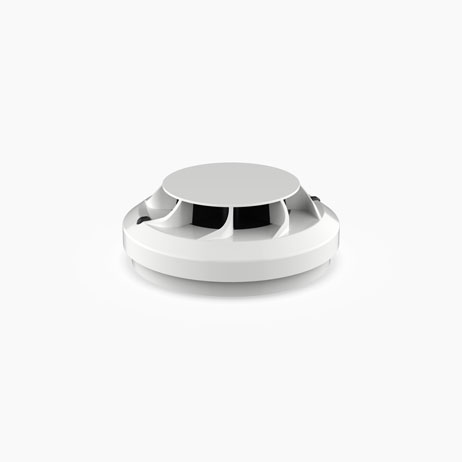
Morley-IAS Addressable Optical Smoke Detectors feature redesigned chambers for better responsiveness, minimising false alarms from dust and insects, and use advanced processing and algorithms to enhance detection accuracy and speed.
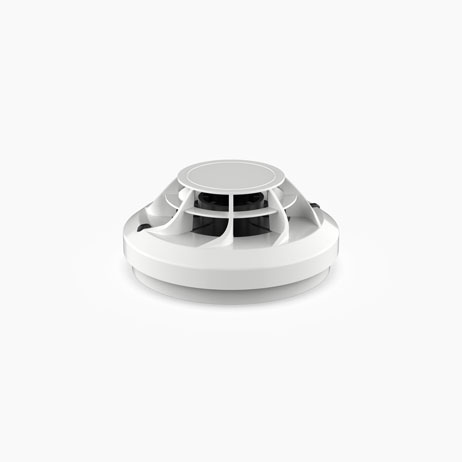
Morley-IAS’s Addressable Heat Detectors provide swift response using low mass thermistors and microprocessors. They offer fixed temperature detection or rate-of-rise detection with configurable settings, all in a sleek, modern enclosure.
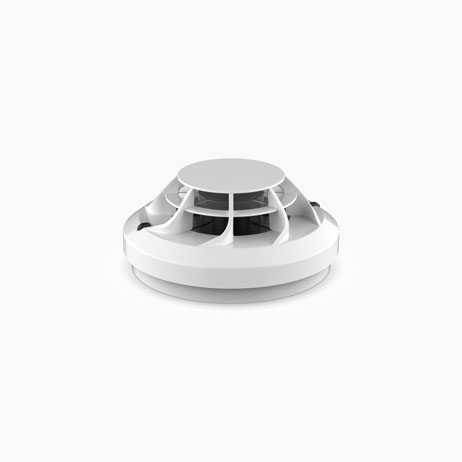
Morley-IAS’s Addressable Multi-Sensor Detectors merge thermal and photoelectric detection for advanced fire immunity. They adapt to various conditions, housed in a modern enclosure with a 360° LED indicator for clear visibility.
Addressable Manual Call Points
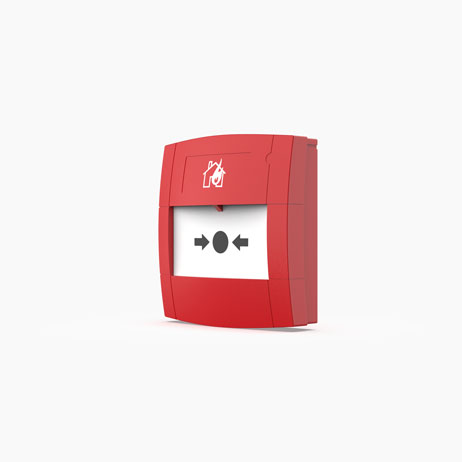
Morley-IAS Addressable Manual Call Points offer user-friendly, tamper-proof design, ease of installation, and high reliability, thanks to quality components and intelligent features.
Addressable Sounders
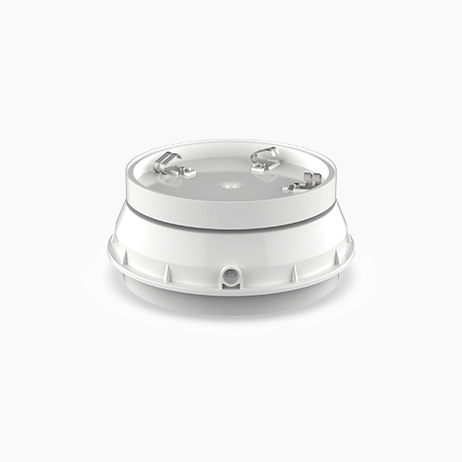
The Morley-IAS Addressable Base Sounder is a premium loop-powered device for emergency alerts. It uses the B501AP base for flexible installation and syncs with SS intelligent detectors, producing powerful, customisable audible warnings for diverse applications.
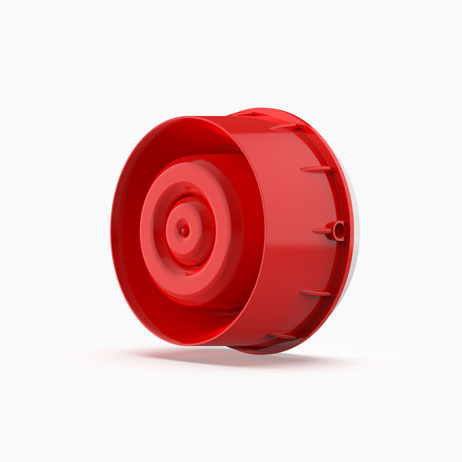
Morley-IAS Addressable Sounders alert occupants through loop-powered design. They attach to the B501AP base with ease, with control options via onboard switches or fire panels for adaptable, audible warnings in emergencies.
Addressable Interfaces

Morley-IAS Addressable Single Input Modules provide supervision of one input circuit. It offers both latched and analogue supervision. There are three separate latched states: normal; open circuit; and combined alarm/short. The analogue supervision continuously monitors the supervised circuit, returning a signal proportional to the circuit resistance.
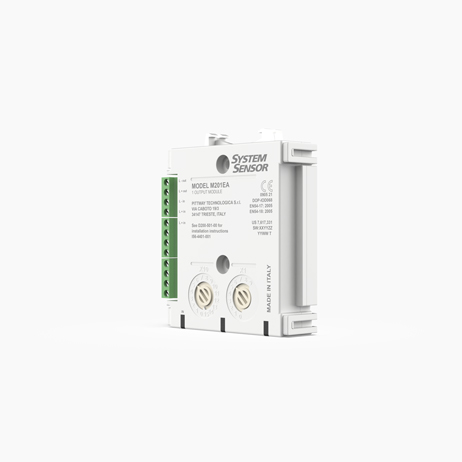
The Morley-IAS Addressable Single Output Module optionally supervises the wiring to the load devices and, upon command from the control panel, switches an external power supply to operate these devices.
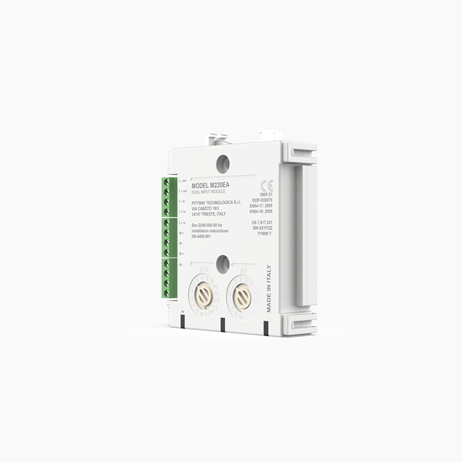
Morley-IAS Addressable Dual Input Modules are dual channel modules used for the monitoring of normally open contact fire alarm and supervisory devices.
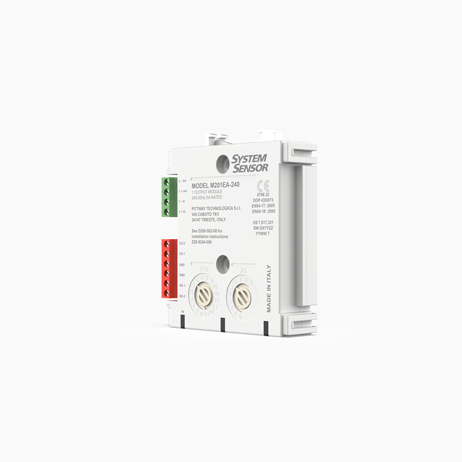
The Morley-IAS Addressable Mains Rated Output Module is a loop-powered device specifically designed to control an unsupervised double-pole output. This output module is capable of managing 240VAC loads. It consists of a bistable output relay that can latch in either the On or Off state upon receiving a command from the control panel.
Why Choose Eurofyre?
- Honeywell Fire Platinum Partner
- Eurofyre is a Honeywell Fire Platinum Partner. This means we can offer regional or industry-specific solution expertise that includes implementation and advanced customer support for models for Honeywell products along with the most competitive pricing.
- Complete System Supplier
- Eurofyre supplies all aspects of fire detection and its associated safety products, including addressable fire detection systems, and can provide expert advice and consultation.
- Demonstration and Training
- We offer demonstrations and expert training on a range of systems, including Morley-IAS, in our very own sophisticated training facility.
- After-Sales Support
- Eurofyre offers both on-site and telephone support to assist you in ensuring that your system is fully functional and operating at maximum efficiency. Our after-sales care and support are second to none.
For more information about Morley-IAS Plus to discuss any of the other products that Eurofyre has to offer, please feel free to get in touch either by phone on +44 (0) 1329 835 024, by email to [email protected] or via the online enquiry form situated on our contact page.
Don’t forget you can follow us on LinkedIn, Twitter and Facebook or sign up to our newsletter (in the footer below) to receive all the latest information.