Hospitals are among the most complex buildings in the built environment, combining wards, operating theatres, diagnostic imaging suites, laboratories, plant rooms, pharmacies and administrative offices within a single site that typically operates around the clock. They accommodate patients with varying levels of mobility, alongside clinical staff, visitors and contractors, often across multiple interconnected buildings of differing ages and construction types.
Because hospitals provide continuous, often life-critical care, fire safety carries a particular weight. Occupants cannot always be evacuated quickly, and many depend on equipment or environmental conditions that cannot simply be switched off. Effective fire detection is therefore essential not only to protect life, but to safeguard mission-critical equipment, maintain continuity of patient care and support compliance with healthcare fire safety guidance.
Fire Risks in Hospitals
Hospitals present a distinct set of fire risks, including:
- Electrical and Medical Equipment
- Hospitals rely heavily on electrical and electronic equipment, from imaging and monitoring devices to ventilators and IT infrastructure. Faults or overheating in this equipment can create ignition sources.
- Oxygen-Enriched Environments
- Many clinical areas use medical gases, including oxygen, which can significantly increase the intensity and speed of fire spread if ignition occurs nearby.
- Kitchens, Laundries and Plant Rooms
- Catering facilities, laundry equipment and boiler or plant rooms all introduce heat sources and combustible materials into an otherwise clinical environment.
- Combustible Materials and Clinical Waste
- Bedding, furnishings, packaging and stored clinical or general waste can all contribute to fire load, particularly where storage is not tightly controlled.
- Ageing Building Fabric
- Many hospital sites include older buildings that may have been extended or altered over time, sometimes with wiring or construction methods that increase fire risk.
Fire Detection Challenges in Hospitals
Designing and maintaining fire detection in hospitals presents its own set of challenges, including:
- Continuous, Critical Operation
- Hospitals typically cannot tolerate extended shutdowns for testing, maintenance or upgrade works, particularly in areas supporting live patient care.
- Vulnerable and Immobile Occupants
- Patients may have limited mobility or be reliant on equipment, meaning evacuation can take significantly longer than in other building types, making reliable early warning particularly important.
- Noise-Sensitive Environments
- Wards, recovery areas and intensive care units require a calm environment, so fire detection equipment needs to operate reliably without contributing unnecessary noise or disturbance.
- Complex, Compartmentalised Layouts
- Hospitals are often divided into numerous wards, departments and service areas, each with different ventilation, access and fire compartmentation requirements.
- Restricted Access for Maintenance
- Clinical areas, infection control requirements and patient privacy can all limit when and how engineers are able to access detection equipment for testing and servicing.
Securiton Aspirating Smoke Detection Solutions
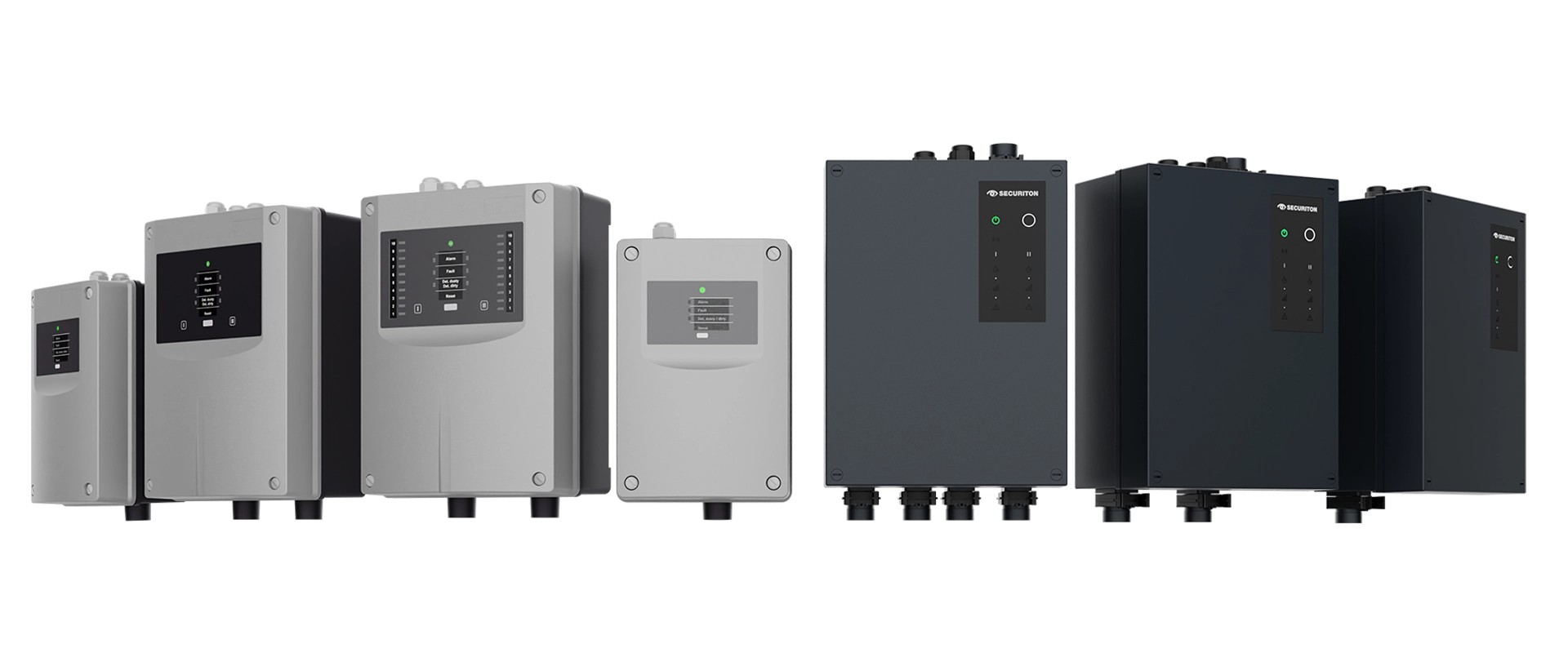
Aspirating smoke detection (ASD) provides very early warning fire detection by continuously drawing air samples through a network of sampling pipes into a central detector, where the air is analysed by highly sensitive smoke sensors. This allows extremely low concentrations of smoke to be identified long before they would be picked up by conventional point detectors, giving hospital staff valuable additional time to investigate and respond.
Securiton, a Swiss specialist in aspirating smoke detection, has developed the SecuriSmoke ASD 2000 range as its latest generation of ASD technology, combining high detection performance with a digital-first approach to design, commissioning and maintenance.
SecuriSmoke ASD 2000
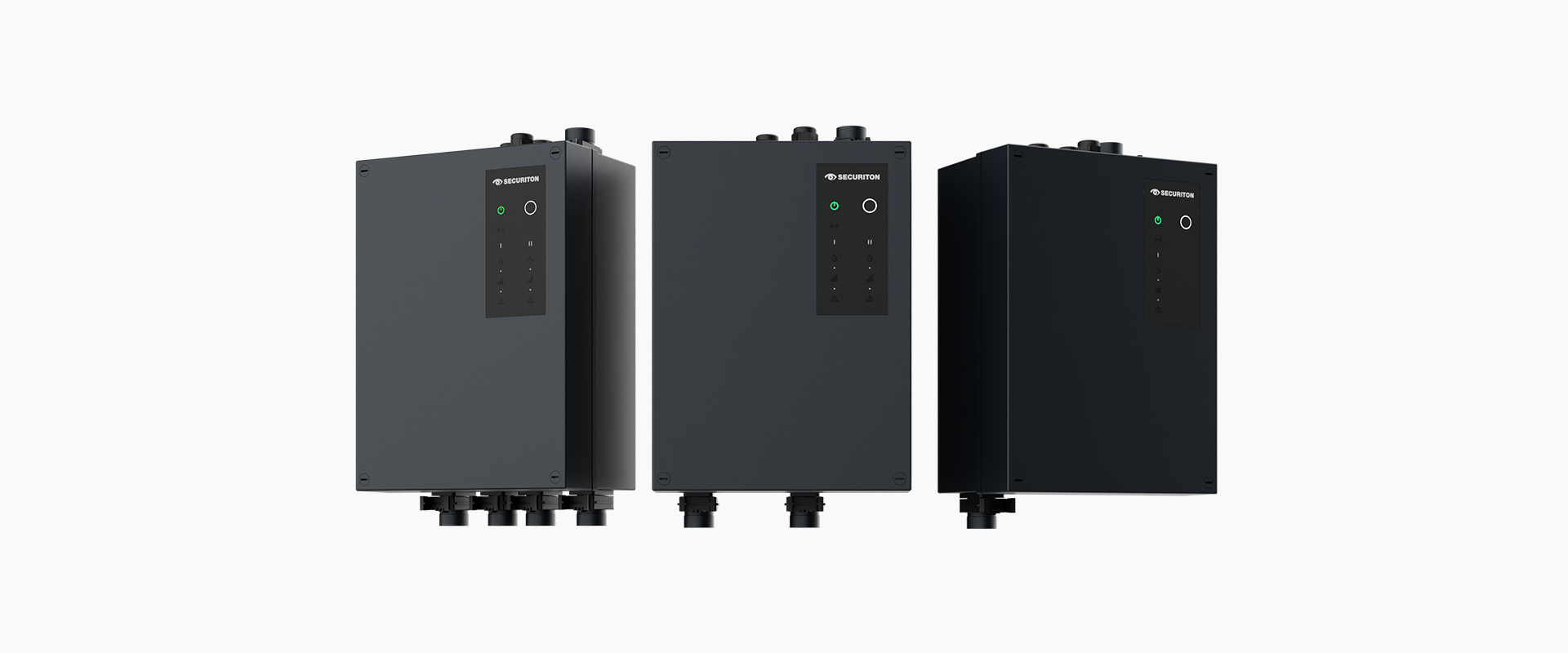
The SecuriSmoke ASD 2000 range comprises three models, the single-channel ASD 2001, the two-channel ASD 2002 and the four-channel ASD 2004, allowing systems to be scaled to suit hospital departments of different sizes and complexity. Depending on the model and EN 54-20 sensitivity class selected, aggregate pipe lengths of up to 700 metres are supported, enabling a single detector to protect wards, corridors and plant areas from one central location.
The range offers alarm thresholds as low as 0.01 percent per metre and a maximum sensitivity of 0.001 percent per metre, supporting very early warning and staged alarm responses. Each sampling channel is monitored by an ultrasonic airflow sensor, which remains stable and accurate even where dust or temperature fluctuations are present, helping to identify blockages or leaks in the pipe network quickly. A three-stage filtration system, including a centrifugal separator, helps protect the detection chamber from contaminants and reduce the risk of unwanted alarms.
Notably for hospital applications, the ASD 2000 range operates at just 21 dB(A), making it one of the quietest aspirating smoke detectors available, suitable for installation in noise-sensitive environments such as wards and clinical areas without causing disturbance to patients or staff. Commissioning, configuration and diagnostics are managed through Securiton’s MobileConfig app with cloud-based access management, helping to reduce the tools and time required on site, while modular internal components allow servicing without special tools.
Approvals



Design Considerations
Control Panel Placement
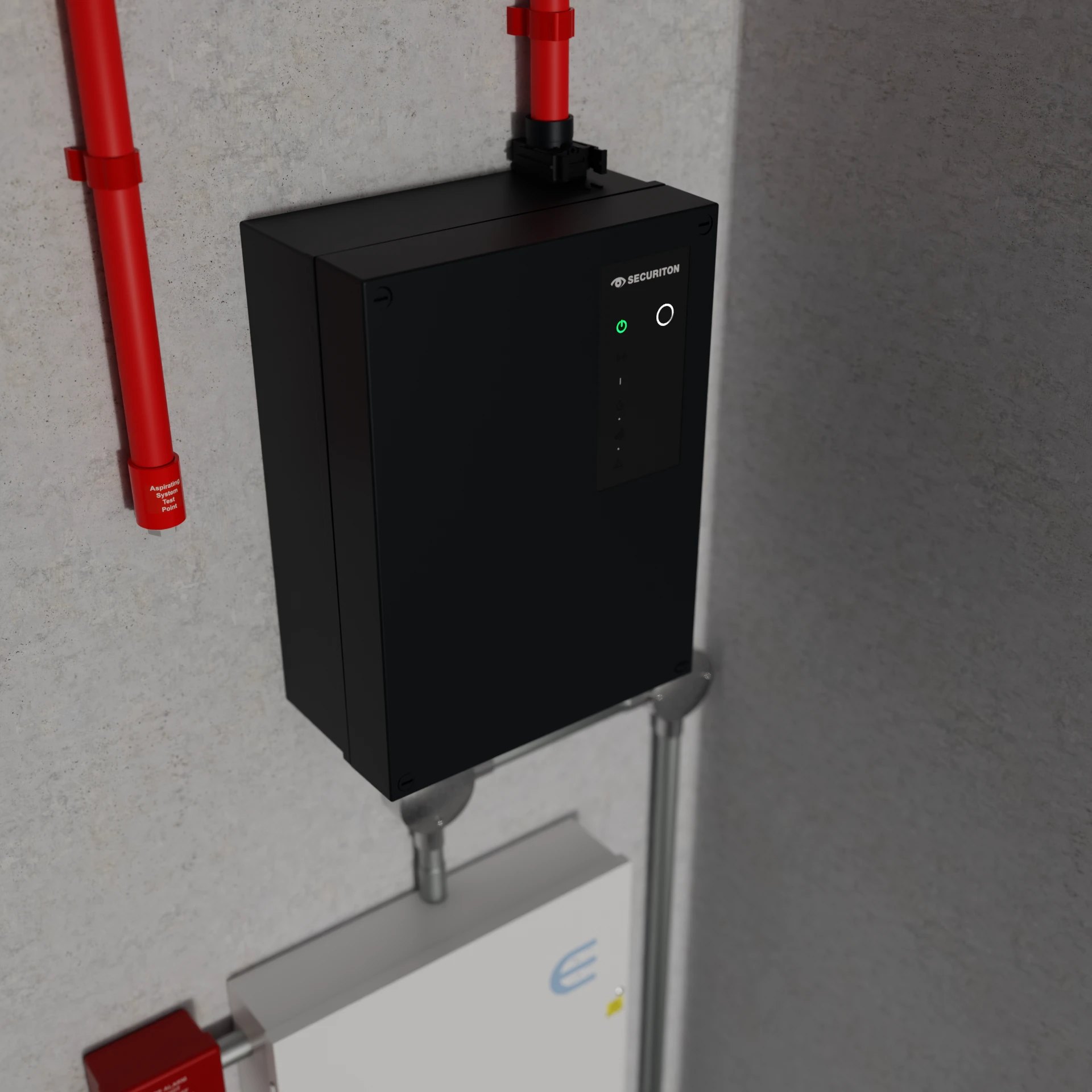
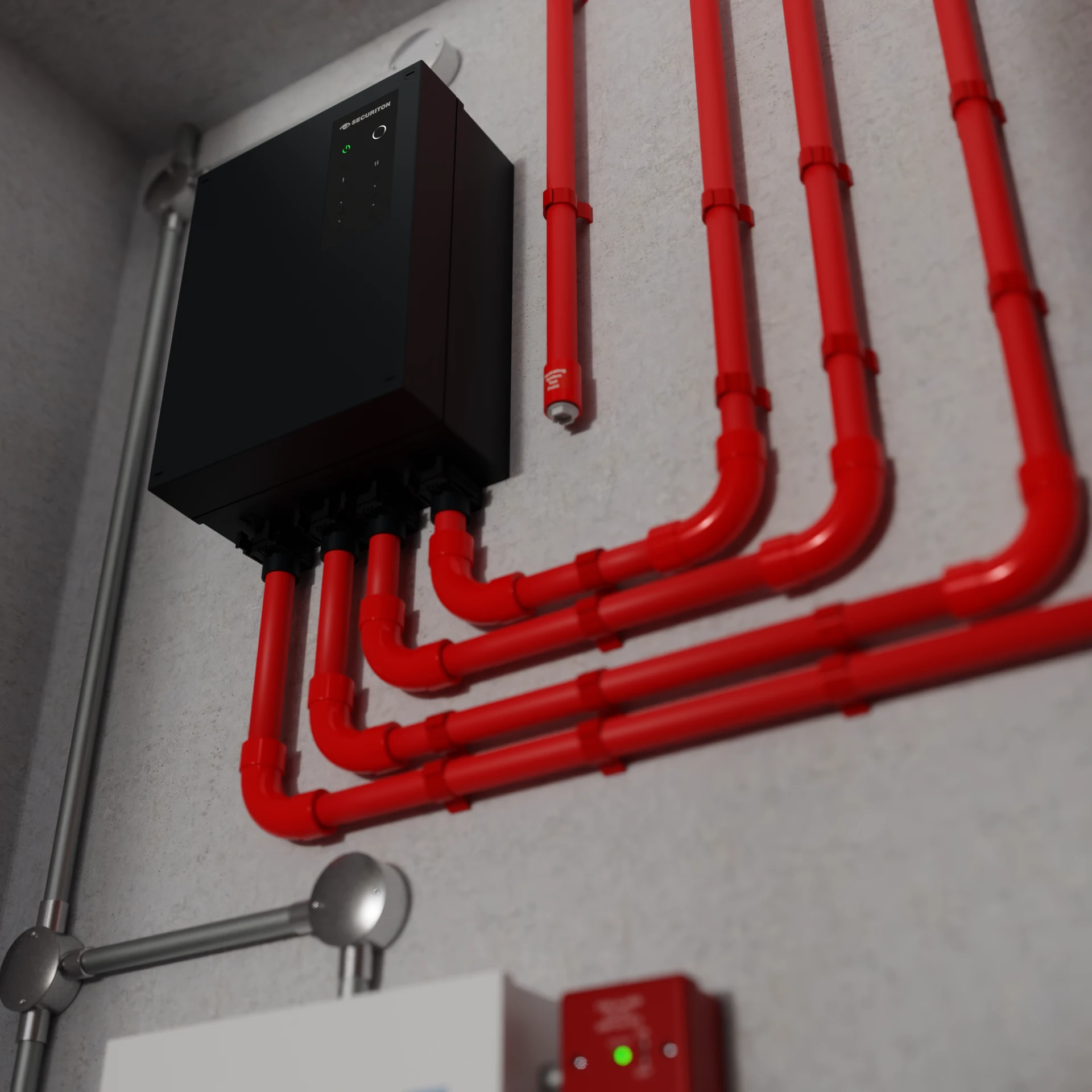
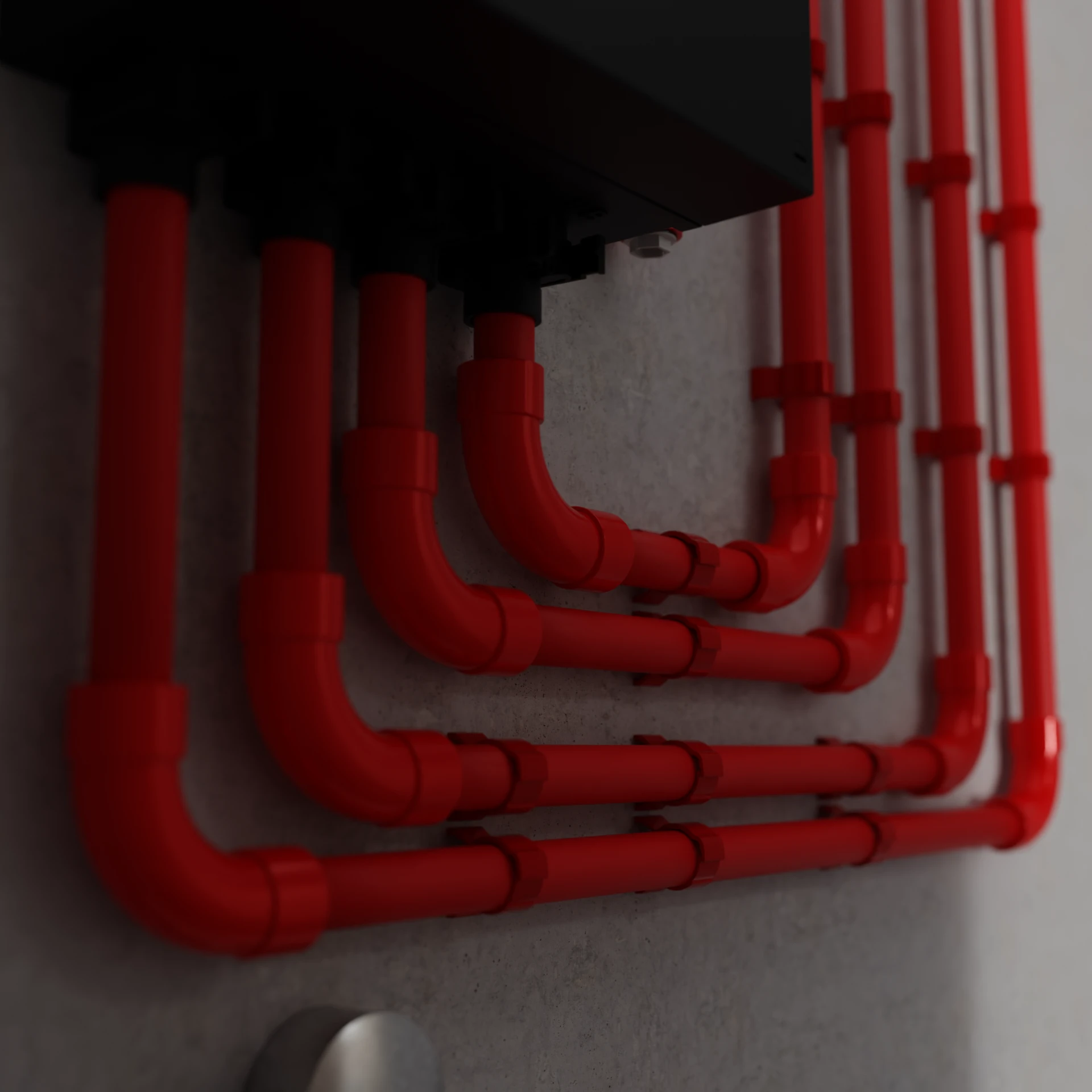
The SecuriSmoke ASD 2000 detector should be positioned in an accessible location that allows engineers to view status indicators and carry out routine checks without disrupting clinical activity. Plant rooms, service risers and dedicated fire control areas are typically well suited, keeping the detector close to protected zones while remaining outside patient-facing spaces.
Pipe & Fittings Placement
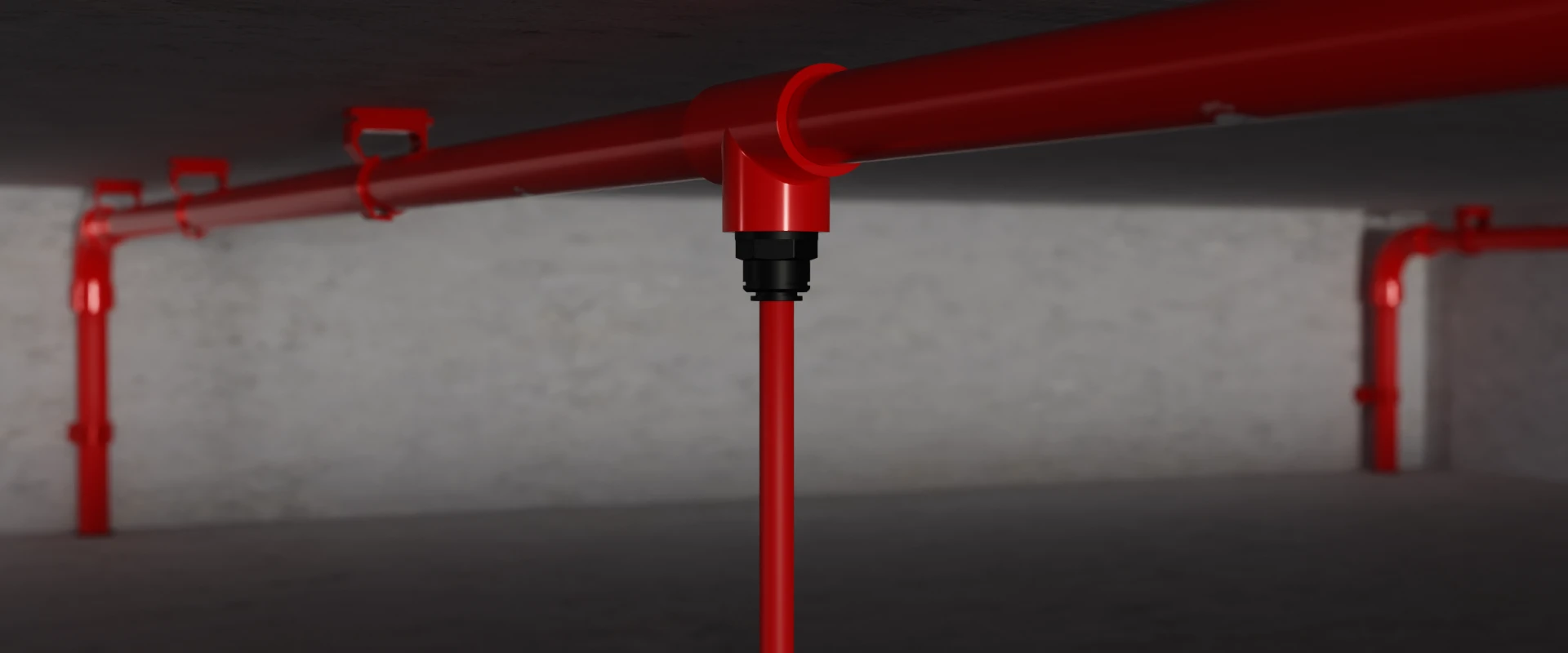
Sampling pipe networks should be designed to provide even coverage across wards, corridors and departments while accounting for hospital-specific factors such as ceiling voids, compartmentation and ventilation patterns. Careful routing can help minimise disruption to clinical areas during installation and reduce the need for future access into occupied spaces.
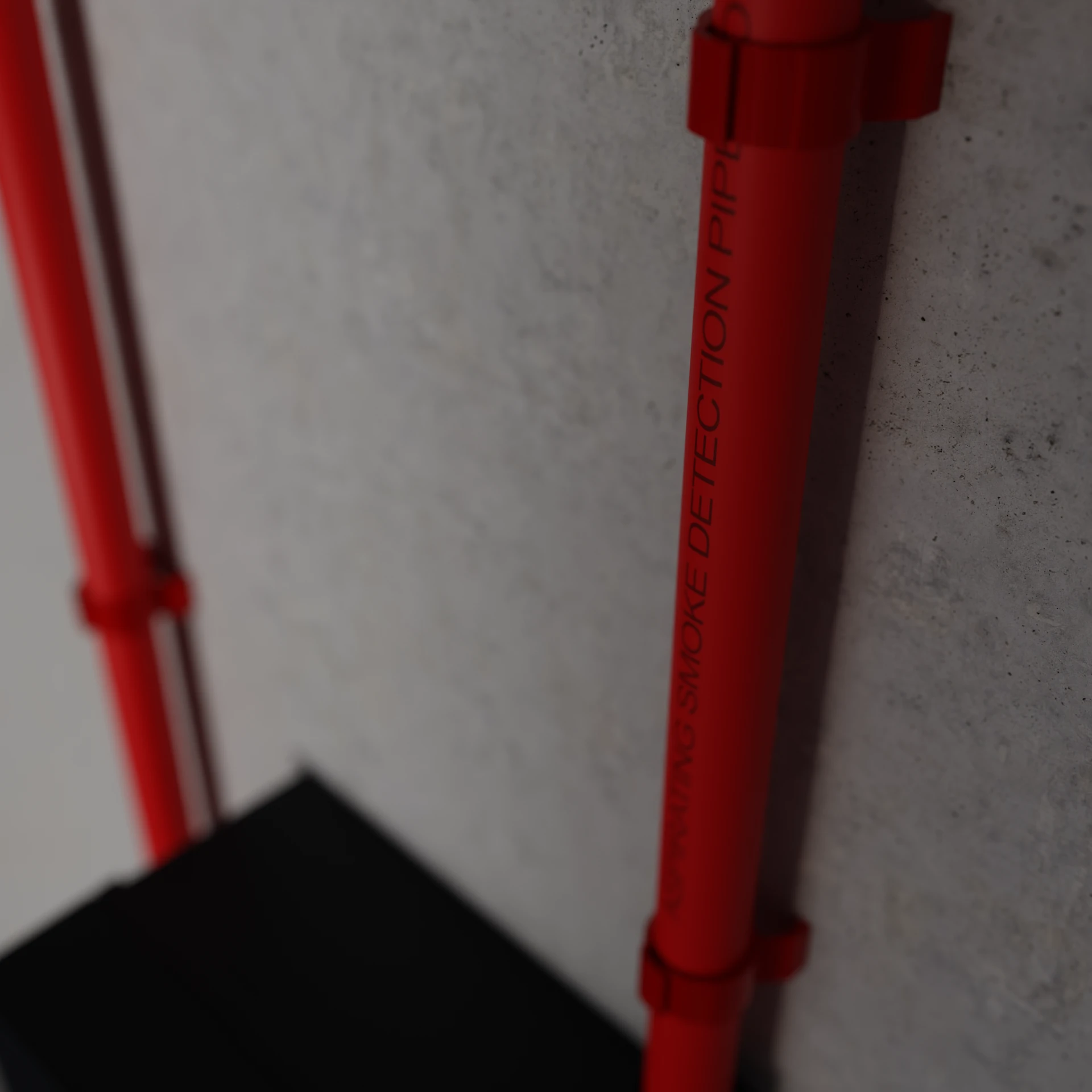
Low Level Maintenance
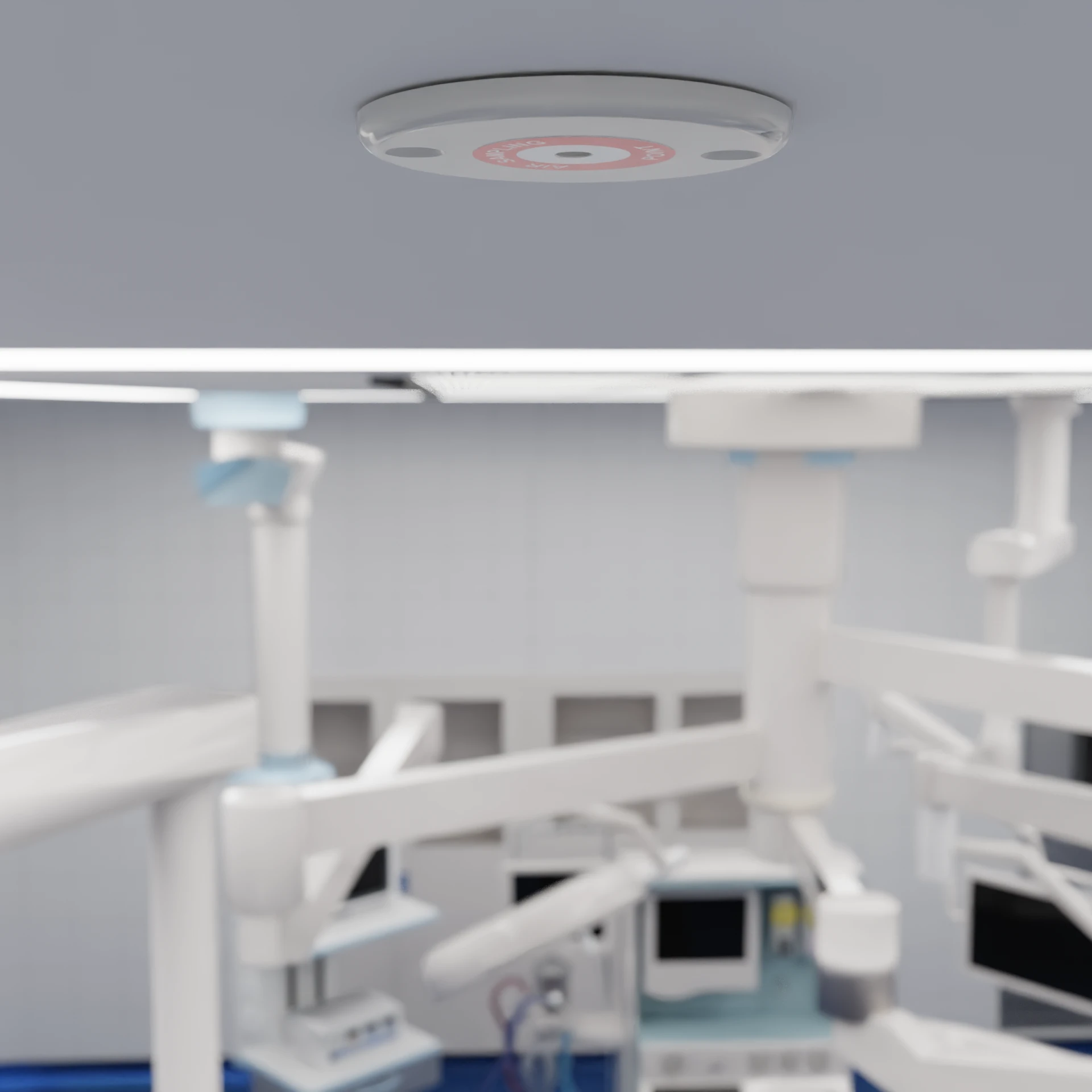
Sampling points and capillary connections allow air to be drawn from ceiling voids and other concealed areas without requiring extensive access into clinical spaces. Positioning sampling points to reflect ward layouts and airflow patterns helps ensure smoke is detected quickly regardless of where it originates.
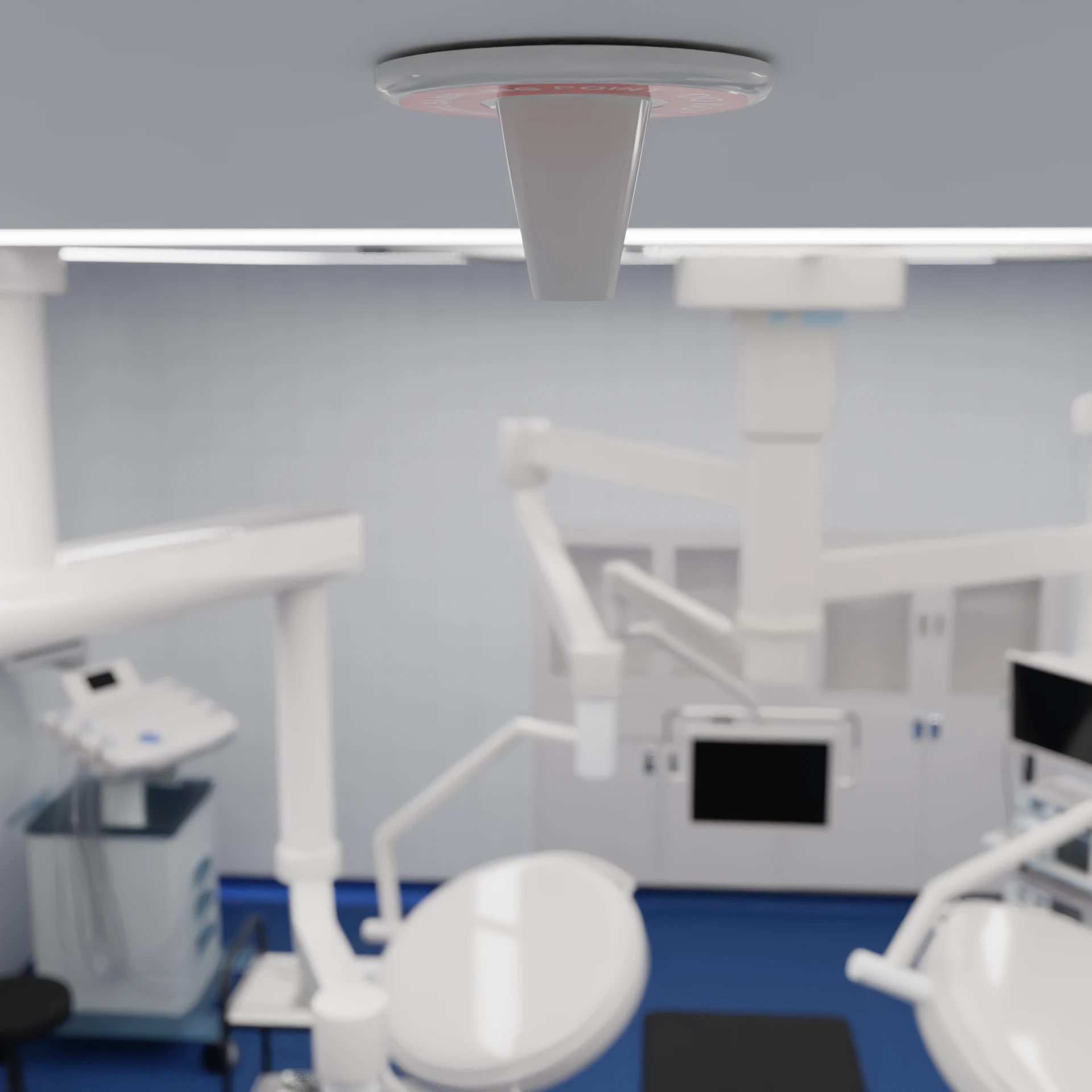
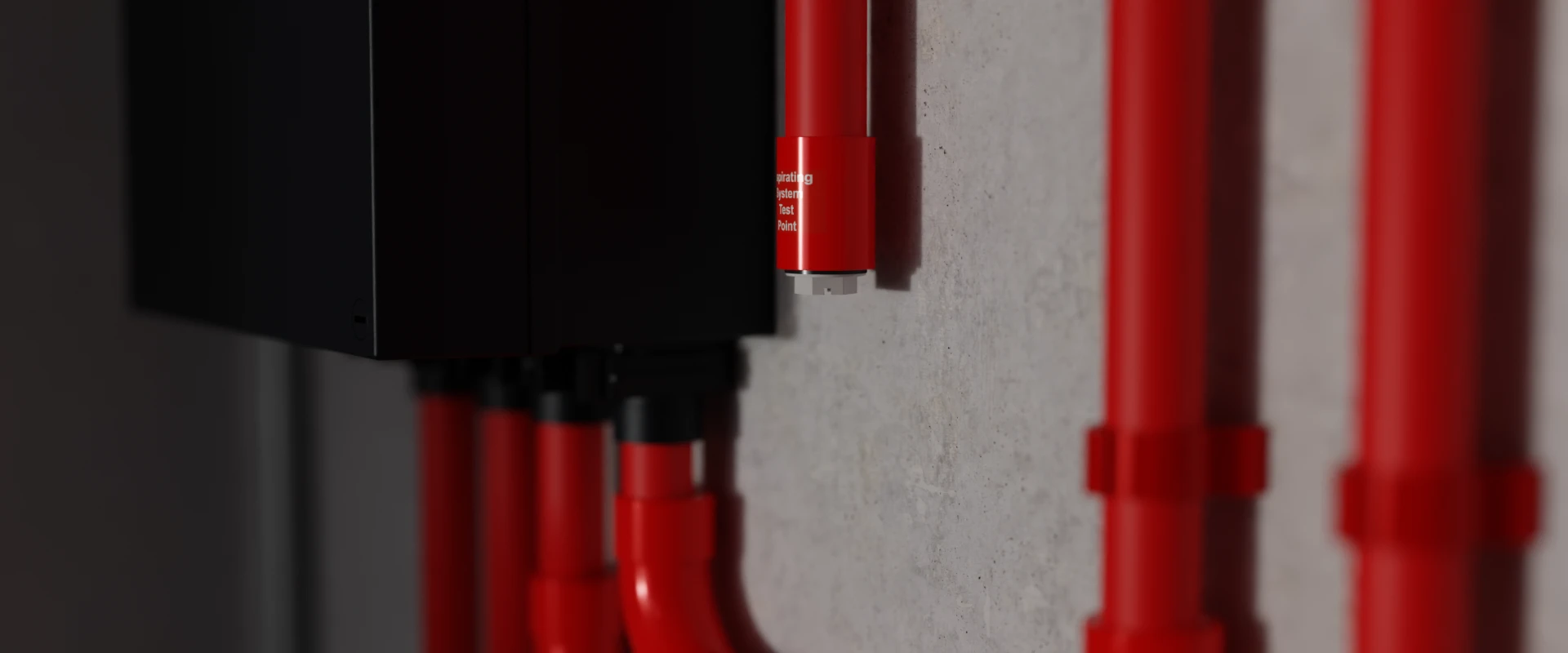
Dedicated test points allow engineers to introduce smoke into the pipe network safely during routine testing, without disturbing patients or requiring access to multiple sampling locations. Locating test points in accessible, non-clinical areas helps minimise disruption while supporting ongoing compliance with fire safety requirements.
Why Choose Eurofyre?
- Securiton Gold Partner
- Eurofyre’s Gold Partner status with Securiton reflects a proven level of commitment, product expertise and customer support across the full SecuriSmoke range.
- Complete System Supplier
- Eurofyre supplies all aspects of fire detection, allowing customers to source Securiton aspirating smoke detection alongside the wider range of products needed for a complete system.
- Pipework Design
- Eurofyre’s technical team provides professional design support for aspirating pipe networks, helping to achieve optimum system performance and a quality installation.
- Demonstration and Training
- Eurofyre offers demonstrations and expert training on Securiton systems from its sophisticated training facility.
- After-Sales Support
- Eurofyre provides on-site and telephone assistance to help ensure Securiton systems remain fully operational and performing at their best.
For more information on Securiton ASD 2000 Aspirating Smoke Detectors or to explore our full range of products, please contact us by phone on +44 (0) 1329 835 024, by email at [email protected], or via the enquiry form on our contact page.
Don’t forget you can follow us on LinkedIn, and Instagram or sign up to our newsletter (in the footer below) to receive all the latest information from Eurofyre.