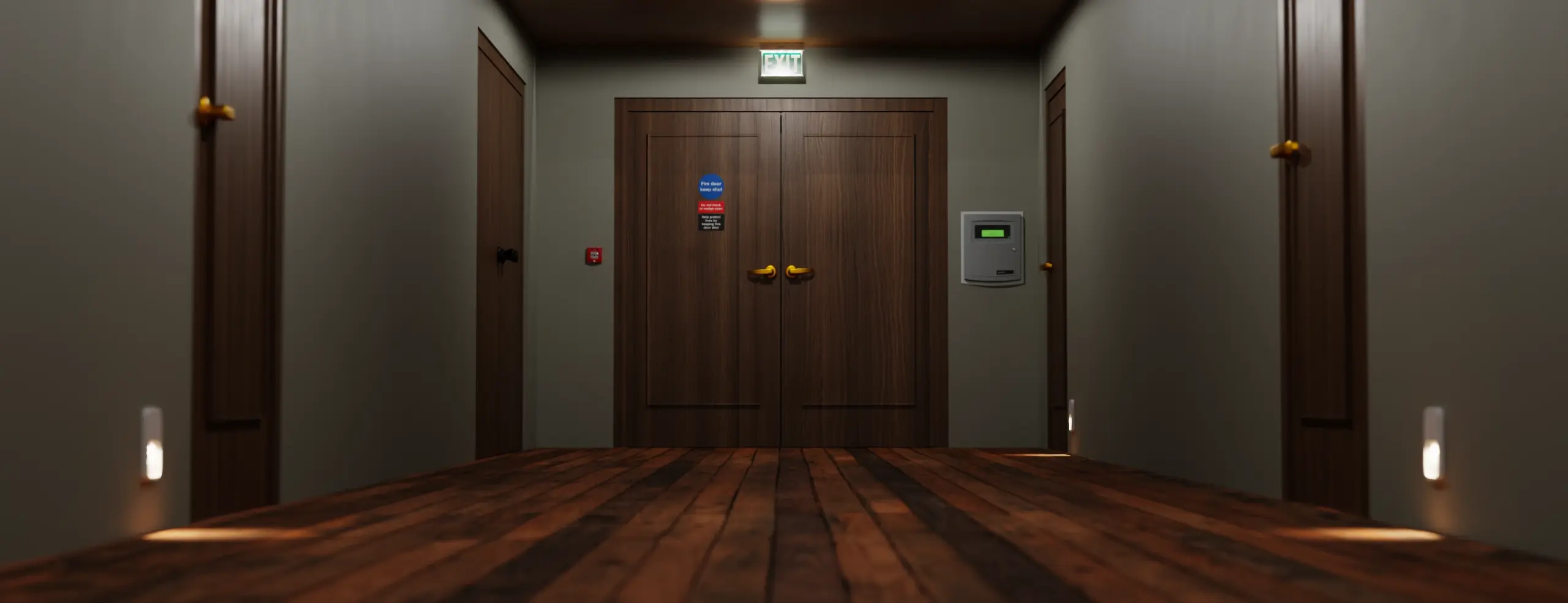
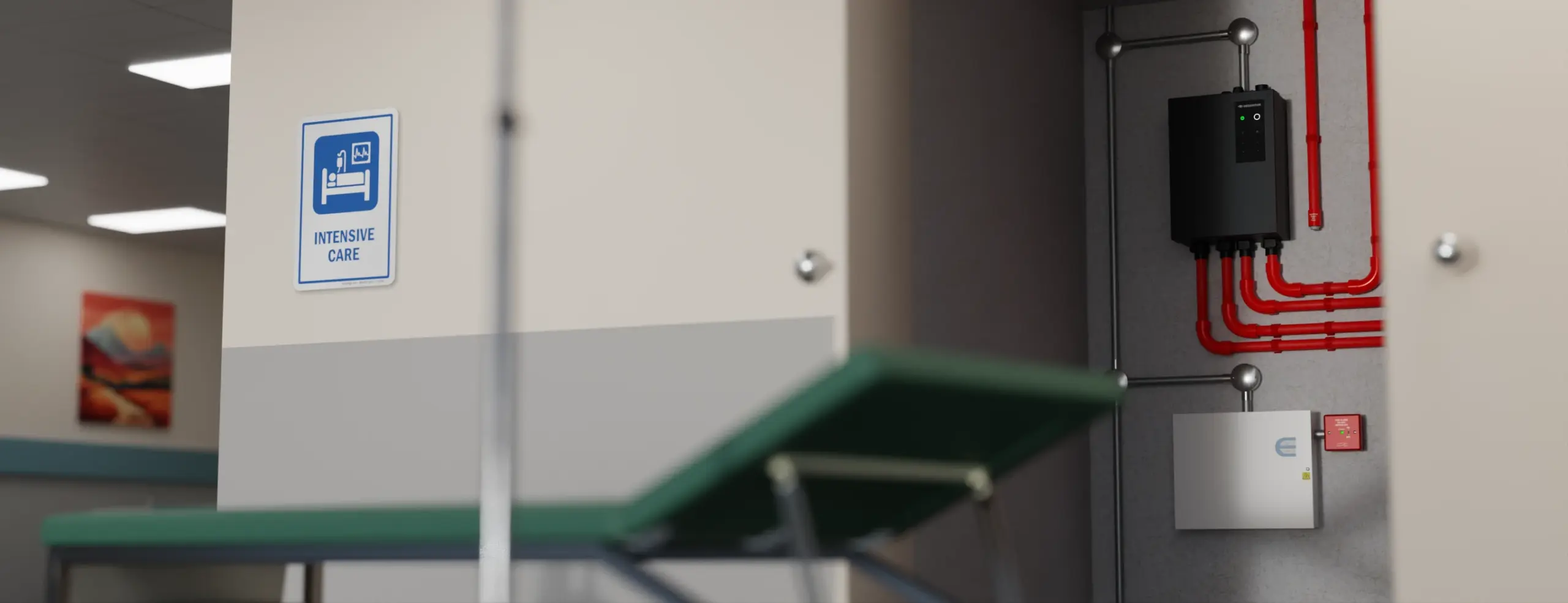
Student accommodation ranges from traditional university halls of residence to large purpose-built complexes operated by private providers. These buildings typically combine individual bedrooms or studio flats with shared kitchens, lounges, study areas and laundry facilities, and are occupied by large numbers of residents throughout the day and night.
Effective fire detection is essential in these environments, as occupants are often asleep when a fire starts, may be unfamiliar with the building early in the academic year, and live in close proximity to one another across multiple floors. A reliable system provides early warning to support safe evacuation, protects the building and its contents, and helps operators maintain continuity of accommodation for residents.
Risks
Student accommodation presents a number of fire risks, including:
- Cooking
- Unattended cooking and the misuse of kitchen appliances in shared kitchens are a common cause of fires in residential buildings.
- Electrical Devices and Overloading
- Laptops, phone chargers, hair straighteners and extension leads are used heavily in bedrooms, and overloaded sockets or damaged cables can lead to overheating.
- Lithium-Ion Batteries
- E-bikes, e-scooters and power banks charged within bedrooms or corridors can pose a risk of thermal runaway if damaged or charged with unsuitable equipment.
- Smoking and Naked Flames
- Careless disposal of smoking materials and the use of candles or incense in bedrooms can ignite bedding, clothing and furnishings.
- Portable Heaters
- Heaters placed too close to furniture or soft furnishings, or left running unattended, can cause nearby materials to ignite.
Challenges
Designing a fire detection system for student accommodation presents several challenges, including:
- Unwanted Alarms
- Cooking fumes, steam from showers and aerosols can trigger detectors, and repeated unwanted alarms can lead to resident complacency, disruption and call-outs from the fire and rescue service.
- Detector Tampering
- Residents may cover or disable detectors in bedrooms and kitchens, leaving areas unprotected without the building operator being aware.
- Constant Occupancy
- Buildings are occupied around the clock for most of the year, so installation, testing and maintenance must be carefully scheduled to minimise disruption to residents.
- Large and Multi-Building Sites
- Many developments span several floors or separate blocks, requiring systems that can provide consistent coverage and centralised monitoring across the whole site.
- Cause-and-Effect Complexity
- Evacuation strategies may vary between blocks, floors and flats, requiring flexible programming to control alarms, door releases and other building systems appropriately.
Managed Protocol Addressable Fire Detection
In an addressable fire detection system, each device on the loop has a unique address, allowing the control panel to identify the exact location of an alarm or fault. A managed protocol system takes this further by using a proprietary communication protocol, with equipment supplied only through a network of approved, trained and certified integrators.
This approach helps to ensure that systems are designed, installed and maintained by competent engineers with specific product knowledge. For building owners and operators, managed protocol systems can offer greater confidence in installation quality, consistent long-term support and continuity of service throughout the life of the system.
SMS SenTRI

SMS, part of Honeywell, is a UK-based provider of fire detection and alarm products with over 25 years of experience. The SenTRI range is a managed protocol addressable system available through a network of approved, trained and certified companies, and is suitable for buildings of all sizes, from small single-loop installations to large networked systems.
SenTRI sensors use true analogue sensing technology with adjustable sensitivity states, which helps to reduce unwanted alarms in challenging areas such as kitchens and shared living spaces. Sensors are available with integrated sounders and visual alarm devices (VADs), reducing the number of devices required and eliminating the need for additional wiring or power supplies. All devices also incorporate loop isolators, enabling faults to be identified quickly and contained.
The SenTRI 2 control panel supports single or dual-loop configurations, with up to 200 devices per loop and high loop power of 42V at 800mA, allowing power-intensive devices such as VADs to be installed on the loop with fewer loops required overall. Panels can be networked with up to 31 other control panels, providing event sharing, global cause-and-effect programming and centralised monitoring across multi-block student developments. Flexible programmable controls and calendar-based functions also allow site-specific actions, such as sounder isolation or test modes, to be configured to suit the building’s management arrangements. The SenTRI range is also backwards compatible with predecessor systems in the SMS portfolio.
Approvals



The SenTRI range carries full third-party certification from the Loss Prevention Certification Board (LPCB) to EN54 standards, alongside CE and UKCA marking. The SenTRI 2 control panel complies with EN54 Parts 2 and 4, while sensors with integrated sounders and VADs are certified to EN54 Parts 3 and 23. SenTRI products are manufactured in an ISO 9001:2008 accredited facility.
Design Considerations
Control Panel and Repeater Panel Placement
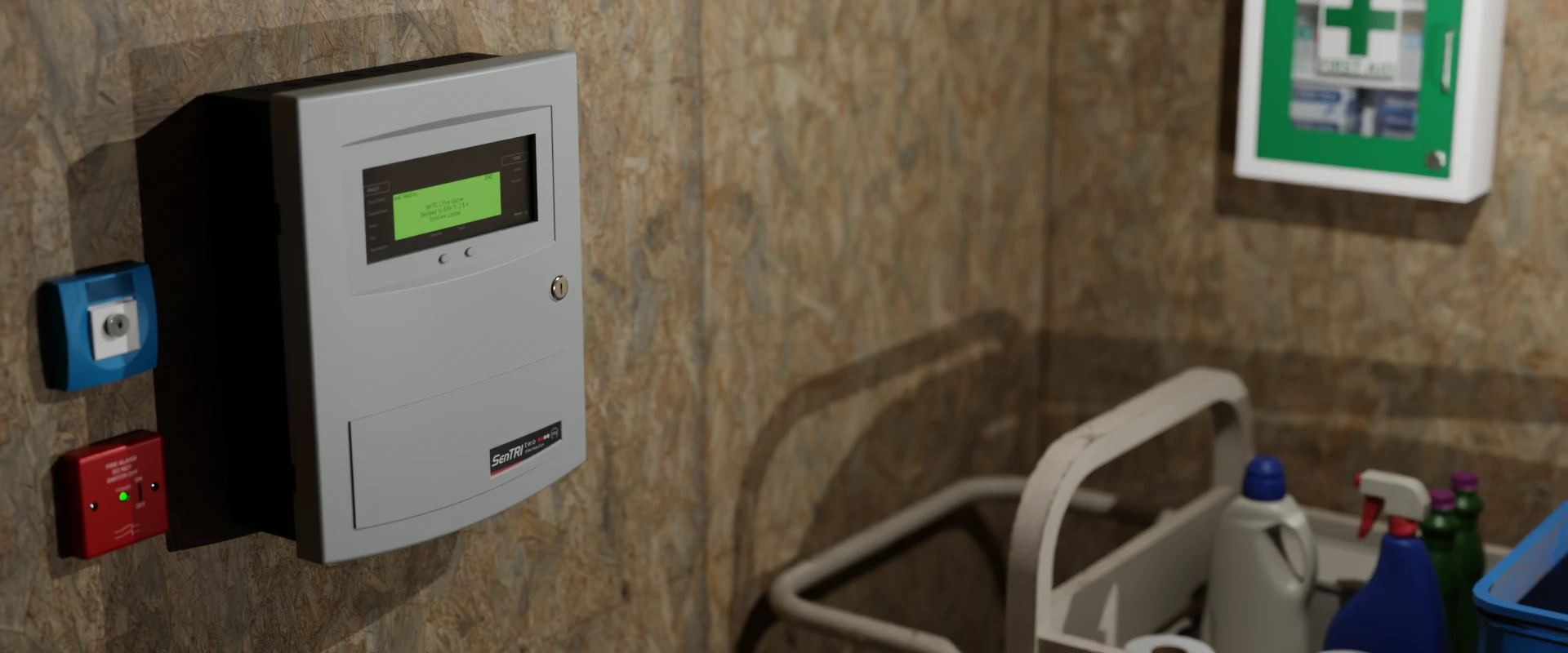
The SenTRI 2 control panel should be installed at a location agreed with the fire and rescue service, typically close to the main entrance or fire service access point, where it can be quickly viewed on arrival. In student accommodation, the panel should be positioned in a staff-controlled area, such as a reception or management office, to prevent tampering by residents while remaining accessible to authorised personnel. A semi-flush bezel kit is available where a neater, low-profile installation is preferred.
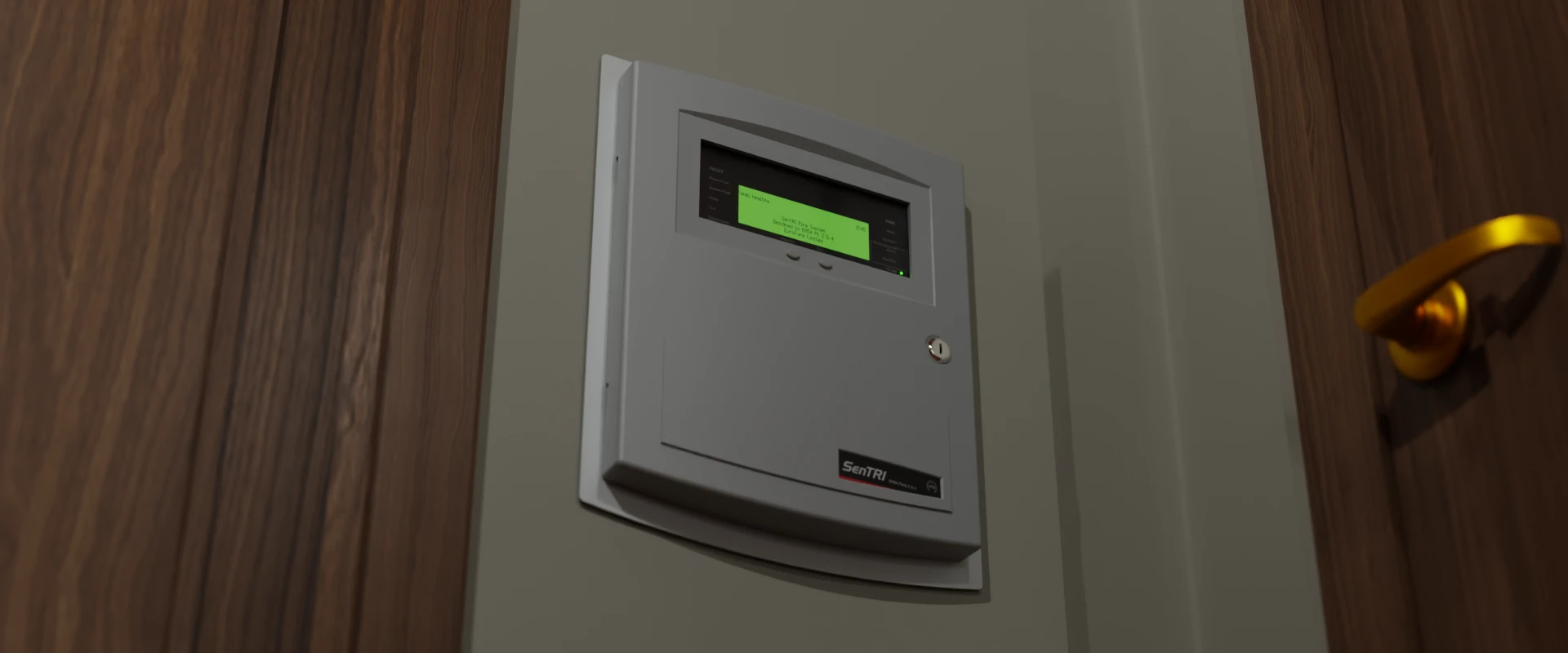
SenTRI repeater panels replicate the full display and control functions of the main panel, allowing system status to be monitored and events acknowledged from additional locations. Repeaters are typically installed at secondary entrances, separate block entrances or security lodges on multi-building sites. As they are loop-wired, with up to four repeat and mimic panels per loop, they can be powered and communicate via the existing detection loop without separate power supplies or data cabling. Configurable access levels help to ensure that controls are only available to authorised staff.
Input/Output Module Placement
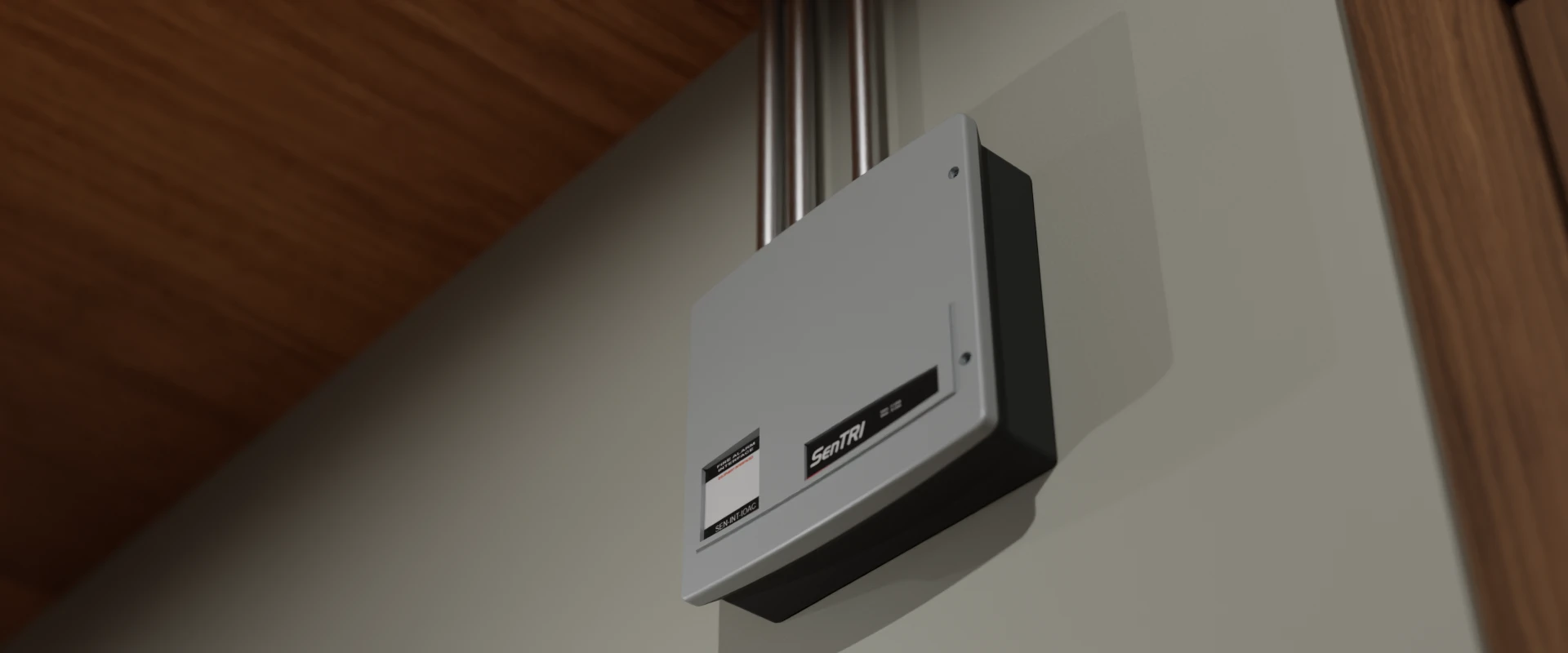
SenTRI input/output modules allow the fire alarm system to monitor and control other building systems as part of the cause-and-effect strategy. In student accommodation, they are commonly used to release magnetic door holders, return lifts to ground level, shut down ventilation systems and interface with access control. Modules should be located close to the equipment they control, in accessible positions such as plant rooms, riser cupboards or above doors, and away from resident areas where they could be tampered with. Single and 4-way versions, including mains-rated options, provide flexibility to suit the number and type of interfaces required.
Sensor Placement
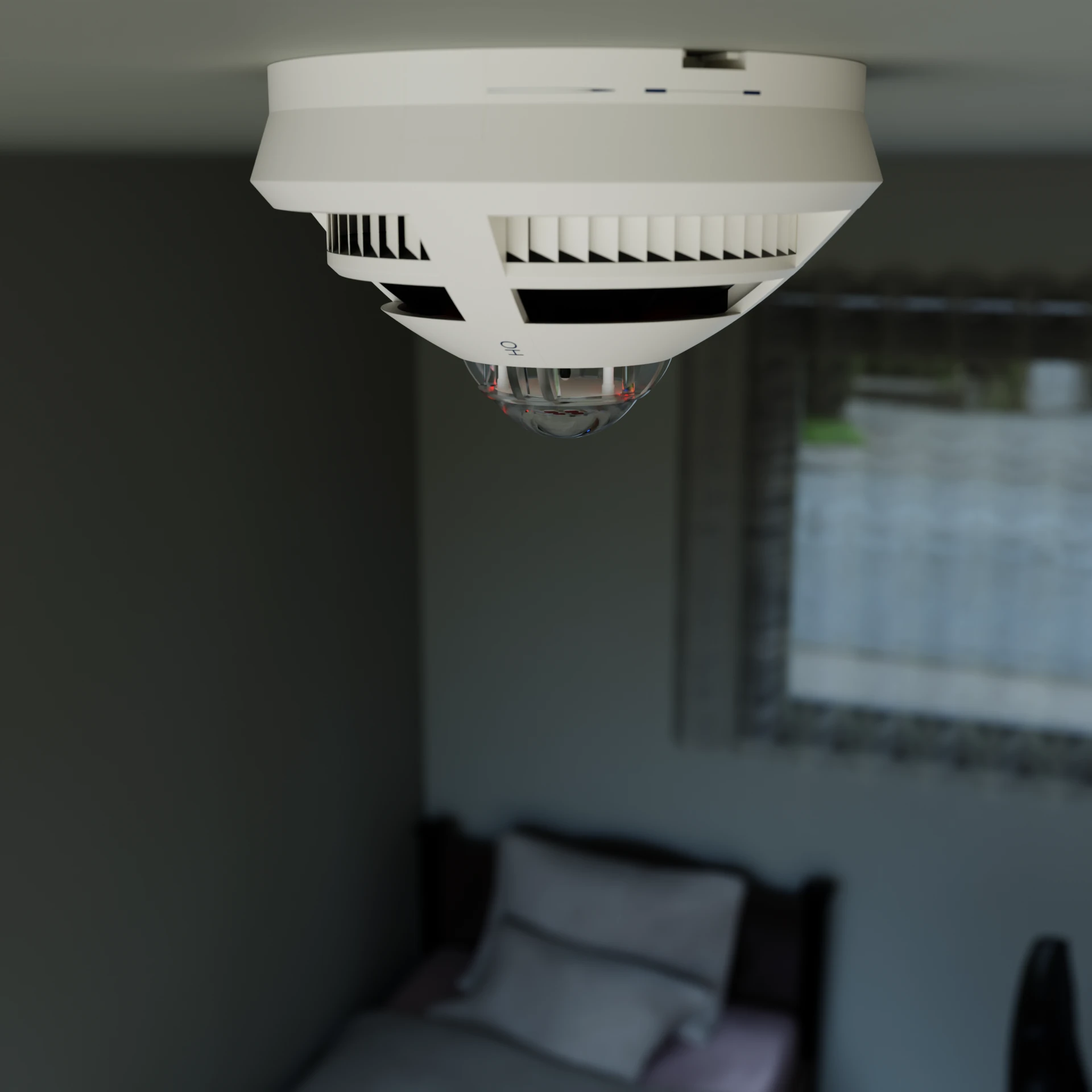
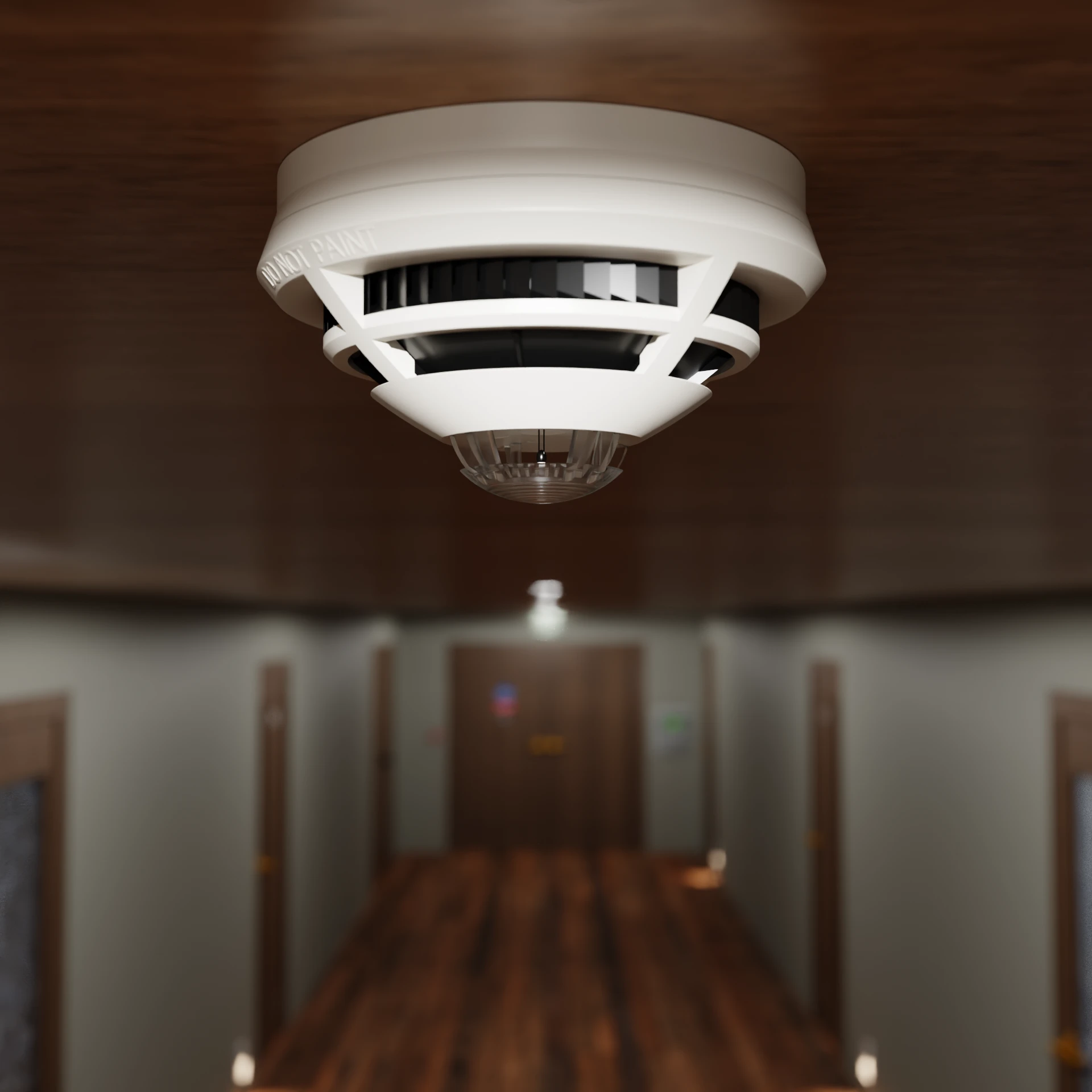
Sensors should be installed in bedrooms, corridors, communal areas and escape routes in line with the building’s fire strategy and applicable standards. Optical heat sensors are well suited to bedrooms and corridors, where they can identify both smouldering and flaming fires, while heat sensors are generally preferred in kitchens and kitchenettes to reduce unwanted alarms from cooking. Sensors should be positioned away from bathroom doors, ventilation outlets and cooking appliances, where steam or air movement could affect performance. Using sensors with integrated sounders and VADs in bedrooms helps to ensure occupants are alerted promptly, even when asleep.
Sounder and VAD Placement
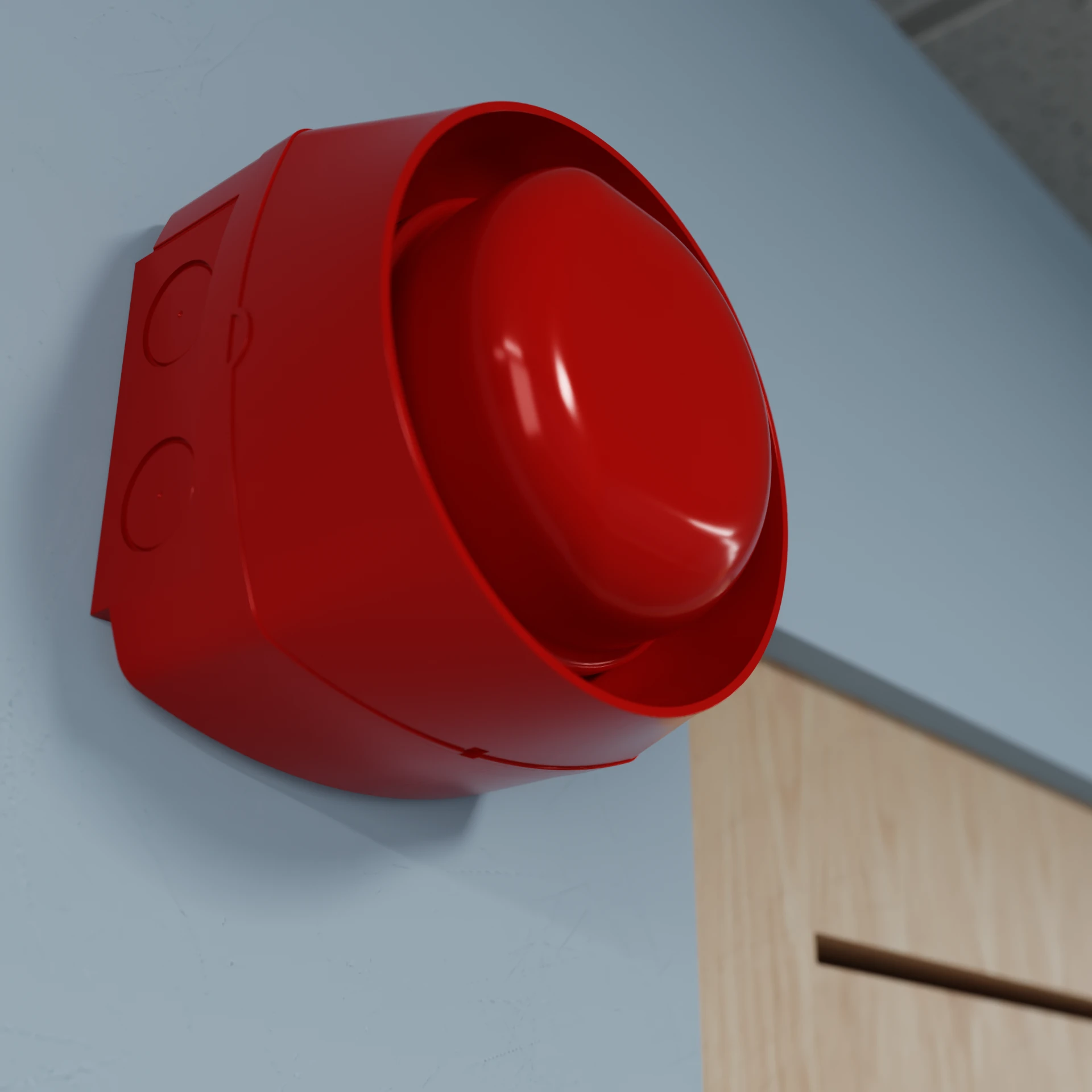
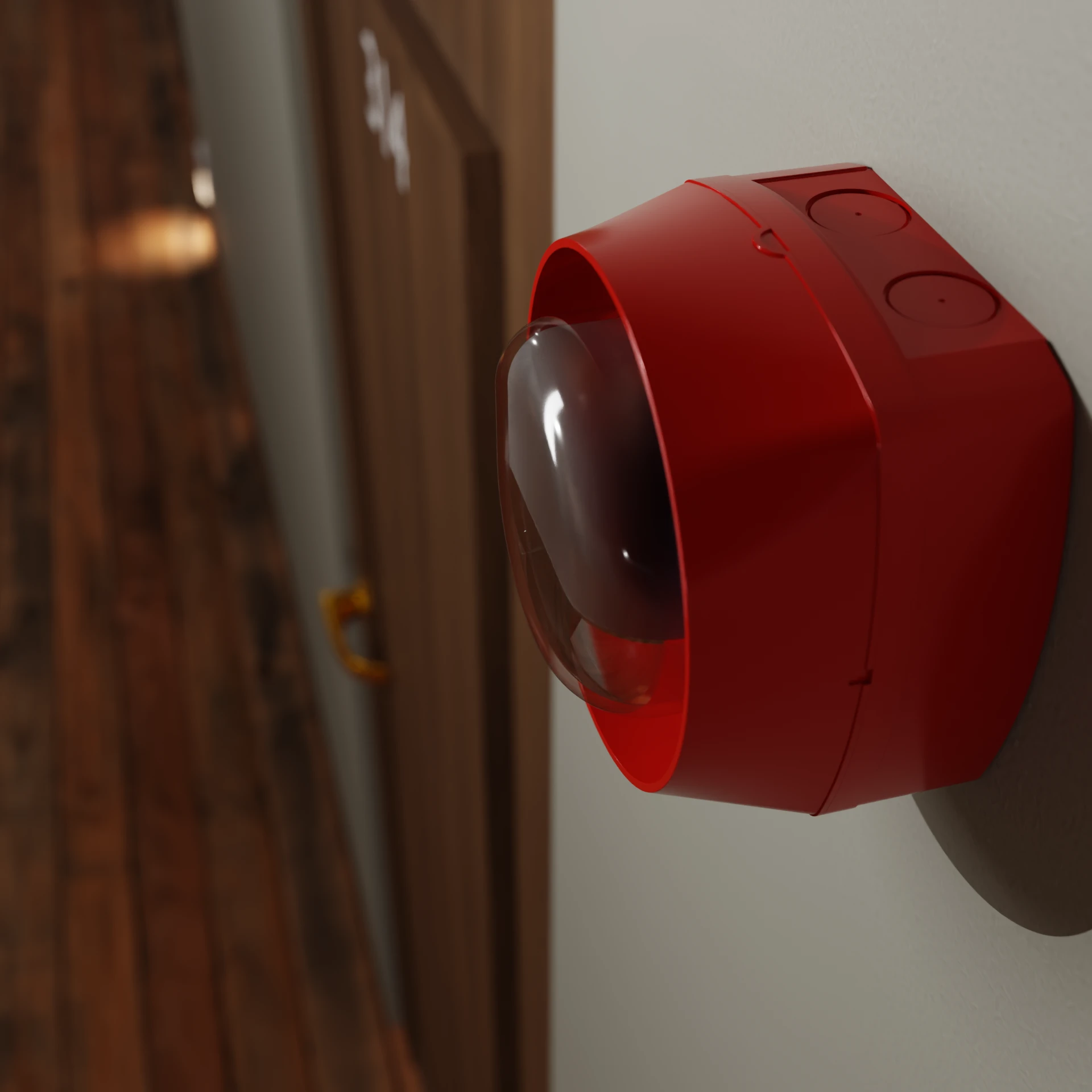
Sounders and VADs should be positioned to provide clear, consistent alarm coverage throughout all occupied areas, including bedrooms, corridors, stairwells and communal spaces. Sounders are typically mounted on solid walls, away from corners or doors where sound may be obstructed, while VADs should be clearly visible to support occupants with hearing impairments and those in areas with high background noise. IP66-rated sounders and sounder VADs are available for external areas such as courtyards, bin stores and bike stores.
Manual Call Point Placement
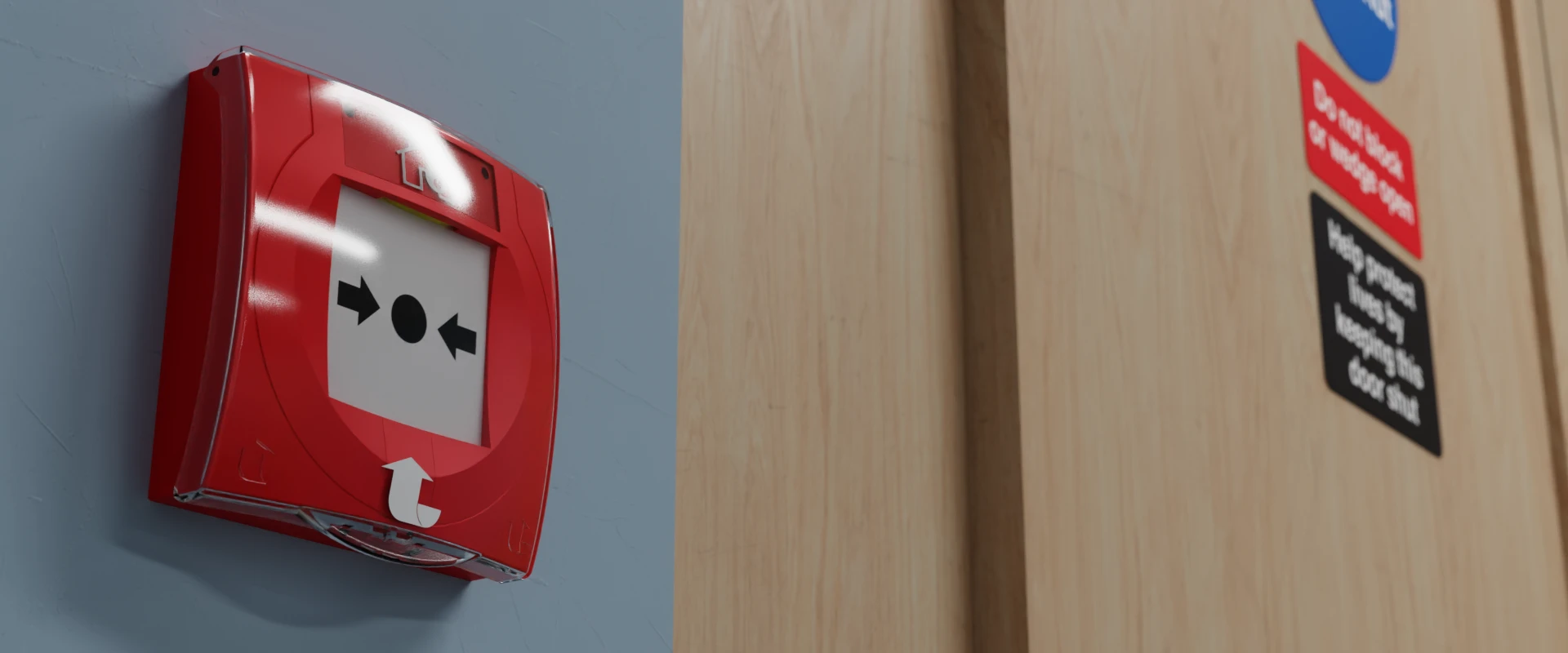
Manual call points (MCPs) should be installed on escape routes, at storey exits and at final exits, where occupants can reach them quickly in an emergency. They should be clearly visible, unobstructed and mounted at a consistent height throughout the building. In student accommodation, MCPs with clear covers can help to reduce accidental or malicious activations, while IP67-rated call points are available for external escape routes.
Why Choose Eurofyre?
- Diamond Partner
- As Honeywell’s Diamond Partner and sole authorised distributor for SMS products in the UK and Ireland, Eurofyre provides direct access to genuine SMS SenTRI products, technical assistance and training. Find out what our Diamond Partnership means for your business.
- Complete System Supplier
- Eurofyre supplies all aspects of fire detection and its associated safety products, including SMS SenTRI Addressable Fire Detection, and can provide expert advice and consultation.
- Demonstration and Training
- Eurofyre offers demonstrations and expert training on a range of systems, including SMS SenTRI Addressable Fire Detection, in its own sophisticated training facility.
- After-Sales Support
- Eurofyre offers both on-site and telephone support to assist in ensuring that systems remain fully functional and operating at maximum efficiency.
For more information about SMS SenTRI Addressable Fire Detection, or to discuss any of the other products that Eurofyre have to offer, please feel free to get in touch either by phone on +44 (0) 1329 835 024, by email to [email protected] or via the online enquiry form situated on our contact page.
Don’t forget you can follow us on LinkedIn, and Instagram or sign up to our newsletter (in the footer below) to receive all the latest information from Eurofyre.