Warehouses and logistics centres form a vital part of the modern supply chain, storing and moving everything from raw materials and manufactured components to retail stock and parcels awaiting dispatch. These facilities range from single-unit storage buildings to large distribution hubs with high-bay racking, automated handling systems and round-the-clock operations.
Because of the volume and variety of goods held on site, a fire within a warehouse can spread quickly and cause extensive damage to stock, equipment and the building itself. Beyond the immediate risk to occupants, a serious incident can interrupt supply chains, delay customer orders and affect business continuity for weeks or months. Reliable fire detection that provides early warning across the entire protected area is therefore an essential part of any warehouse fire safety strategy.
Risks
Warehouses and logistics centres face a number of fire risks, including:
- Electrical Faults
- Faulty wiring, overloaded circuits and damaged equipment can create ignition sources, particularly where infrastructure is ageing or poorly maintained.
- Combustible Packaging
- Cardboard, plastic wrapping and pallets are present in large quantities and can contribute to rapid fire spread once ignition has occurred.
- Flammable Liquids
- Oils, solvents and chemicals that are improperly stored or handled can increase the potential for fast-developing fires.
- Combustible Dust
- Dust from stored wood, plastics or other materials can build up on surfaces and within ventilation systems, creating an additional fire hazard.
- Hot Work
- Welding, cutting and soldering carried out during maintenance or repairs can ignite nearby materials if not properly controlled.
- Heating Equipment
- Poorly maintained or badly positioned heaters can present an ignition risk, particularly where they are located close to stored goods.
Challenges
Designing an effective fire detection system for warehouses and logistics centres presents several challenges, including:
- Large Open Spaces
- Warehouses often combine high ceilings with extensive floor areas, which can require a large number of conventional point detectors to achieve full coverage.
- Racking and Obstructions
- Racking, shelving and stored goods can obstruct smoke movement and line of sight, potentially creating areas where detection is less effective.
- Environmental Conditions
- Dust, humidity, temperature changes and airflow from loading bay doors can affect detector performance and may lead to unwanted alarms.
- Changing Stock Profiles
- Stored materials and racking layouts can change over time, which can alter fire loads and the way smoke travels through the building.
- Maintenance Access
- Testing and servicing detectors at height can require specialist access equipment, increasing maintenance time and disruption to operations.
Fire Beam BLUE Beam Detection
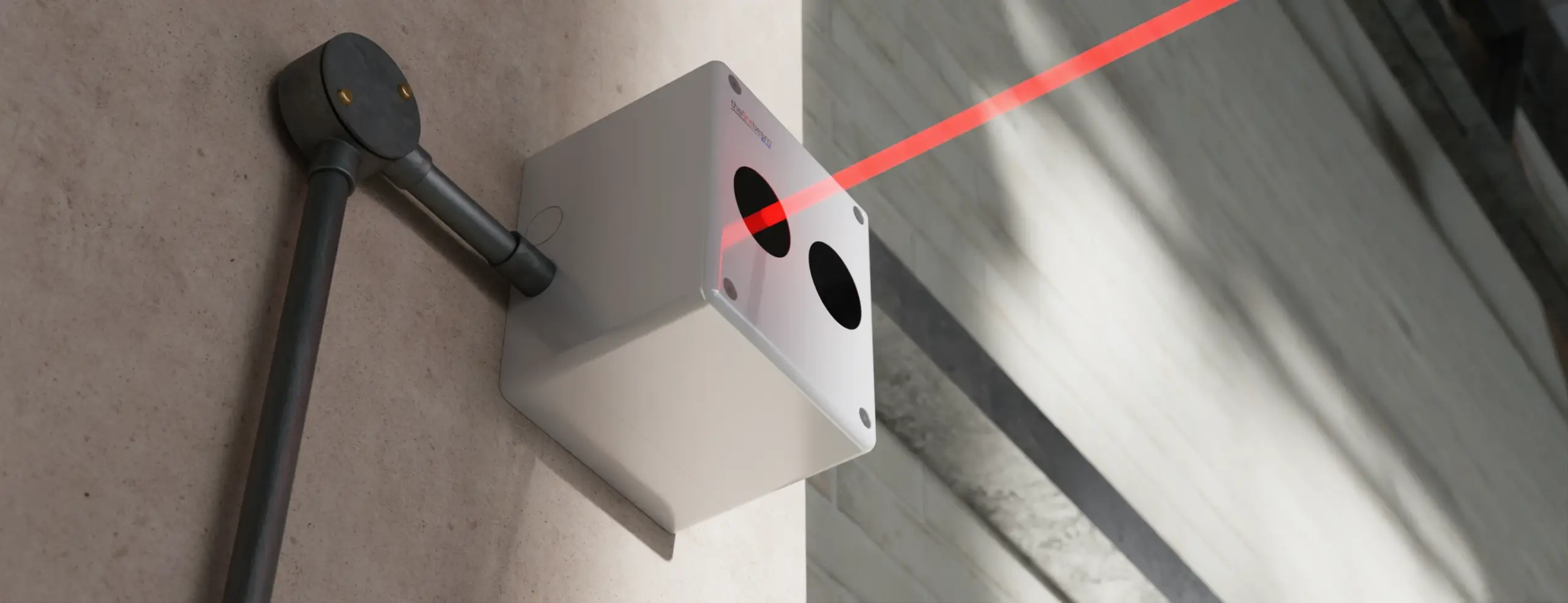
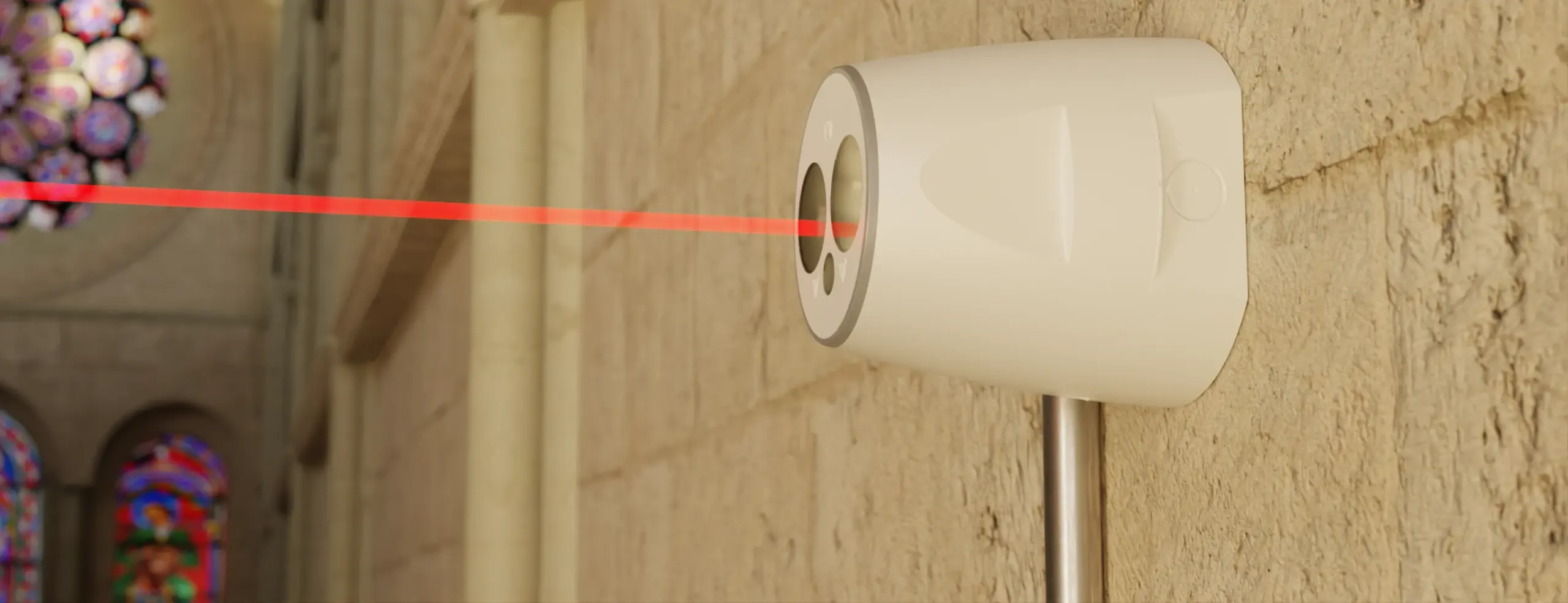
The Fire Beam BLUE is a reflective optical beam smoke detector made up of two key components: the Fire Beam Head and the Fire Beam Reflector. The head projects an infrared beam across the protected area to the reflector, which returns the signal to the head. When smoke enters the beam path and obscures the returning signal, the detector registers a fire condition.
Fire Beam BLUE offers all of the features of the Fire Beam Xtra, but rather than using a physical controller, it is commissioned and controlled via Bluetooth using the Fire Beam BLUE app. This allows the system to be set up and adjusted from ground level, which can be particularly beneficial in high-ceiling warehouse environments.
Fire Beam BLUE’s most distinguished features include:
- Self-Aligning
- Auto-alignment centres the beam on the reflector in a little over three minutes and maintains alignment should the building move.
- Automatic Drift Compensation helps to ensure continued accuracy as the detector is affected by contamination over time.
- Set-up, alignment and adjustment of parameters are carried out through the Fire Beam BLUE app, with support for seven languages.
Distance
Fire Beam BLUE can operate at distances of 7 to 70 metres as standard, with optional reflector extension kits allowing coverage of up to 160 metres from a single detector.
The standard Fire Beam BLUE kit is suitable for distances of 7 to 70 metres using the single reflector supplied. The kit comes complete with the head unit, a single reflector, a user manual and a 3mm allen key.
For distances between 70 and 140 metres, the mid-range extension kit can be used. This kit is supplied with a backing plate and three additional reflectors, with the reflector from the standard kit added to the plate.
For distances between 140 and 160 metres, the long-range extension kit is available. This kit includes a backing plate and eight additional reflectors, again with the standard reflector added, allowing a single detector to protect particularly long warehouse spans.
The App
The Fire Beam BLUE app connects to the detector via Bluetooth and acts as the installer’s interface for the system. It allows the beam to be commissioned and aligned quickly, and enables parameters such as time to fire and fault to be adjusted. The app can also be used for maintenance and fire testing, while the home screen displays the beam name, current status and air quality, providing real-time information on the condition of the protected area.


Design Considerations
Detector Placement
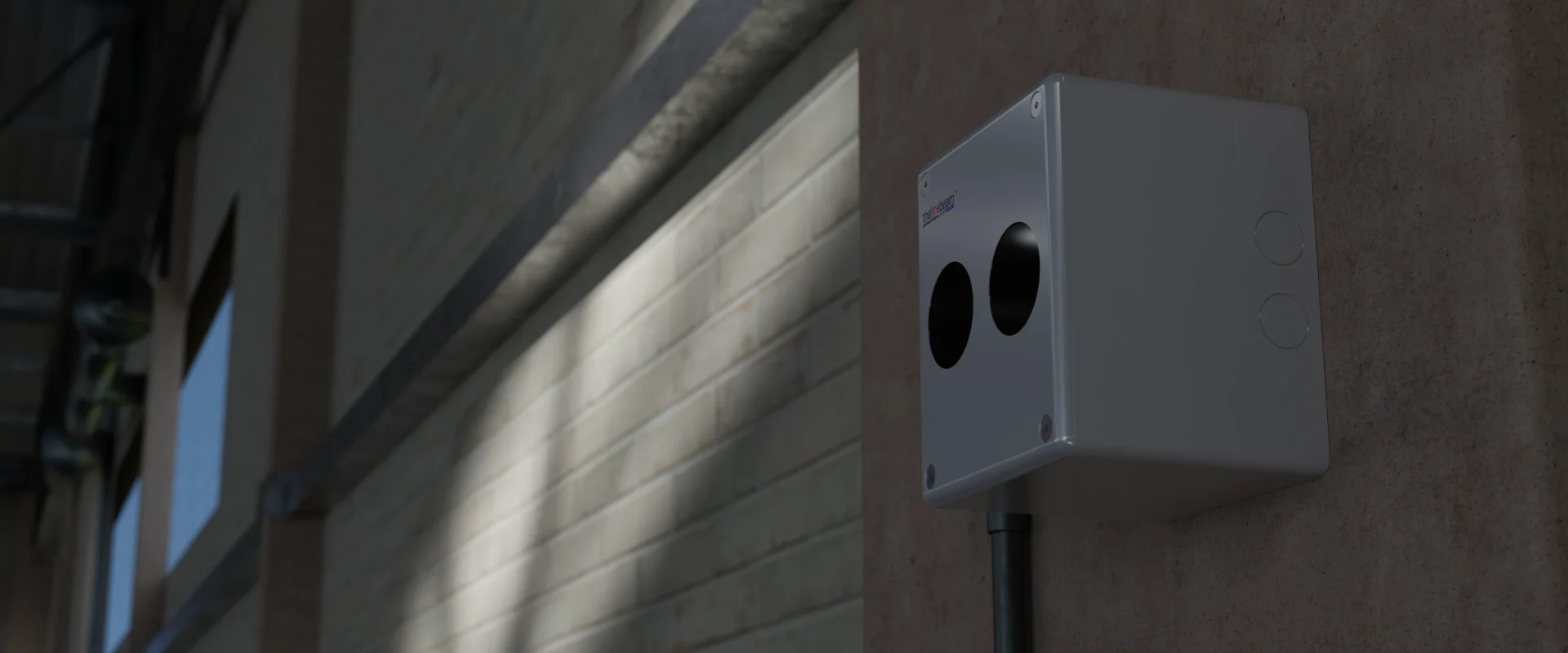
Fire Beam BLUE detectors should be mounted at high level on a solid, stable surface to maximise smoke interception across the protected area. Detector positions should take account of roof geometry, racking heights and airflow patterns, ensuring that the beam path remains clear of stored goods, lighting and moving equipment such as forklift masts. Beam positioning and spacing should follow applicable standards and manufacturer guidance.
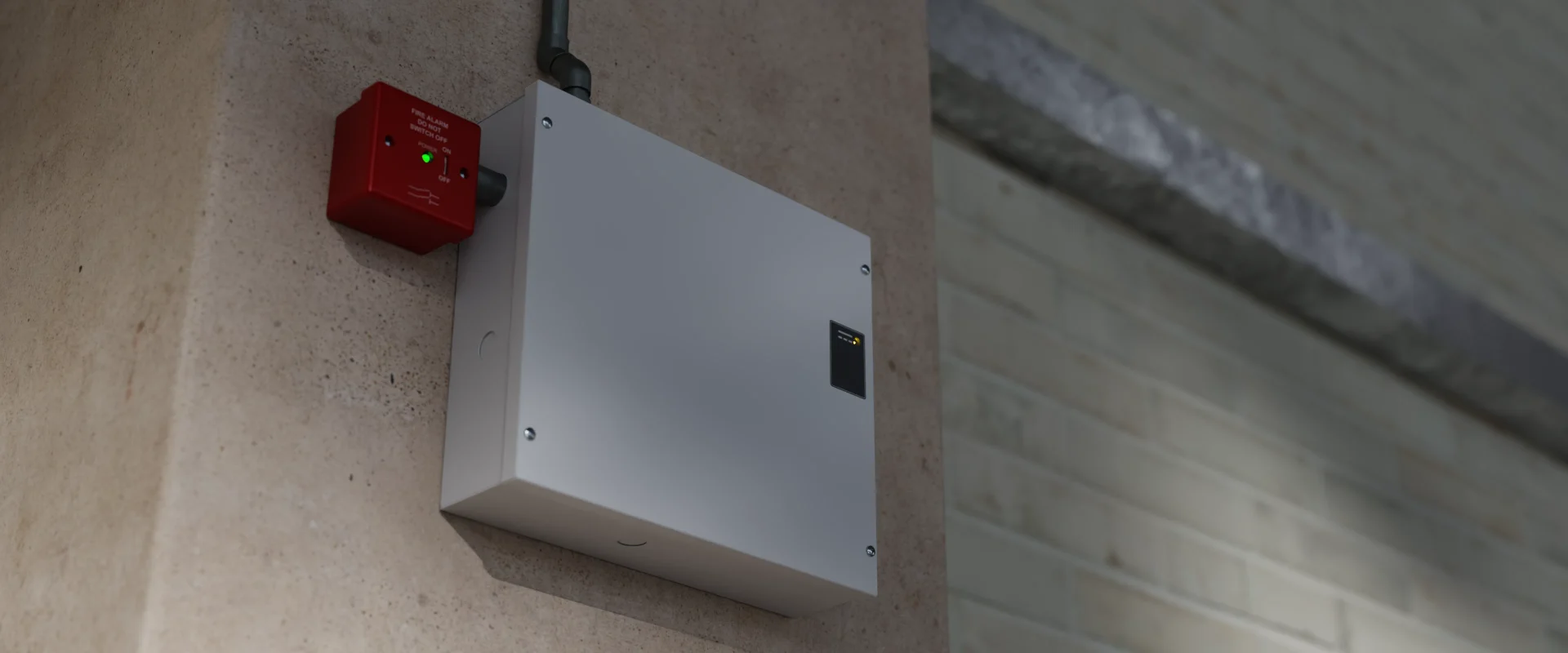
The detector operates from a 24V DC supply. Where a local power source is required, for example on long cable runs or where the fire alarm control panel cannot provide sufficient power, a Dycon power supply unit can be installed alongside the detector to provide a dedicated and monitored supply.
Reflector Placement
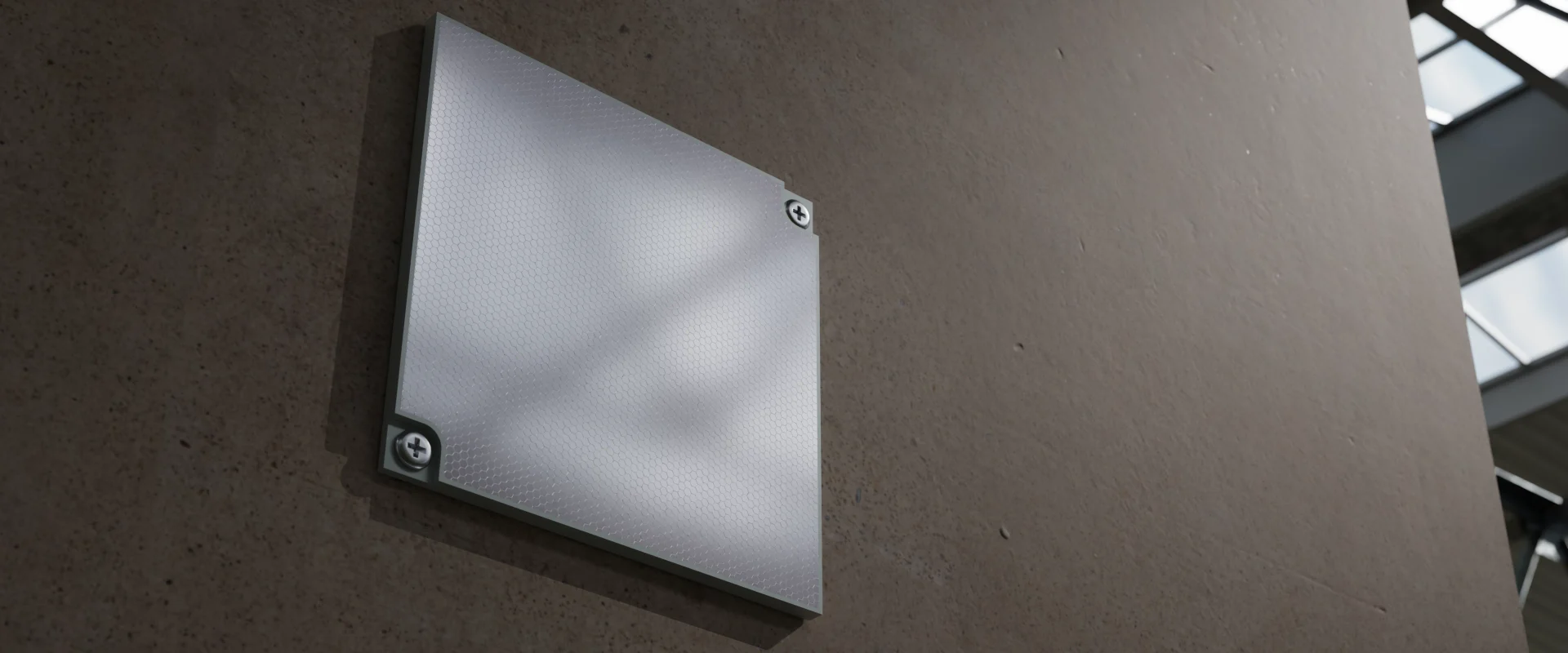
Reflectors should be mounted directly opposite the detector head, with a clear and unobstructed line of sight along the full beam path. Correct positioning is essential for reliable operation and accurate alignment, so reflectors should be fixed to rigid structural elements that are less susceptible to vibration or movement.
The number of reflectors required depends on the distance between the head and the reflector, with mid-range and long-range kits used where spans exceed 70 metres. Consideration should also be given to future changes in racking layout, which could obstruct the beam path once the system has been commissioned.
Why Choose Eurofyre?
- Complete System Supplier
- Eurofyre supplies all aspects of fire detection including beam detection and its associated products and can provide expert advice and consultation.
- Demonstration and Training
- We offer demonstrations and expert training on a range of systems, including Fire Beam BLUE detection systems, in our very own sophisticated training facility.
- After-Sales Support
- Eurofyre offers both on-site and telephone support to assist you in ensuring that your system is fully functional and operating at maximum efficiency. Our after-sales care and support are second to none.
For more information about Fire Beam BLUE or to discuss any of the other products that Eurofyre has to offer, please feel free to get in touch either by phone on +44 (0) 1329 835 024, by email to [email protected] or via the online enquiry form situated on our contact page.
Don’t forget you can follow us on LinkedIn, and Instagram or sign up to our newsletter (in the footer below) to receive all the latest information from Eurofyre.