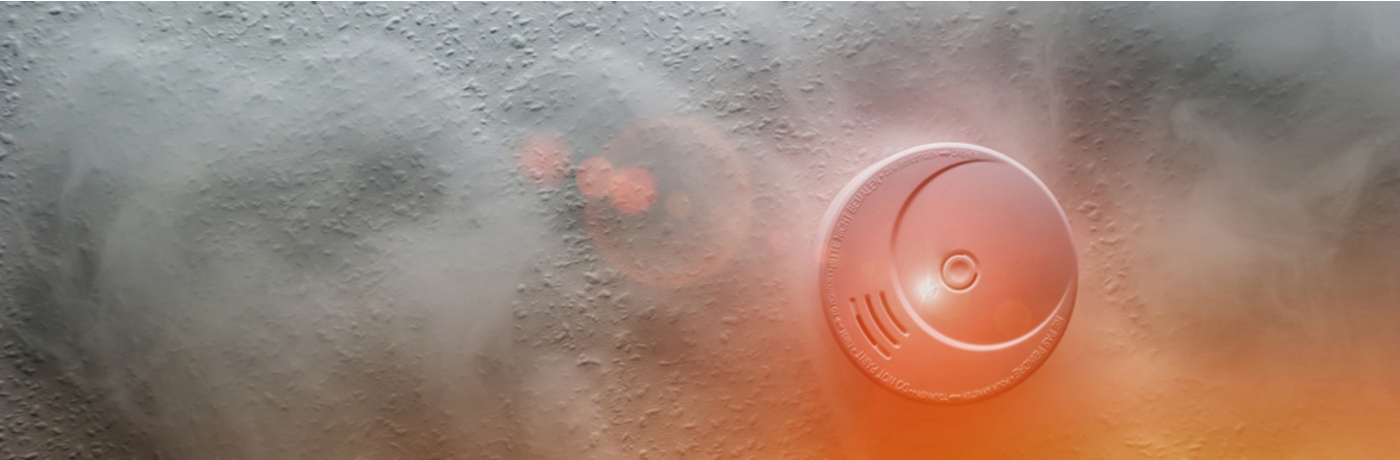
Where to Install Domestic Smoke and Heat Alarms
Fire safety is an important topic. Between 1st April 2016 and 31st March 2017, fire killed 325 people and injured 8,897[1]. Therefore, it is imperative that you have the right fire detection in place to protect you and your family in the event of a fire at home.
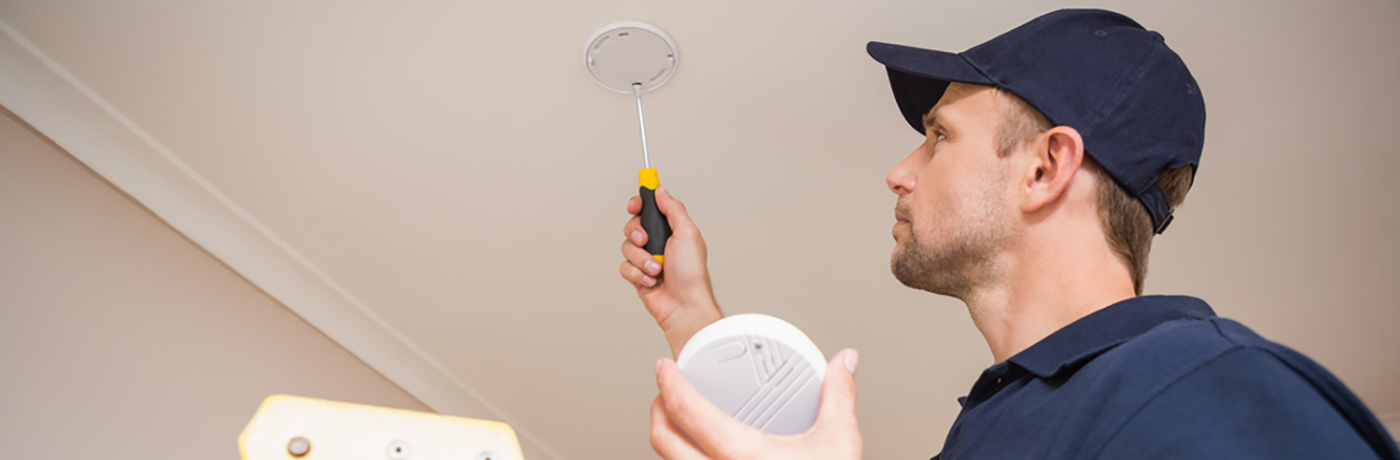
Where to Install Domestic CO Alarms
In order to protect domestic environments from smoke, fire and carbon monoxide, it is essential that alarms are installed correctly. If systems are incorrectly installed, homeowners and their families and pets become at risk of smoke inhalation, carbon monoxide poisoning and death. In particular, knowing where to install CO alarms correctly can make all the difference.
Types of Wireless Fire Alarm Systems
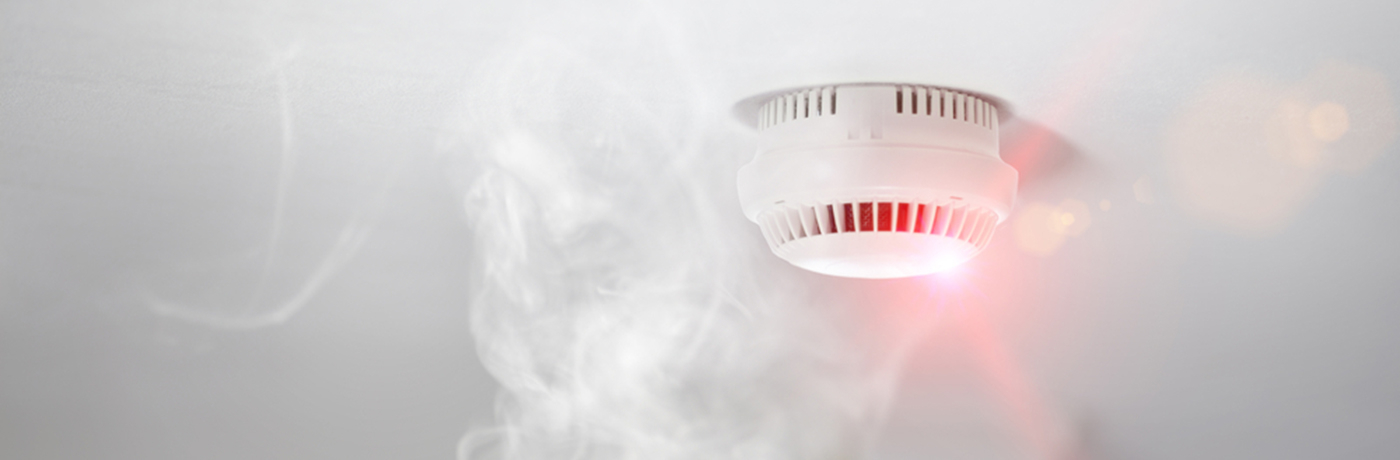
Wireless fire detection technology is becoming more and more prevalent, with many types of system now available on the market.
The Dangers of Carbon Monoxide
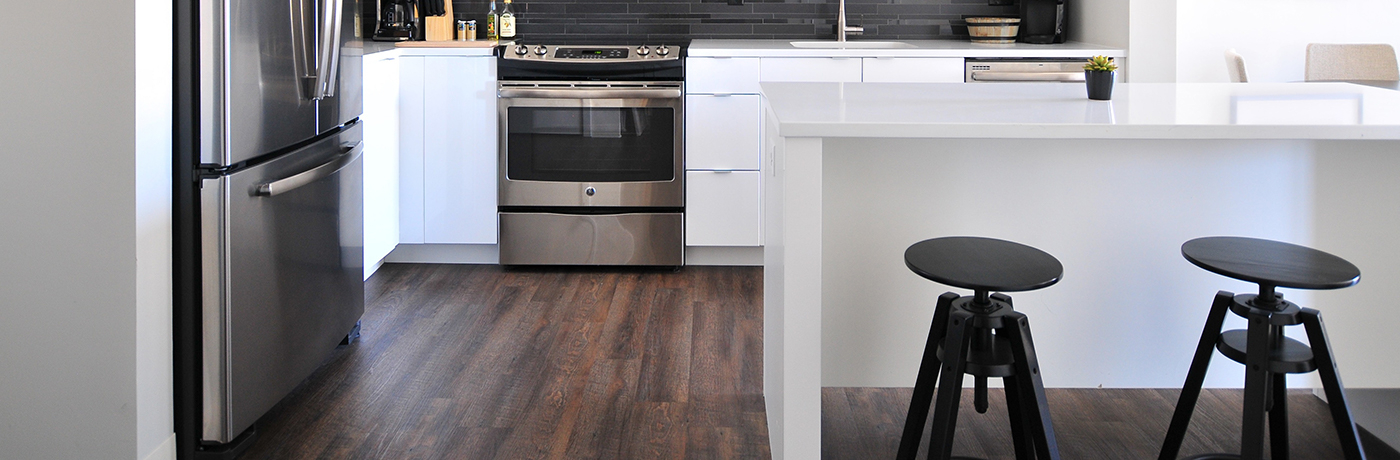
Carbon monoxide (CO) is an odourless, colourless, toxic, flammable gas formed by the incomplete combustion of carbon. Carbon monoxide can occur in the home through faulty equipment such as gas ovens, heaters and fire places. If CO is released into the atmosphere and enters the bloodstream, it can have a catastrophic effect and cause carbon monoxide poisoning, which if not treated quickly and effectively could be fatal.

The Dangers of Smoke Inhalation
Many fire related deaths are caused by smoke inhalation. Smoke has many catastrophic effects on the body and can affect it in a number of ways such as pulmonary irritation, thermal damage and toxic poisoning.