Hybrid Fire Detection Systems for Historic Buildings
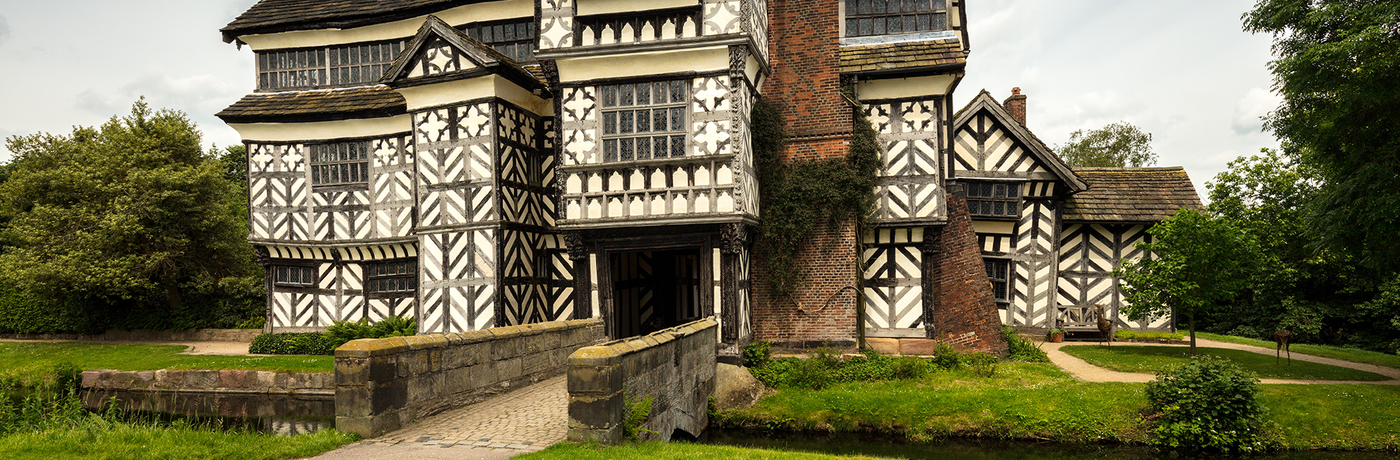
The term historic, or listed, building refers to a building that is not necessarily just old, but one that defines or marks our history. There are many reasons why a building maybe marked as historic or listed, it may be because it was designed by a well-known architect, because it was the place where a significant event occurred, because it was typical of a certain era or because it has certain aesthetic merits.

Types of Wireless Fire Alarm Systems
Wireless fire detection technology is becoming more and more prevalent, with many types of system now available on the market.

The Dangers of Carbon Monoxide
Carbon monoxide (CO) is an odourless, colourless, toxic, flammable gas formed by the incomplete combustion of carbon. Carbon monoxide can occur in the home through faulty equipment such as gas ovens, heaters and fire places. If CO is released into the atmosphere and enters the bloodstream, it can have a catastrophic effect and cause carbon monoxide poisoning, which if not treated quickly and effectively could be fatal.

Linear Heat Detection for Switchgear
Switchgear is a generic term that covers the combination of electrical disconnect switches, fuses or circuit breakers used in electric power systems to control, protect and isolate electrical equipment. Switchgear is generally used to de-energise equipment to allow work to be carried out and to isolate the supply in the event of a fault, but the term switchgear can also cover devices associated with the control, metering and regulating of an electrical power system.

Detector Requirements For Commercial Buildings
Commercial buildings can be buildings used for commercial or public use such as warehouses, office buildings, clinics, shopping malls, hotels and restaurants. With most commercial buildings granting access to the public, they are required by law to have adequate fire alarm safety mechanisms in place to alert and notify occupants that a fire has broken out.