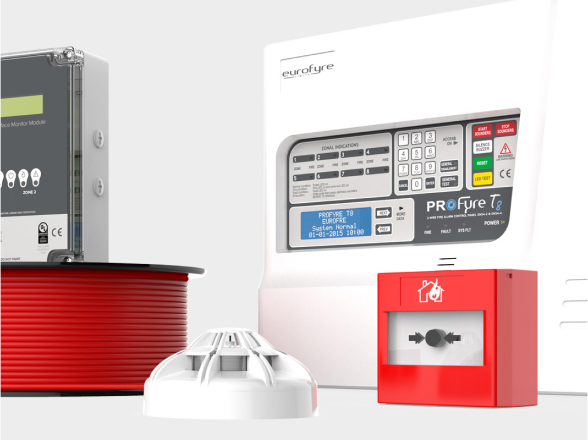
Using Wi-Fyre for Domestic Applications
Wi-Fyre provides a diverse and flexible wireless fire detection solution. Whether it is used as part of a new system, or to extend an existing system, Wi-Fyre is well suited to a wide range of applications and has six user-selectable modes of operation including:
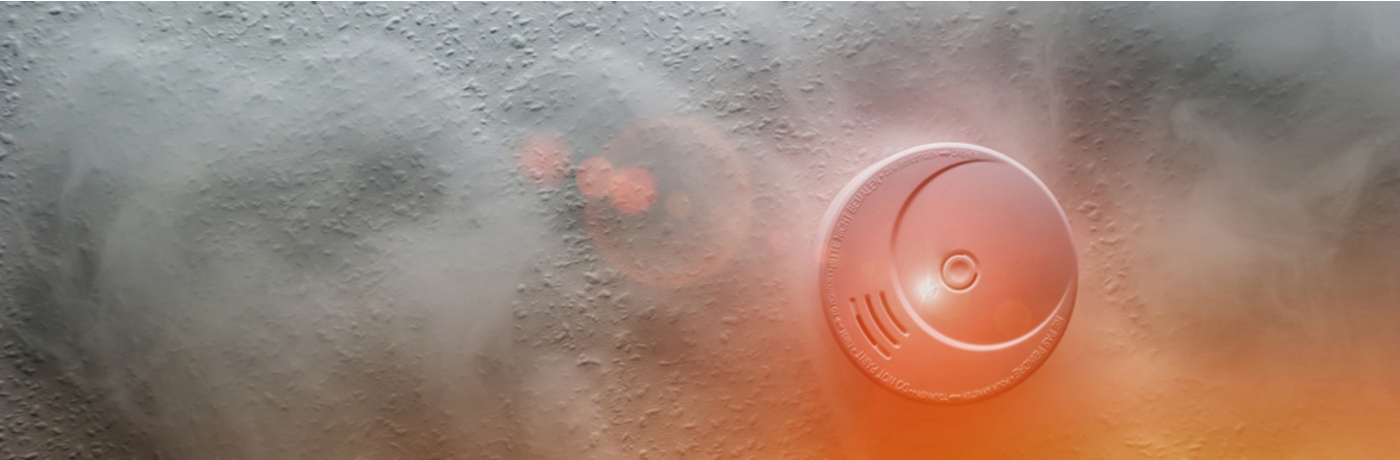
Where to Install Domestic Smoke and Heat Alarms
Fire safety is an important topic. Between 1st April 2016 and 31st March 2017, fire killed 325 people and injured 8,897[1]. Therefore, it is imperative that you have the right fire detection in place to protect you and your family in the event of a fire at home.

Eurofyre Supply Hybrid Fire Alarm System for Prestigious London Property
Eurofyre was recently involved with the supply of a hybrid fire alarm system for a prestigious residential property in Highgate, London.

Wireless Fire Detection for HMOs
An HMO, or House in Multiple Occupancy, is a building or part of a building that is occupied by more than two people living as more than one household. An HMO may be a house that is divided into bedsits or shared student accommodation, a flat share premises and, in some cases, hostels and bed and breakfast accommodation. Simply put, if at least three tenants live in a residential property and share common areas such as a bathroom, kitchen or even a stairway or landing, then it is considered an HMO.

Where to Install Domestic CO Alarms
In order to protect domestic environments from smoke, fire and carbon monoxide, it is essential that alarms are installed correctly. If systems are incorrectly installed, homeowners and their families and pets become at risk of smoke inhalation, carbon monoxide poisoning and death. In particular, knowing where to install CO alarms correctly can make all the difference.