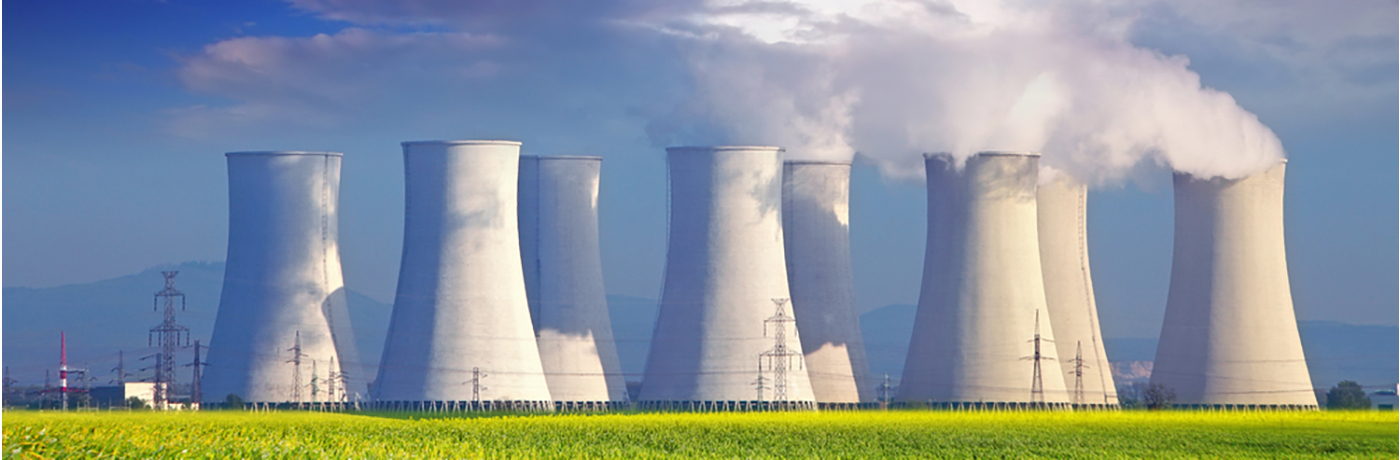
Using Video Smoke Detection Technology In Power Stations
A Power Station, or Power Plant, is a facility in which electricity is generated by converting mechanical energy into electrical energy. Typically consisting of one or more generators, power plants use energy, such as that created by burning fossil fuels like coal, oil and natural gas or nuclear power, to rotate and create relative motion between a conductor and a magnetic field.

Aspirating Smoke Detection Sampling Types Continued…
In June last year we published an article to introduce the types of aspirating smoke detection that are available. During the article we outlined five different approaches to aspirating smoke detection: primary sampling, secondary sampling, localised sampling, in-cabinet sampling and duct sampling, before going on to introduce primary and secondary sampling in more detail. For this article, we want to pick up where we left off and talk about the remaining three types of sampling in further detail; localised air sampling, in-cabinet air sampling and duct air sampling.

Using VSD Technology In Manufacturing Facilities
The term “manufacturing facility” lends itself to a host of different applications, usually consisting of large buildings containing machinery or commonly complexes consisting of multiple buildings. Most modern manufacturing facilities, also known as factories or manufacturing plants, have large warehouses or warehouse-like facilities that house heavy, electrical or mechanical equipment and it is with these factors that increased risk of fire becomes a challenge.
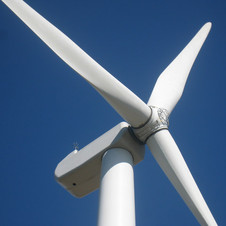
Aspiration Smoke Detection for Wind Turbine Applications
Wind turbines are becoming an increasingly important source of renewable energy. They play a valuable role in strategies established by numerous countries to reduce their dependency on non- renewable fossil fuels. In today’s ever developing world wind turbines are used for an array of applications such as providing power for charging batteries for boats and caravans, to larger scale applications providing domestic energy and contributing unused power back to the electrical grid. Collections of larger turbines, known as wind farms, also widely contribute to larger applications.

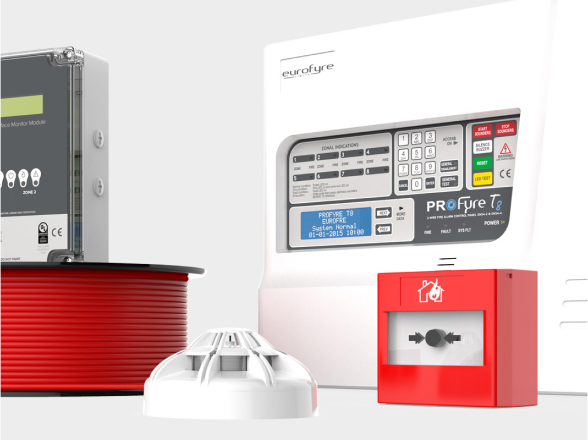
Linear Heat Detection from Eurofyre
Linear Heat Detection can offer early detection of fire or warn of over-heating equipment in a specific area. Linear heat detection uses lengths of sensing cable that work in a similar way to conventional heat detectors, the difference being that they are capable of detecting fire, or excessive heat, at any point along their length. There is no minimum length exposure required to generate an alarm signal and systems can be installed using lengths in excess of 1000m.