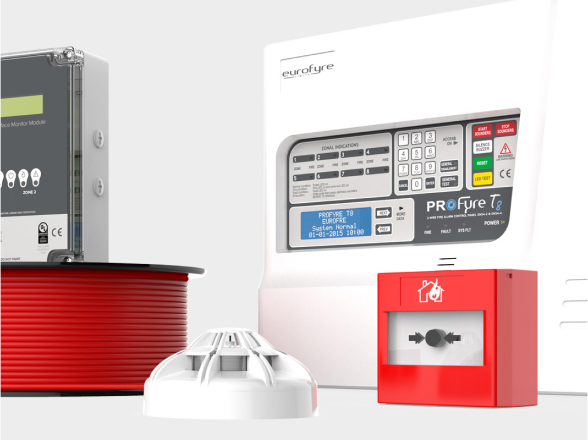
The Benefits of a Hybrid Fire Detection System
Wireless fire detection is becoming more and more reliable and cost-effective. However, there are still some concerns around completely wireless fire alarm systems: are they reliable, are they affordable and are they secure? Well, one way to reap the benefits of wireless fire detection while mitigating the concerns around a fully wireless system is to combine hardwired and wireless detection technology to form a complete, hybrid fire detection system.

FyreLine LHD Used in Malaysia’s Kelana Jaya Line
Eurofyre recently provided a FyreLine Digital Linear Heat Detection system for one of Malaysia’s most advanced rail systems.

Linear Heat Detection Used in Brand New Seattle Tunnel
The brand new State Route 99 double-decker tunnel in Seattle opened on the 4th February 2019. The tunnel, which cost upwards of $3.3 billion is expected to fundamentally change the texture of downtown Seattle, both visually and logistically, and was built as a replacement for the ageing Alaskan Way Viaduct.
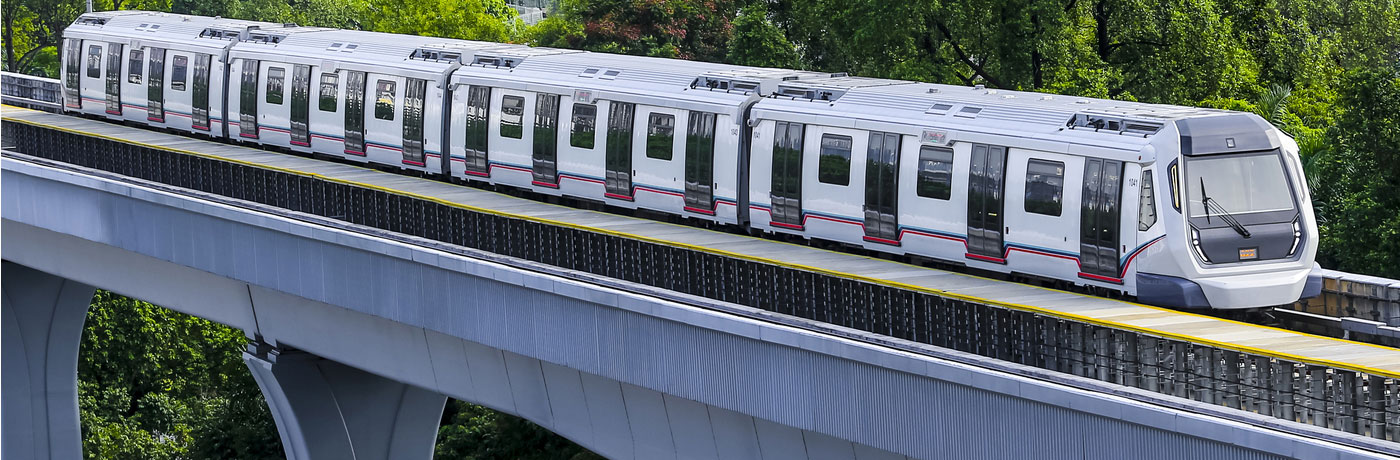
FyreLine LHD Used in Malaysian Mass Rapid Transport Tunnels
Tunnels have been a feature of human civilisation since prehistory. Tunnels are used for a variety of applications. From the London Underground and the New York subway system to the Cu Chi Tunnels in Vietnam, their primary function is to create a direct route through an otherwise impassable medium.
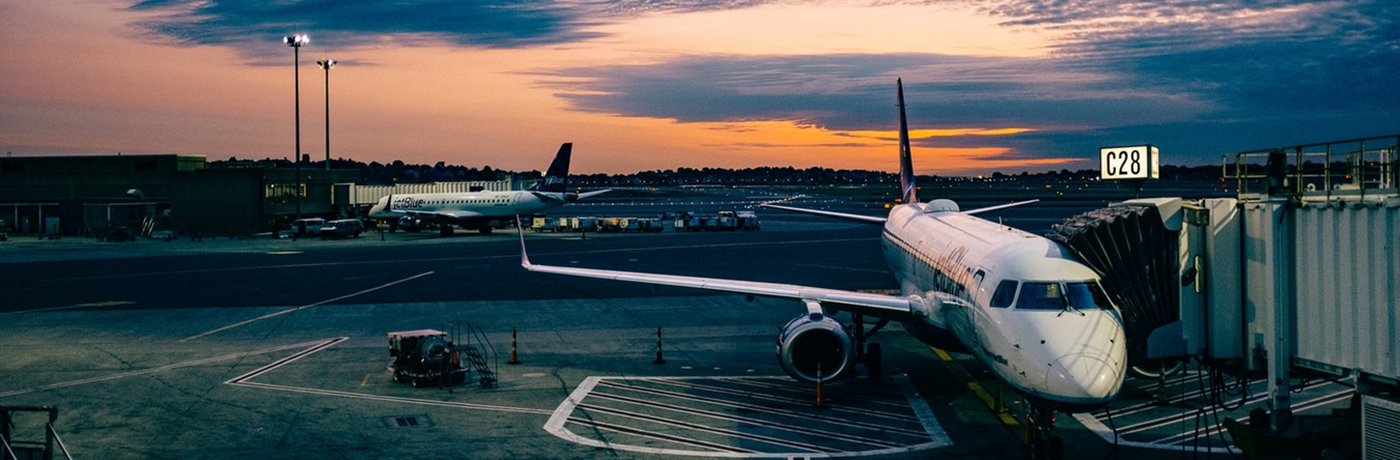
Fire Alarm Systems – Airports
An airport is an area from which aircraft flight operations take place, regardless of whether they involve air cargo, passengers, or neither. At the very least, airports typically have facilities to store and maintain aircraft, a control tower and at least one runway. Larger airports may have airport aprons, taxiway bridges, air traffic control centres and passenger facilities such as restaurants, shops, lounges and emergency services. International airports also have additional facilities for customs and passport control.