Solar panels are devices that convert sunlight into electricity using photovoltaic cells. These cells capture sunlight and transform it into direct current (DC) electricity, which is then converted to alternating current (AC) by an inverter for use in homes and businesses.
When installed on rooftops, solar panels are usually positioned to maximise exposure to sunlight, typically facing south in the Northern Hemisphere or north in the Southern Hemisphere. The angle of the panels is adjusted based on the latitude of the location to optimise energy capture. Rooftop installations are popular because they make efficient use of space, reduce electricity bills, and contribute to environmental sustainability by harnessing a renewable energy source.
What are the Risks?
While solar panels are generally safe, there are some fire risks associated with rooftop installations. Some risks include:
- Faulty Wiring
- Poorly installed or damaged wiring can lead to electrical faults, such as short circuits or ground faults, which can spark fires. Proper installation and regular maintenance are essential to mitigate this risk.
- Overheating
- If solar panels or their associated components, like inverters, overheat due to poor ventilation or excessive sunlight, there is a potential for fire. This is more likely if the system is not installed with proper cooling measures.
- Electrical Arcing
- An arc fault occurs when there is an unintended electrical discharge between conductors, which can generate high temperatures and potentially ignite surrounding materials. Arc faults can be caused by loose connections or damaged wires.
- Poor Installation Practices
- Inadequate or improper installation of solar panels can create risks, such as panels not being securely fastened, which can lead to mechanical stress on wiring and connections, increasing the chance of fire.
- Faulty Equipment
- Defective solar panels, inverters, or other components can malfunction and cause electrical issues that may lead to fires. Ensuring the use of high-quality, certified equipment can help reduce this risk.
What are the Challenges?
Designing a reliable fire detection solution for solar panels on rooftops can present several challenge, some of which include:
- Environmental Factors
- Solar panels are exposed to various environmental conditions, such as wind, rain, dust, and temperature fluctuations. These factors can interfere with the accuracy and reliability of fire detection systems, potentially leading to false alarms or missed detections.
- Integration with Existing Systems
- Rooftop solar installations often need to integrate with existing fire detection and suppression systems. Ensuring compatibility and seamless communication between the solar-specific detection system and the building’s overall fire safety infrastructure can be complex.
- Accessibility for Maintenance
- Fire detection systems require regular testing and maintenance to ensure they function correctly. However, rooftop locations can be difficult to access, making maintenance more challenging and potentially leading to neglected or overlooked systems.
- Electrical Interference
- Solar panels and their associated components generate electrical noise, which can interfere with the operation of sensitive fire detection equipment. Designing a solution that can function effectively in such an electrically noisy environment is crucial to prevent false positives or undetected fires.
- Cost and Complexity
- Implementing a fire detection solution for solar panels adds additional costs and complexity to the overall installation. Balancing the need for effective fire detection with budget constraints and the desire to maintain a straightforward installation process can be a significant challenge.
DTSX1 Fiber Optic Linear Heat Detection
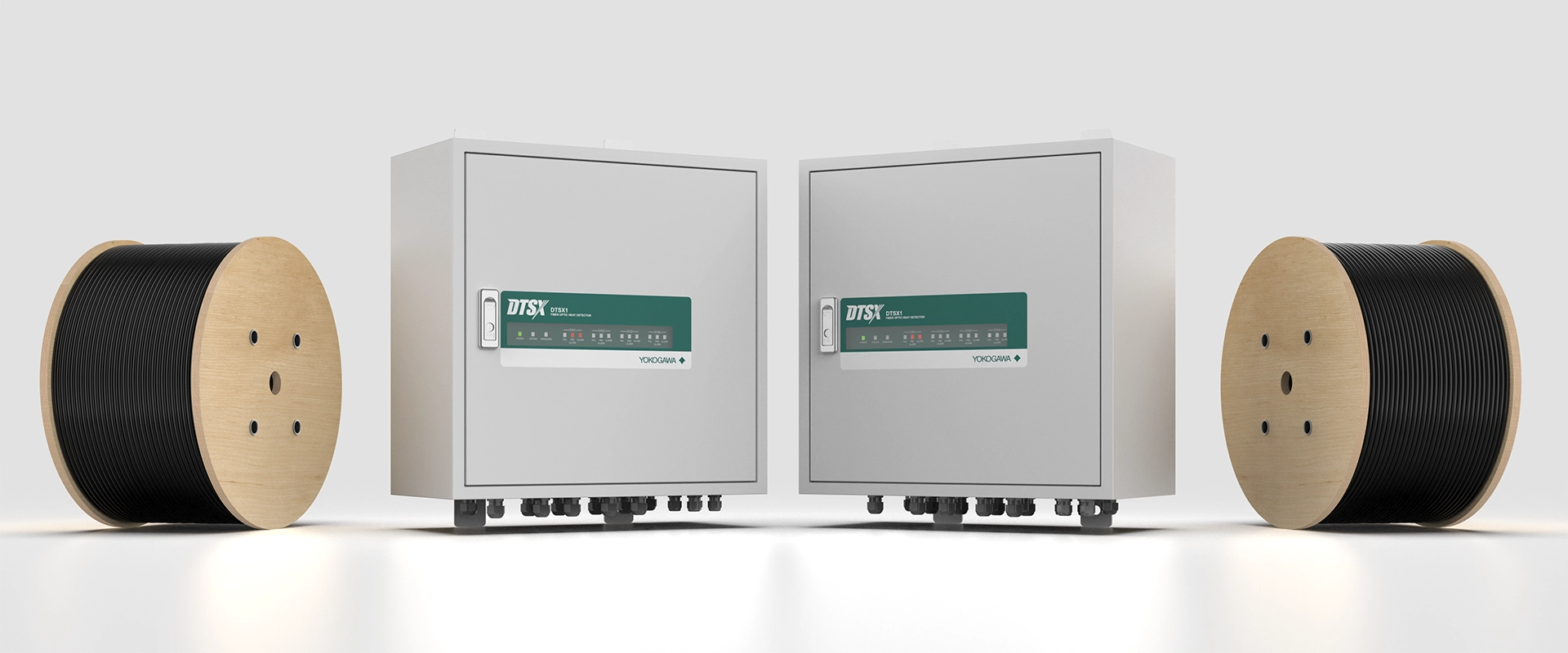
The Yokogawa DTSX1 Fiber Optic Linear Heat Detection System is an advanced fire detection solution that uses fibre optic cables to monitor temperature changes. Unlike traditional linear heat detection, the DTSX1 uses Distributed Temperature Sensing (DTS), a type of linear heat detection where the fibre optic cable itself is the heat sensing element.
DTSX1 Fiber Optic Linear Heat Detection provides continuous, real-time monitoring and can detect precise temperature variations and near-pinpoint location accuracy across long distances (up to 8km) making it highly effective for early fire detection.
For solar panel installations on rooftops, the DTSX1 system offers significant benefits. It can cover large areas with a single cable, making it ideal for expansive solar arrays. The system’s ability to detect temperature anomalies quickly and accurately helps in identifying potential fire risks before they escalate. Additionally, its resistance to environmental factors like dust, humidity, and electrical noise ensures reliable performance in challenging outdoor conditions, enhancing the overall safety of solar installations.
Approvals


Design Considerations
Controller Placement
For best results, the DTSX1 Controller can be installed in a secure location where it is protected from the elements, but easily accessible for routine maintenance.

Cable Placement
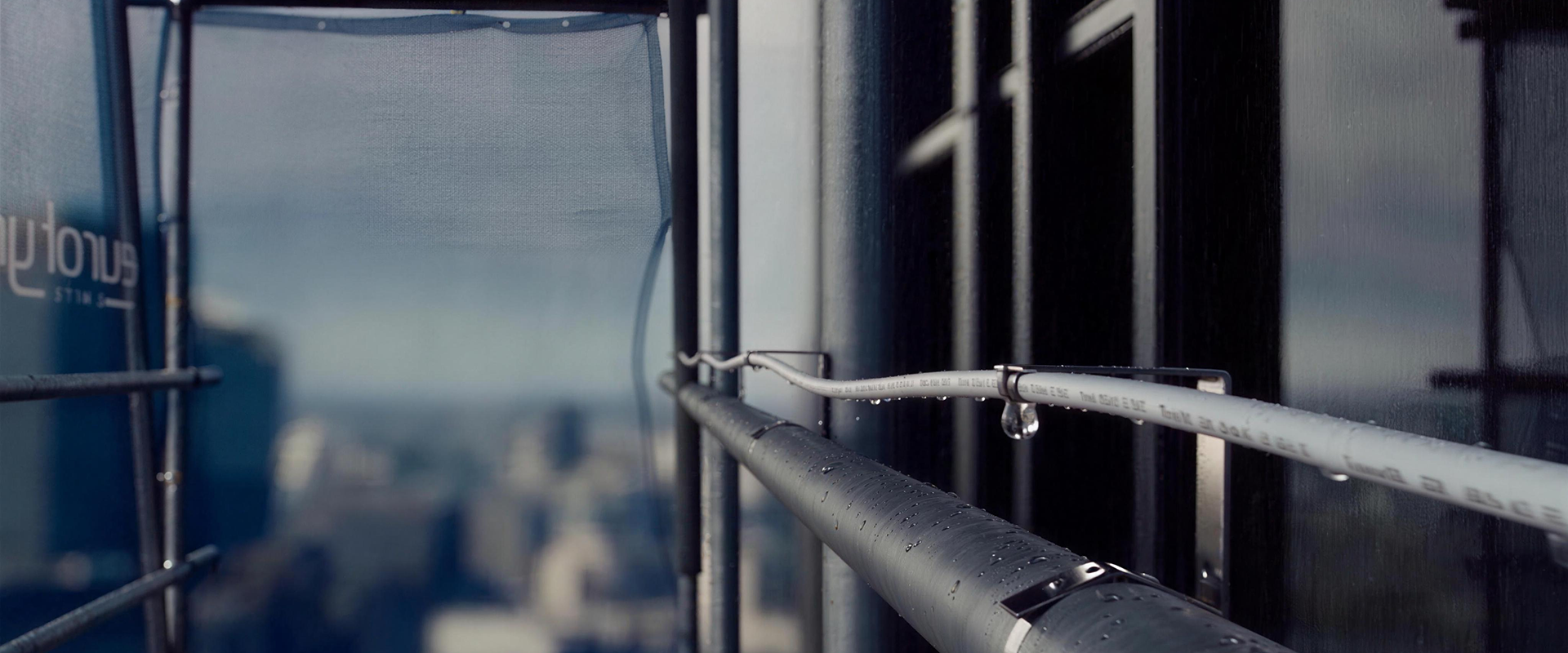
DTSX1 Fiber Optic Linear Heat Sensing Cable should be installed on the underside of the solar panels and along the highest longitudinal support bar of the metal framework that supports them.


Mounting Clips


The DTSX1 P-Clip is available in aluminium and stainless steel and is suitable for use where mounting space is limited. When using the P-Clip, silicone sleeves are included in each pack to insulate and protect the LHD cable from abrasion, excessive pressure and any heat transfer from a metal mounting bracket to the cable.
The DTSX1 J-Clip is best suited for use on flat mounting surfaces. It has provision for a cable tie to ensure the cable is securely fixed and can be used to support the heat detection cable below or above the risk. Silicone sleeves insulate and protect the cable from abrasion, excessive pressure or any heat transfer from the bracket to the cable.
Why Choose Eurofyre?
- Complete System Supplier
- Eurofyre supplies all aspects of fire detection including linear heat detection and its associated products and can provide expert advice and consultation.
- Demonstration and Training
- We offer demonstrations and expert training on a range of systems, including FyreLine linear heat detection systems, in our very own sophisticated training facility.
- After-Sales Support
- Eurofyre offers both on-site and telephone support to assist you in ensuring that your system is fully functional and operating at maximum efficiency. Our after-sales care and support are second to none.
For more information about Yokogawa DTSX1 Fiber Optic Linear Heat Detection, or to discuss any of the other products that Eurofyre has to offer, please feel free to get in touch either by phone on +44 (0) 1329 835 024, by email to [email protected] or via the online enquiry form situated on our contact page.
Don’t forget you can follow us on LinkedIn, X and Facebook or sign up to our newsletter (in the footer below) to receive all the latest information from Eurofyre.