Using Video Smoke Detection Technology In Cultural Properties
Cultural buildings such as Museums, Libraries, Government Buildings, Heritage Properties, Cathedrals and Churches often host an archive of incalculable value. These irreplaceable articles can be physical items, such as paintings, ancient artifacts and books, or indeed the buildings themselves. The contents of such cultural buildings are easily damaged by smoke, fire and the water associated with sprinkler systems and are prone to theft and arson attacks, and it is for these reasons that employing reliable fire detection and security systems is crucial. Even more so, a fire detection system can provide very early warning of fire to ensure that action is taken before any irreversible damage is caused is vital.
ASD Technology for Historical Sites & Museums
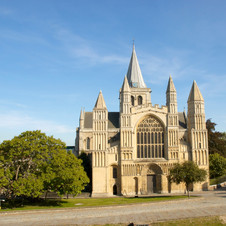
Historical sites, museums and religious buildings present unique challenges to the fire alarm system installer due to their cultural and architectural significance. In addition to bricks and mortar, these type of buildings often house priceless pieces of artwork and irreplaceable volumes whose loss or damage could be disastrous.
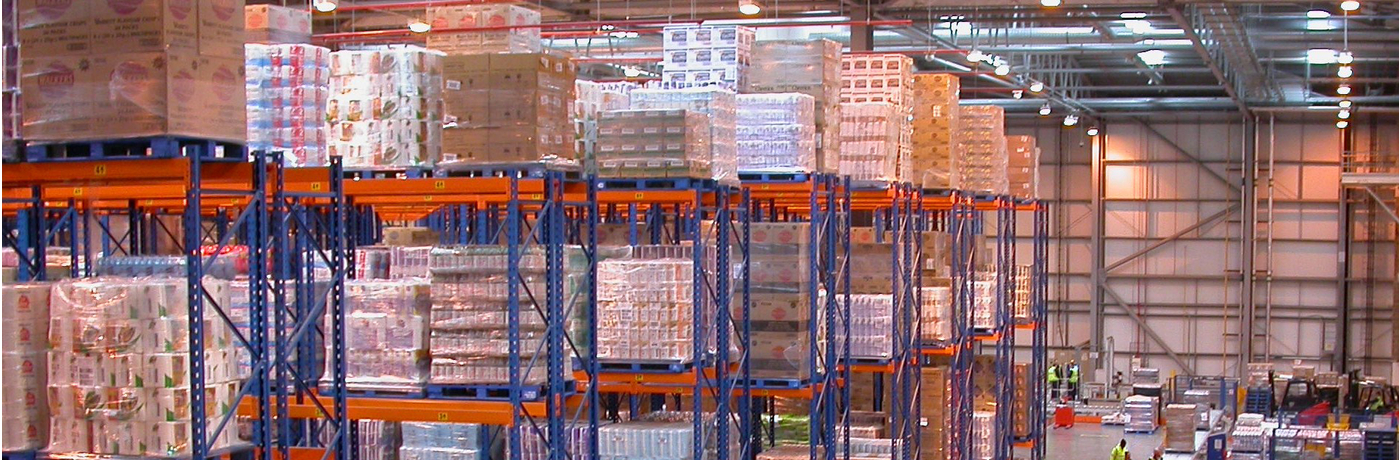
Smoke Detection in High Ceiling Applications Using ASD
As a result designers and installers tend to use detection technologies such as beam detection and aspirating smoke detection (ASD) where smoke measurements over an area, rather than from a single location, are determined. Independent tests have shown that ASD has a far higher sensitivity to smoke than point detector technology, resulting in a superior ability to detect smoke that is diluted or distributed as it rises to higher levels.
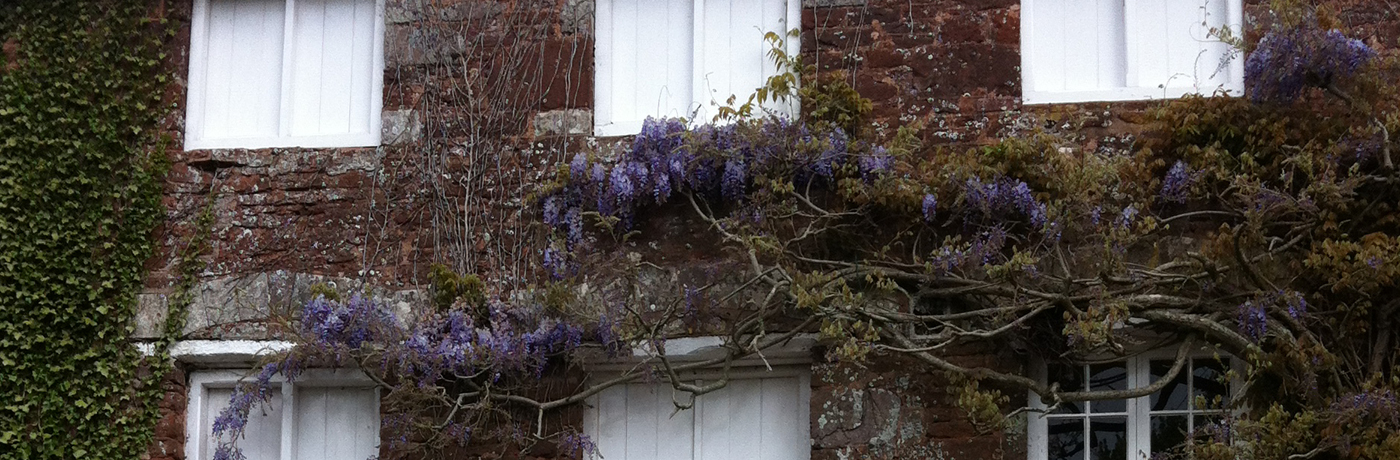
Detection System Installed in National Trust Property
We recently supplied a Wi-Fyre wireless detection system for a historic, water-powered corn mill owned by the National Trust.
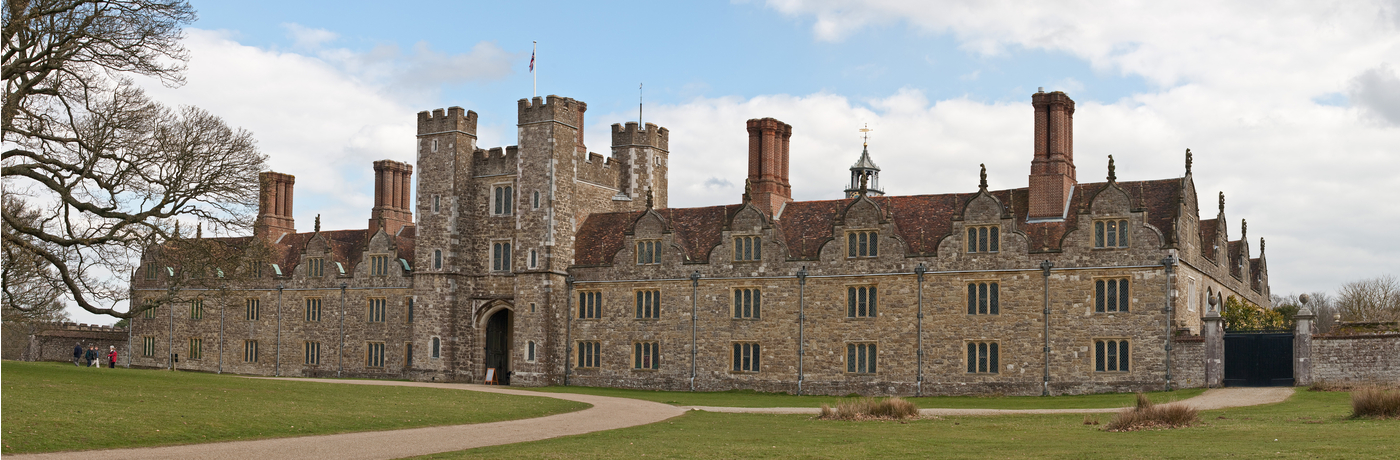
National Trust Fire System
Eurofyre recently supplied and commissioned a fire system in an unusual National Trust property presenting a range of fire protection challenges. Read more to find out why we were selected and which devices we chose to use for the project.