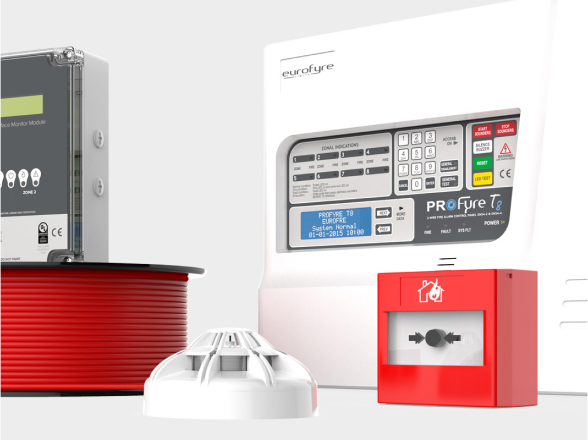
Aspirating Smoke Detection Sampling Types Continued…
In June last year we published an article to introduce the types of aspirating smoke detection that are available. During the article we outlined five different approaches to aspirating smoke detection: primary sampling, secondary sampling, localised sampling, in-cabinet sampling and duct sampling, before going on to introduce primary and secondary sampling in more detail. For this article, we want to pick up where we left off and talk about the remaining three types of sampling in further detail; localised air sampling, in-cabinet air sampling and duct air sampling.
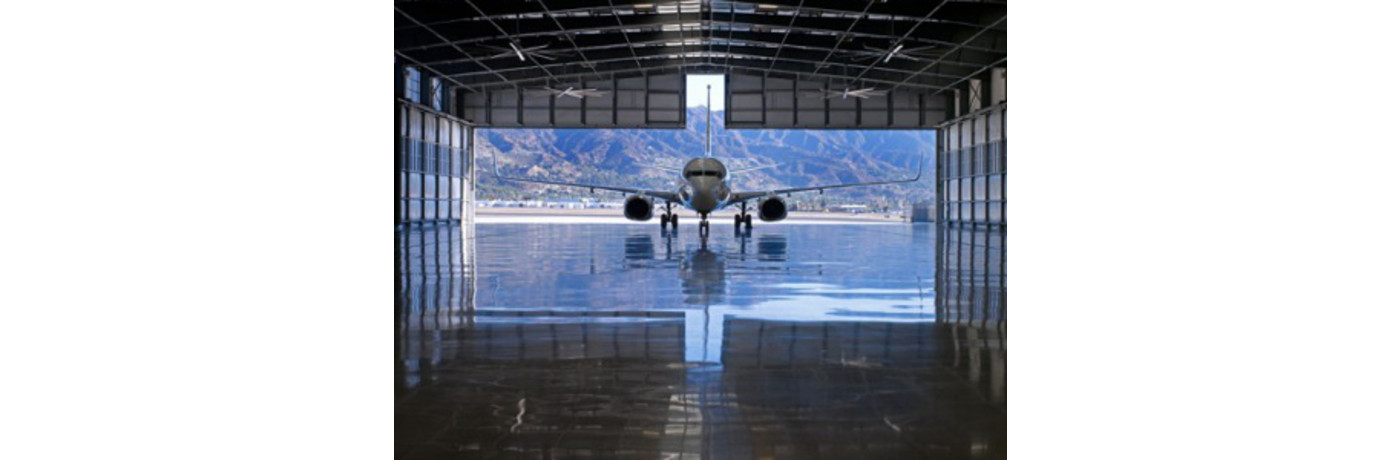
Using Video Smoke Detection Technology In Hangars
Aircraft or spacecraft are often stored in hangars to protect them from the elements and create a safe and suitable environment for routine maintenance. Aircraft hangars can contain hundreds of thousands of pounds, or even millions of pounds worth of equipment, which means that the consequences of a fire could be financially devastating. Not only could a fire cause costly damage to an aircraft but loss of revenue due to a working aircraft being taken out of service could be significant.
Very Early Warning Smoke Detection for Small Telco Sites
Aspirating smoke detection provides very early warning smoke detection for a range of applications. Based around a central detection unit an aspirating smoke detection system actively draws air through a network of pipes into a detection chamber. The air is then analysed for the presence of smoke.
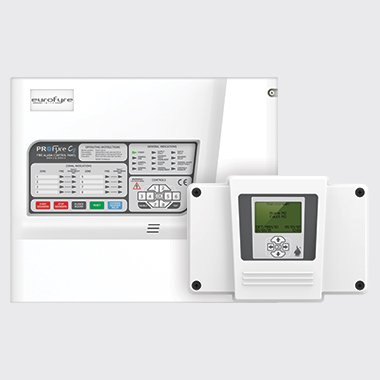
Using Wi-Fyre with an existing conventional fire alarm system
The conventional fire alarm system is most commonly used in small properties where detailed information on device locations is not normally required and where zones are used for identification.
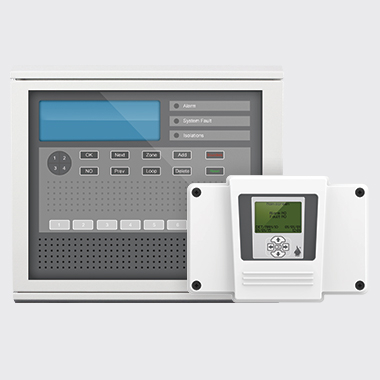
Using Wi-Fyre with an existing analogue addressable fire alarm system
Analogue addressable fire alarm systems differ from conventional fire alarm systems in many ways, principally by providing improved flexibility and control.