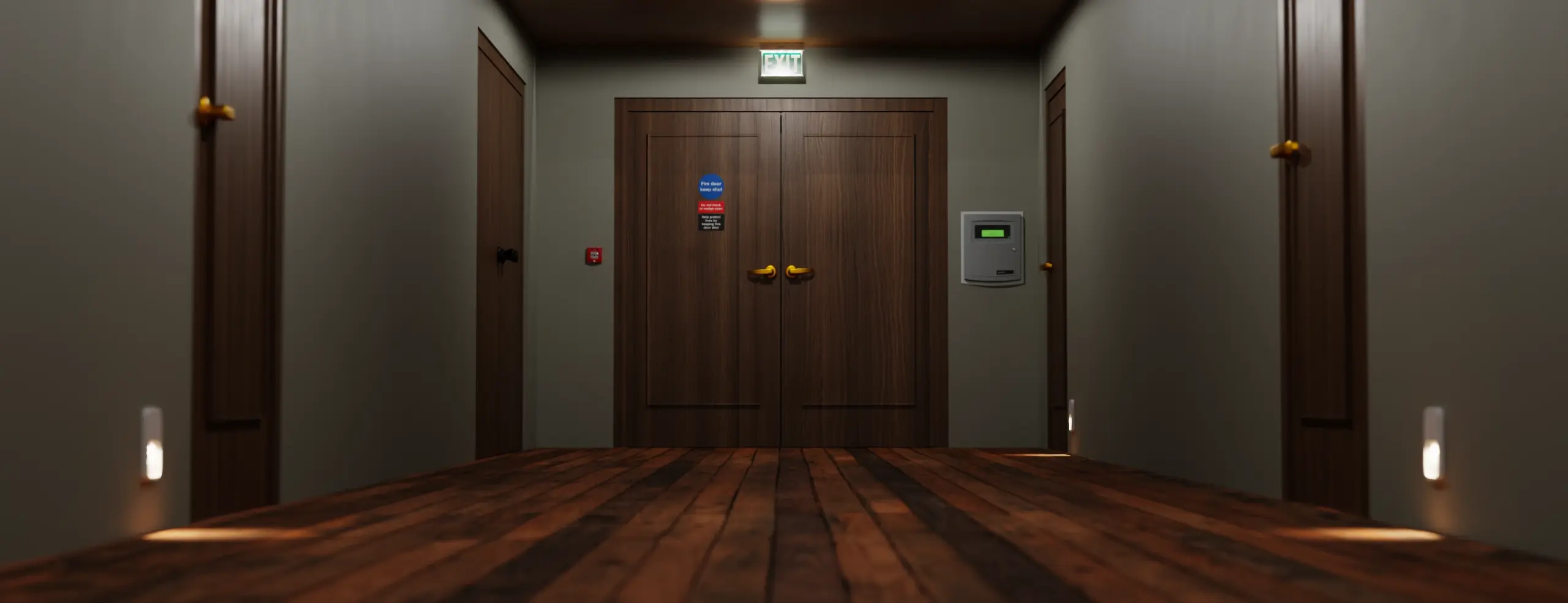
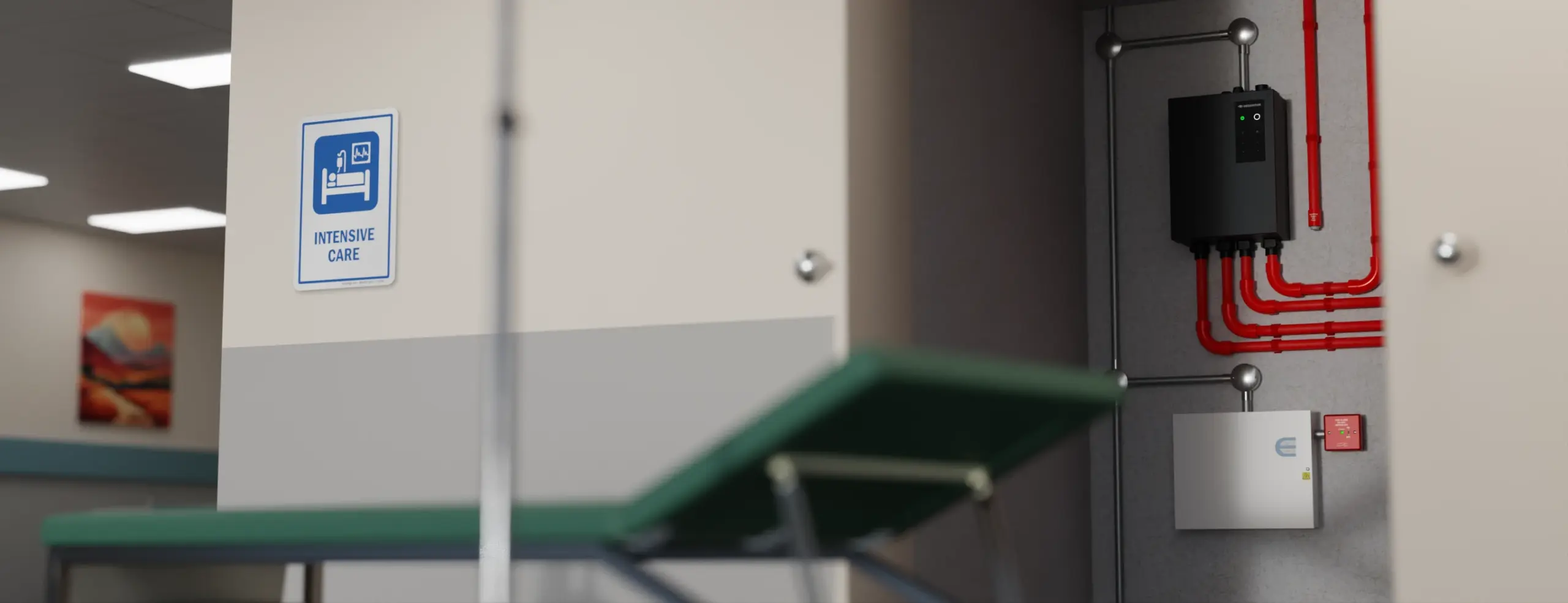
Hotels provide overnight accommodation for guests alongside a wide range of supporting facilities, including restaurants, bars, conference and event spaces, leisure areas, and back-of-house operations such as kitchens, laundries and plant rooms. Many hotels operate around the clock, with guests present at all hours and staff working across multiple departments to keep the building running smoothly.
Because hotels accommodate large numbers of sleeping occupants who may be unfamiliar with the building layout, effective fire detection is particularly important for supporting safe evacuation and protecting life. Fire incidents can also cause significant disruption to hotel operations, damage to guest rooms and public areas, and reputational harm, making early and reliable detection essential to both life safety and business continuity.
Fire Detection Challenges in Hotels
- Bedroom Fires
- Guest rooms often contain electrical appliances, chargers, soft furnishings and, in some cases, smoking materials, all of which can contribute to fire risk while occupants are asleep or unfamiliar with their surroundings.
- Kitchen and Catering Areas
- Commercial kitchens supporting restaurants, bars and banqueting facilities involve cooking equipment, extraction systems and hot surfaces that can increase the likelihood of fire.
- Electrical Equipment Failures
- Lighting, HVAC systems, laundry equipment and IT infrastructure across large hotel buildings can develop faults that generate heat or ignition sources.
- Public and Function Areas
- Lobbies, conference rooms and event spaces can experience high occupancy at varying times, increasing the potential impact of a fire incident.
- Plant and Service Rooms
- Boiler rooms, laundries and back-of-house service areas often contain equipment that can present additional fire hazards if not properly monitored.
Fire Detection Challenges in Hotels
- Large and Complex Layouts
- Hotels typically combine guest room corridors, public areas, kitchens and plant rooms within a single building, requiring a detection system capable of covering diverse spaces.
- Continuous Occupancy
- With guests present overnight and throughout the day, fire detection systems must operate reliably at all times without unnecessary disruption to guests or operations.
- Minimising Unwanted Alarms
- Steam from bathrooms, cooking activity and function spaces can all present a risk of unwanted alarms if detection is not carefully specified.
- Heritage and Aesthetic Considerations
- Many hotels occupy period or architecturally sensitive buildings, where installation methods and device appearance need to be carefully considered.
- Rapid Alarm Location
- In large hotels with numerous rooms and floors, quickly identifying the precise location of an alarm is important for an effective and targeted response.
Managed Protocol Addressable Fire Detection
Managed protocol addressable fire detection refers to a type of fire alarm system in which each detector, call point, sounder or interface connected to the system has its own unique address on the loop. Rather than being grouped into broad zones, every device communicates individually with the fire alarm control panel, allowing its exact identity and status to be continuously monitored.
This approach allows a fire or fault condition to be pinpointed to a specific device location, rather than a general area of the building. For hotels, where guest rooms, corridors and public spaces are often numerous and spread across multiple floors, this level of detail can support a faster and more targeted response from staff and emergency services. Managed protocol systems are also scalable, supporting configurations ranging from smaller single-loop installations to large, networked systems spanning multiple panels, making them well suited to hotels of varying sizes.
SMS SenTRI

SMS SenTRI is an intelligent, managed protocol addressable fire detection system developed by SMS, part of Honeywell Life Safety Systems. The range provides true analogue sensing with adjustable sensitivity, helping to reduce the likelihood of unwanted alarms while maintaining reliable detection performance across a wide variety of building types.
The system supports integrated loop-powered sounders and visual alarm devices, which can help simplify installation and reduce overall cabling requirements. Loop wiring isolators are also incorporated to support fault tolerance, helping to ensure that a single cable fault does not compromise the wider system.
Approvals



The SMS SenTRI range holds LPCB approval, providing independent third-party verification of product performance and reliability, alongside UKCA and CE marking, confirming compliance with applicable UK and European regulatory requirements.
Design Considerations
Control Panel and Repeater Panel Placement
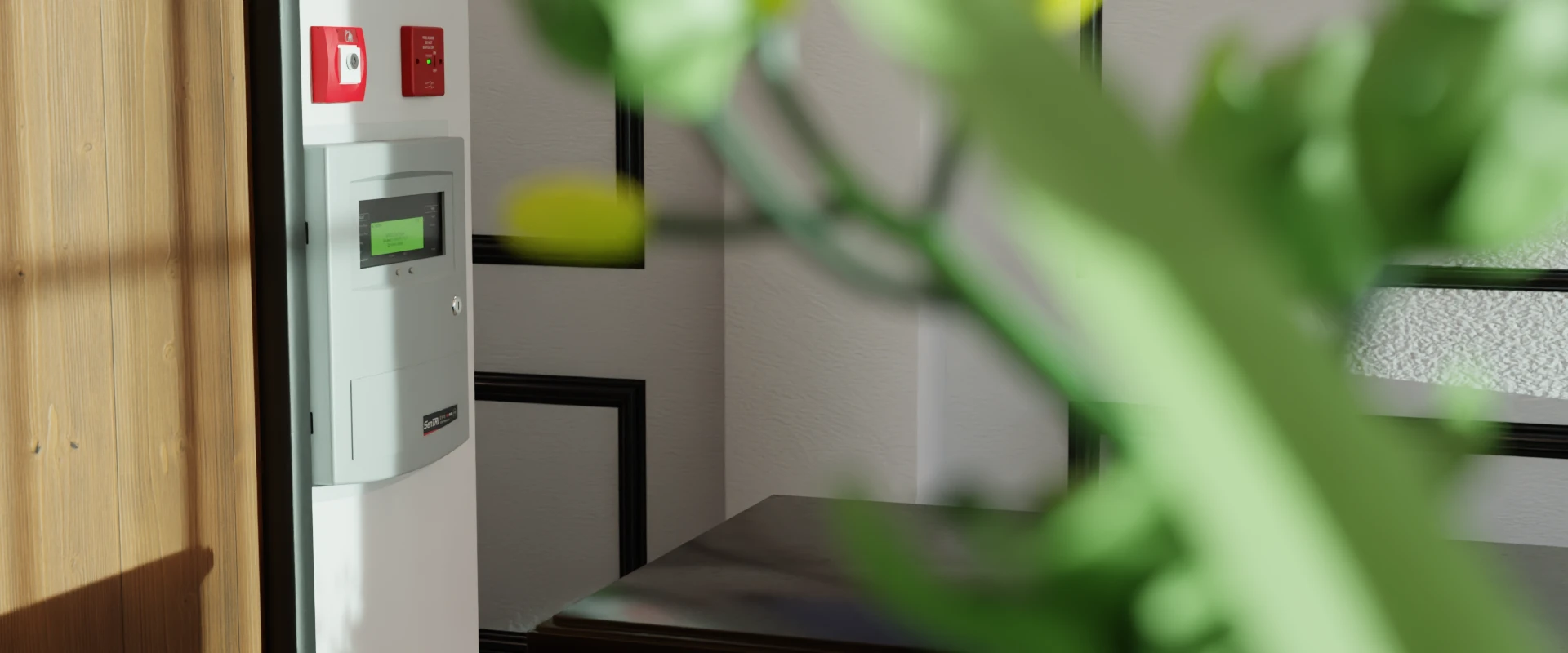
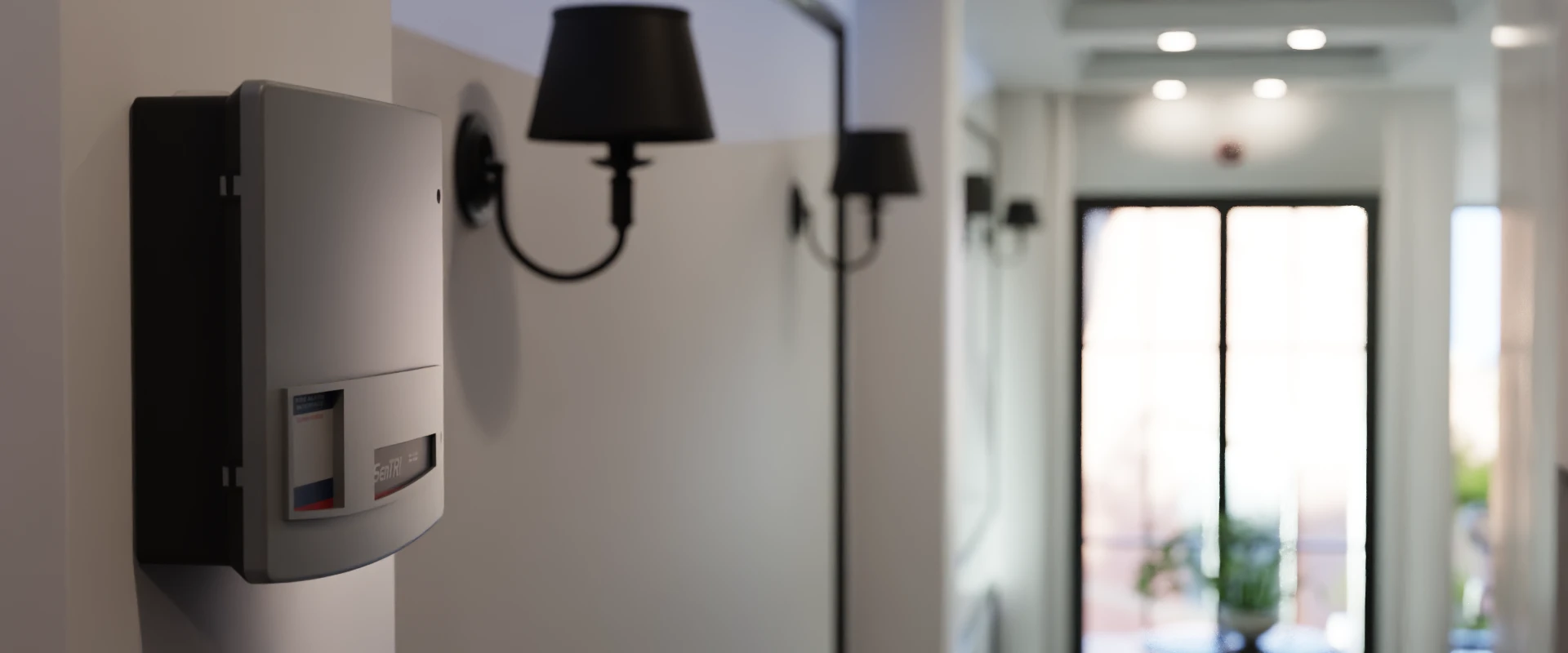
The SenTRI 2 control panel should be positioned in an accessible location, typically close to the main entrance or a designated fire service access point, where it remains visible and easy to reach for staff and attending fire crews during an emergency.
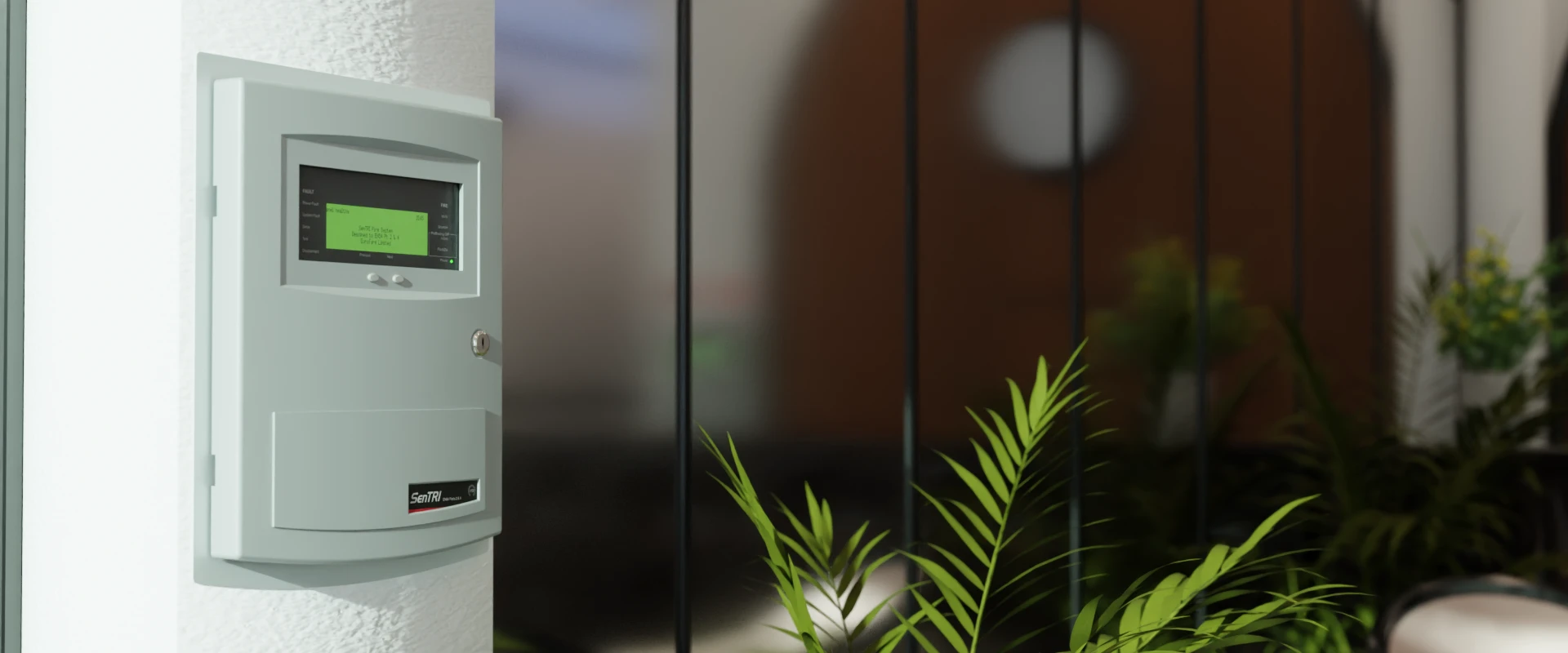
Loop-wired repeater panels can be positioned at reception desks, security offices or other staffed locations, allowing key personnel to view system status and alarm information without needing to travel to the main control panel.
Input/Output Module Placement
Addressable input/output modules should be located close to the plant, equipment or systems they are intended to monitor or control, such as ventilation shutdown, door release mechanisms or lift recall functions, supporting effective cause and effect programming across the hotel.
Sensor Placement
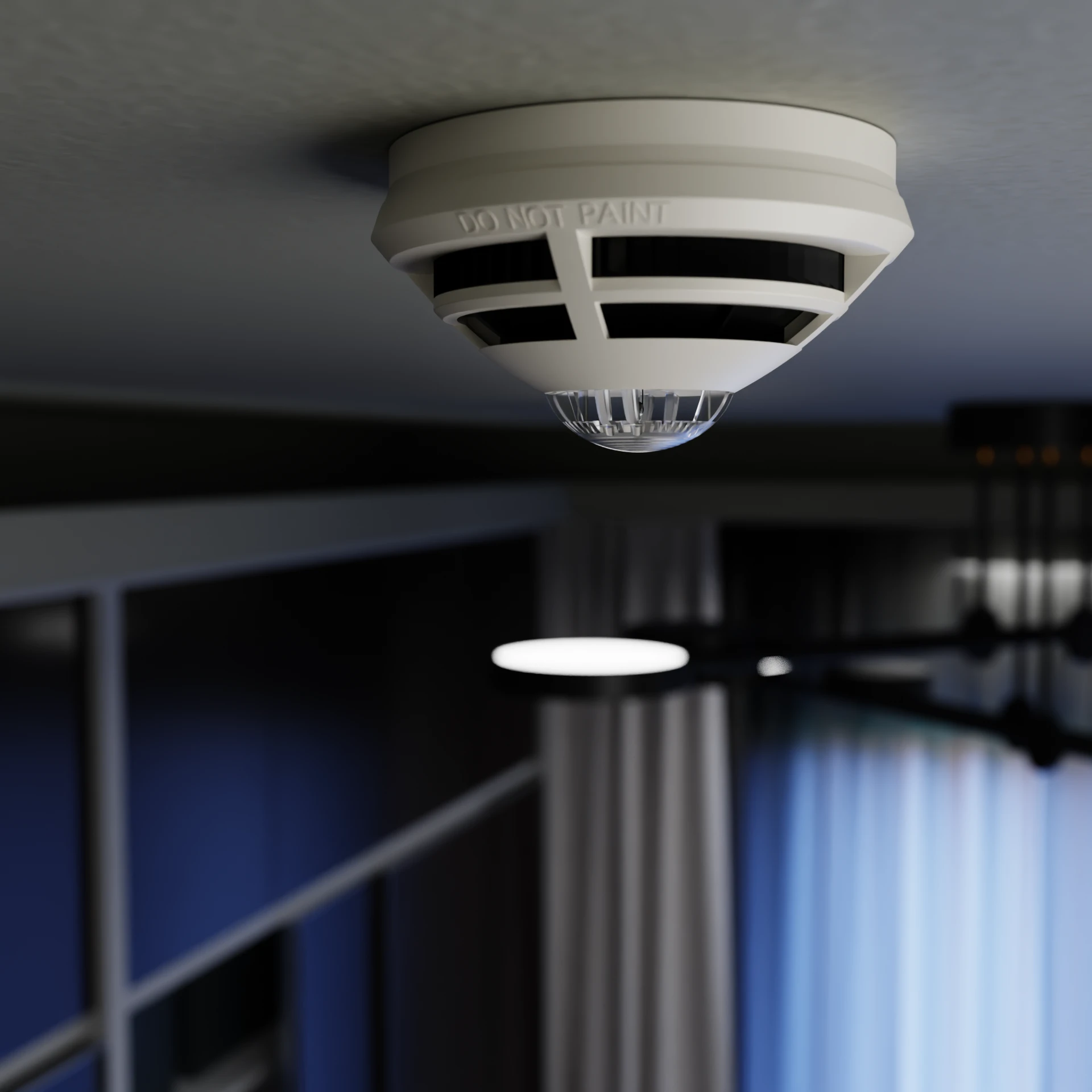
Smoke detectors are generally well suited to guest room corridors, public areas and office spaces where smouldering fires are more likely to develop, while heat detectors may be more appropriate for kitchens and other areas prone to steam or cooking fumes. Detector positioning should account for corridor layouts, ceiling features and any areas where airflow could affect performance.
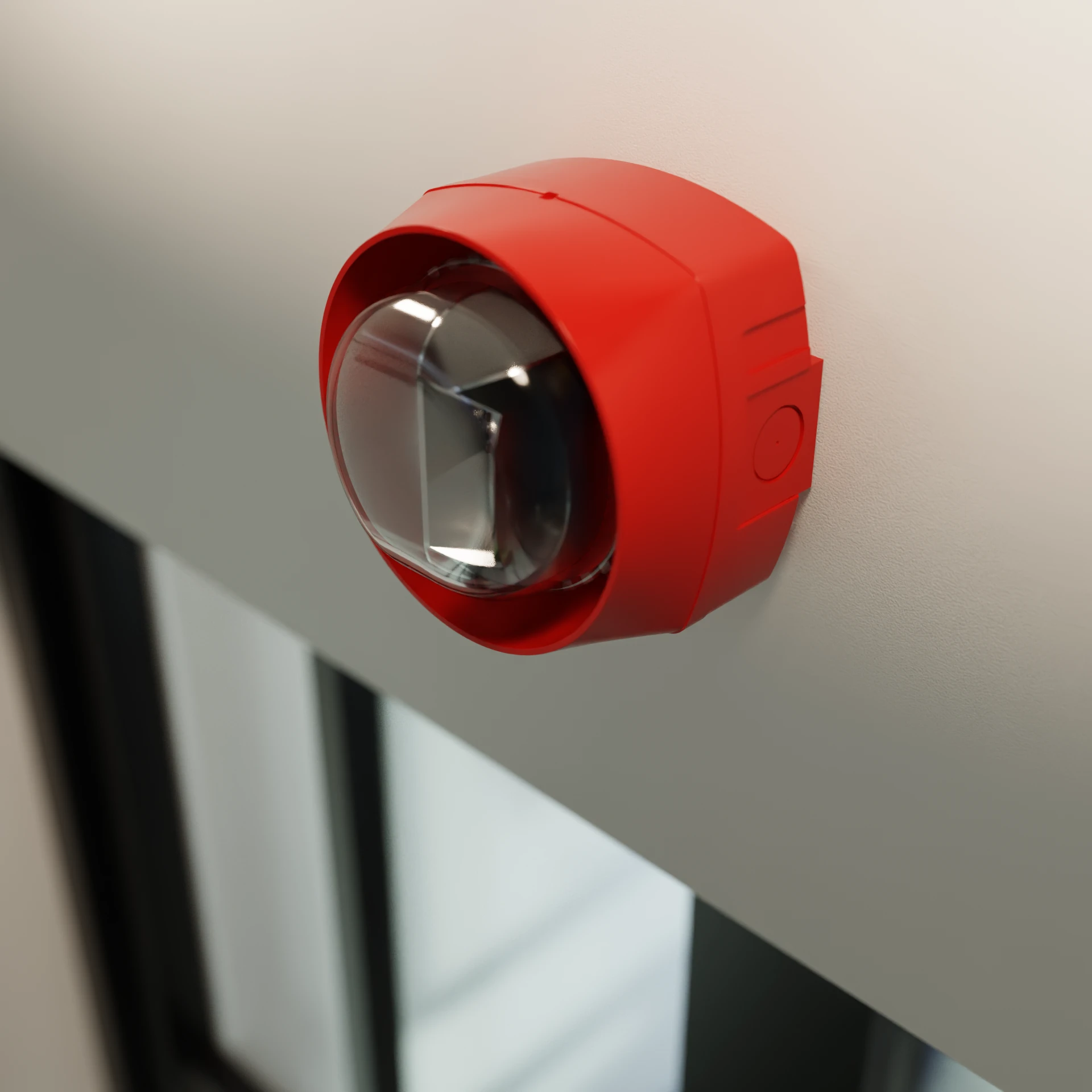
Sounder and VAD Placement
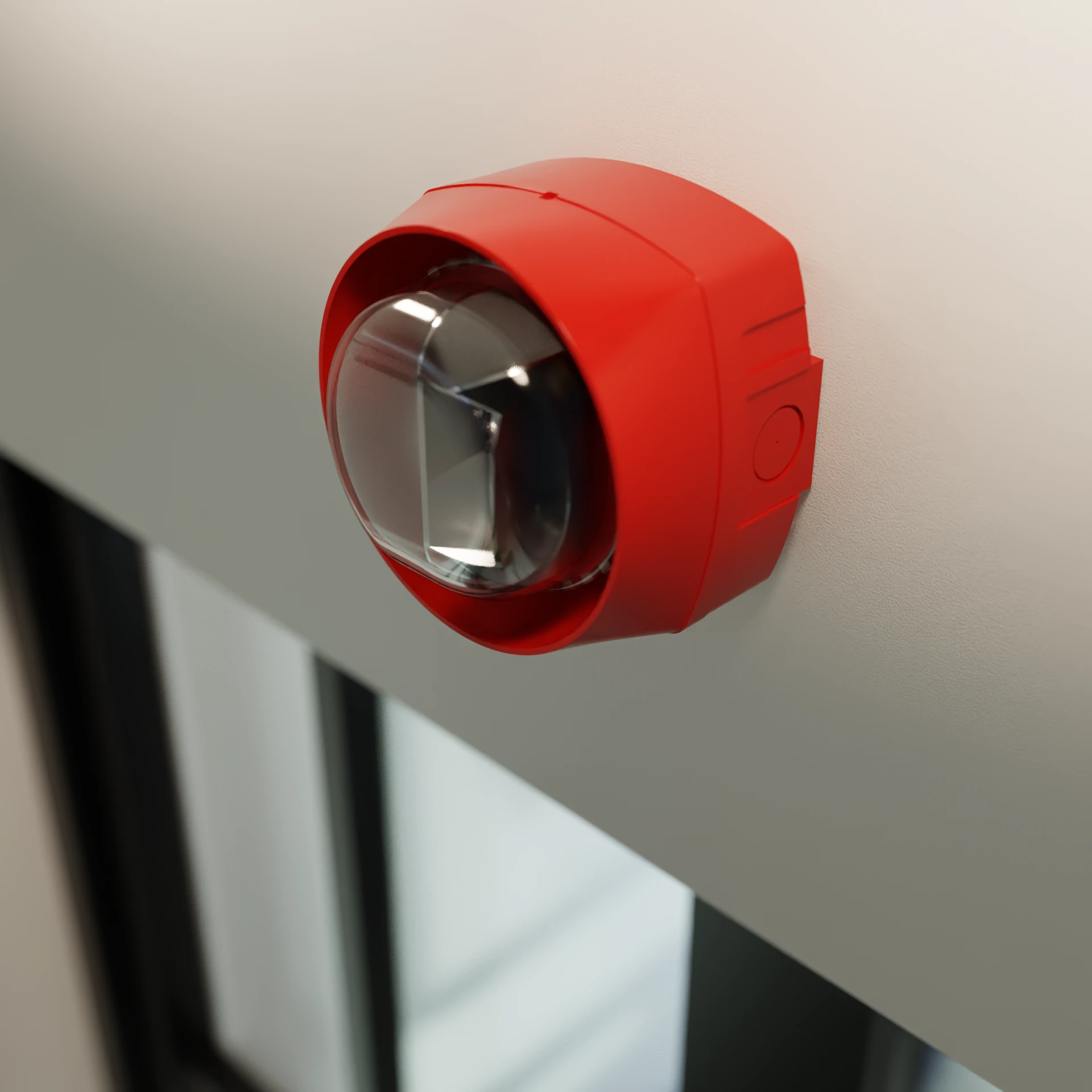
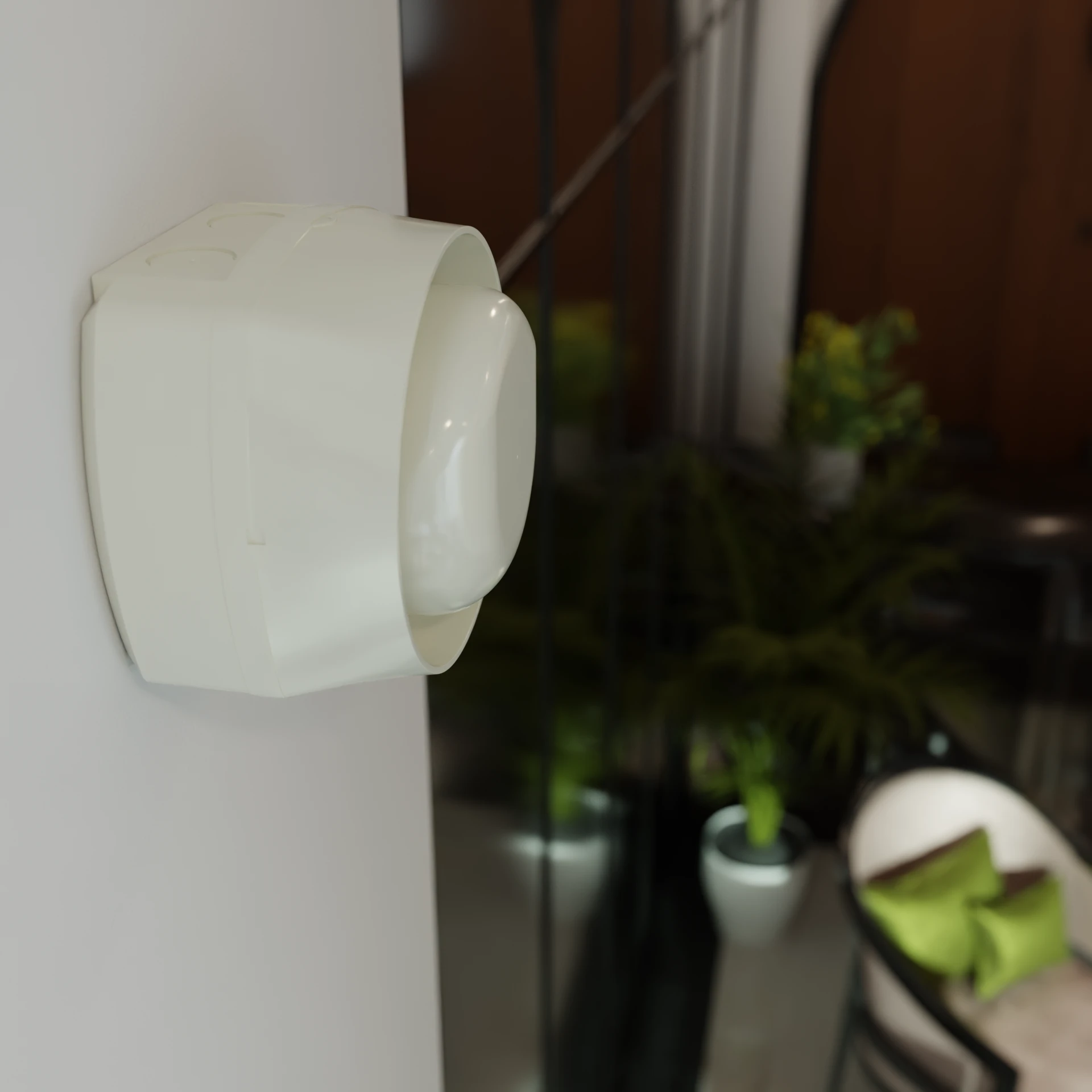
Sounders and visual alarm devices should be distributed to ensure alarms can be clearly heard and seen throughout guest room corridors, public areas and back-of-house spaces. Visual alarm devices are particularly important in guest rooms and bathrooms, where sleeping occupants or high ambient noise may affect audibility.
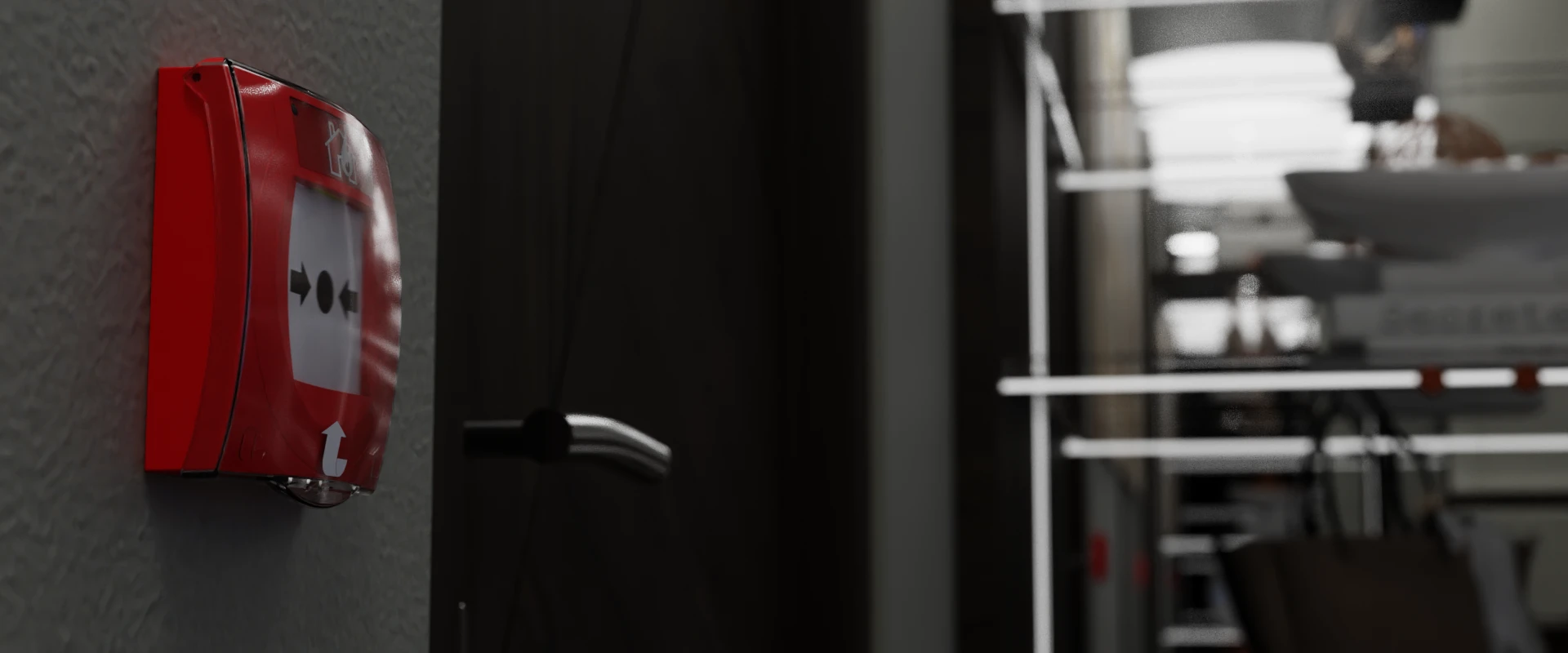
Manual Call Point Placement
Manual call points should be installed along escape routes, near final exits and at each floor landing, ensuring staff and guests can raise the alarm quickly and easily if a fire is discovered.
Why Choose Eurofyre?
- Diamond Partner
As Honeywell’s Diamond Partner and sole authorised distributor for SMS products in the UK and Ireland, Eurofyre provides direct access to genuine SMS SenTRI products, technical assistance and training. Find out what our Diamond Partnership means for your business.
- Complete System Supplier
- Eurofyre supplies all aspects of fire detection and its associated safety products, including SMS SenTRI Addressable Fire Detection, and can provide expert advice and consultation.
- Demonstration and Training
- Eurofyre offers demonstrations and expert training on a range of systems, including SMS SenTRI Addressable Fire Detection, in its own sophisticated training facility.
- After-Sales Support
- Eurofyre offers both on-site and telephone support to assist in ensuring that systems remain fully functional and operating at maximum efficiency.
For more information about SMS SenTRI Addressable Fire Detection, or to discuss any of the other products that Eurofyre have to offer, please feel free to get in touch either by phone on +44 (0) 1329 835 024, by email to [email protected] or via the online enquiry form situated on our contact page.
Don’t forget you can follow us on LinkedIn, and Instagram or sign up to our newsletter (in the footer below) to receive all the latest information from Eurofyre.