Data centres house the servers, storage and networking equipment that organisations rely on to process, store and distribute digital information. They range from small on-site server rooms and comms rooms to colocation facilities and large hyperscale sites, and they typically operate around the clock with a high concentration of valuable equipment in a relatively compact space.
Because so much depends on continuous operation, even a small fire can have consequences far beyond the immediate damage. Smoke contamination can affect sensitive electronics, an alarm may trigger a gas suppression discharge or controlled shutdown, and any downtime can lead to service outages, data loss and significant financial and reputational cost. Very early warning fire detection gives operators the opportunity to investigate and intervene at the earliest stage, helping to protect occupants, equipment and business continuity.
Risks
Data centres face a number of fire risks, including:
- Electrical Faults
- Power distribution units, switchgear, busbars and electrical connections carry high loads continuously. Loose connections, insulation breakdown or overloading can lead to overheating and ignition.
- Battery Systems
- Uninterruptible power supply (UPS) systems often use large battery banks, including lithium-ion batteries in many modern installations. Battery faults can lead to overheating, off-gassing and, in some cases, thermal runaway.
- Overheating Equipment
- High-density server racks generate significant heat. A failure in cooling equipment can cause temperatures to rise quickly, increasing the risk of component failure and fire.
- Cabling in Concealed Spaces
- Raised floors, ceiling voids and cable trays contain large volumes of power and data cabling. A fire starting in these spaces can develop unnoticed before it becomes visible in the data hall.
- Human Error
- Poor maintenance, improper installation of equipment or accidental obstruction of airflow can introduce unnecessary fire hazards.
Challenges
Designing effective fire detection for data centres involves several key challenges:
- High Airflow
- Cooling svystems create high air change rates, which can dilute smoke and carry it away from ceiling-mounted point detectors, delaying detection.
- Hot and Cold Aisle Containment
- Containment systems direct airflow in defined paths. Smoke may follow these paths rather than rising to the ceiling, which needs to be accounted for in detector and sampling point locations.
- Multiple Protected Spaces
- Data halls, raised floor voids, ceiling voids and individual cabinets may all require protection, often from a single, well-coordinated system.
- Unwanted Alarms
- Dust, construction work or equipment changes can cause unwanted alarms. In facilities where an alarm may initiate suppression or shutdown, false activations can be extremely costly.
- Restricted Access
- Security procedures and continuous operation can make it difficult to access detectors for routine testing and maintenance, particularly at high level or within voids.
Securiton Aspirating Smoke Detection Solutions
Securiton has been developing aspirating smoke detection (ASD) technology since 1970 and its SecuriSmoke range is widely used in demanding commercial, industrial and infrastructure environments. ASD works by continuously drawing air from the protected area through a network of sampling pipes and analysing it at a central detector, allowing smoke to be identified long before it would reach a conventional point detector.
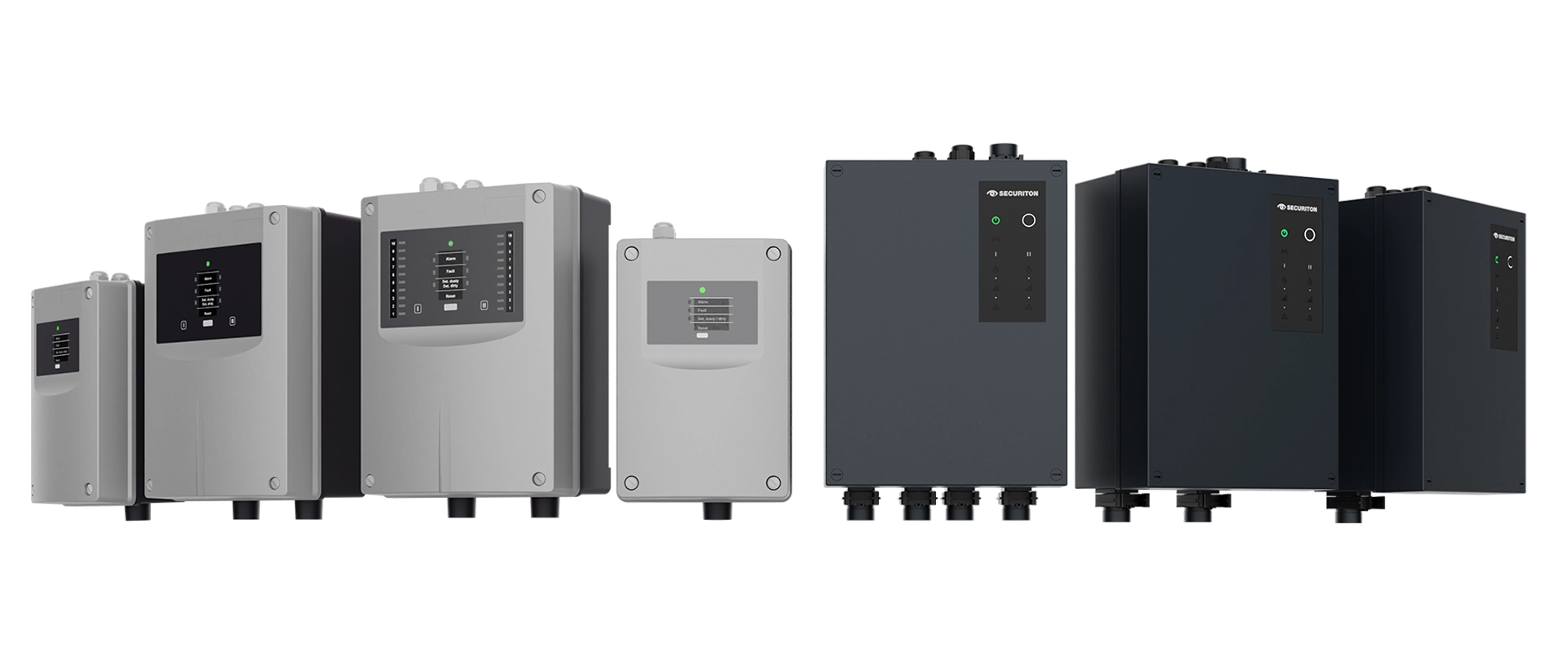
The established SecuriSmoke ASD 531, 532, 533 and 535 detectors continue to provide highly sensitive, continuous air sampling for a broad range of applications. The SecuriSmoke ASD 2000 is Securiton’s newest generation of aspirating smoke detector, developed as the successor to the ASD 535. Its pipe connection on the single and two-channel models fits existing SecuriSmoke installations, so older detectors can be replaced without the need to adapt the pipework.
SecuriSmoke ASD 2000
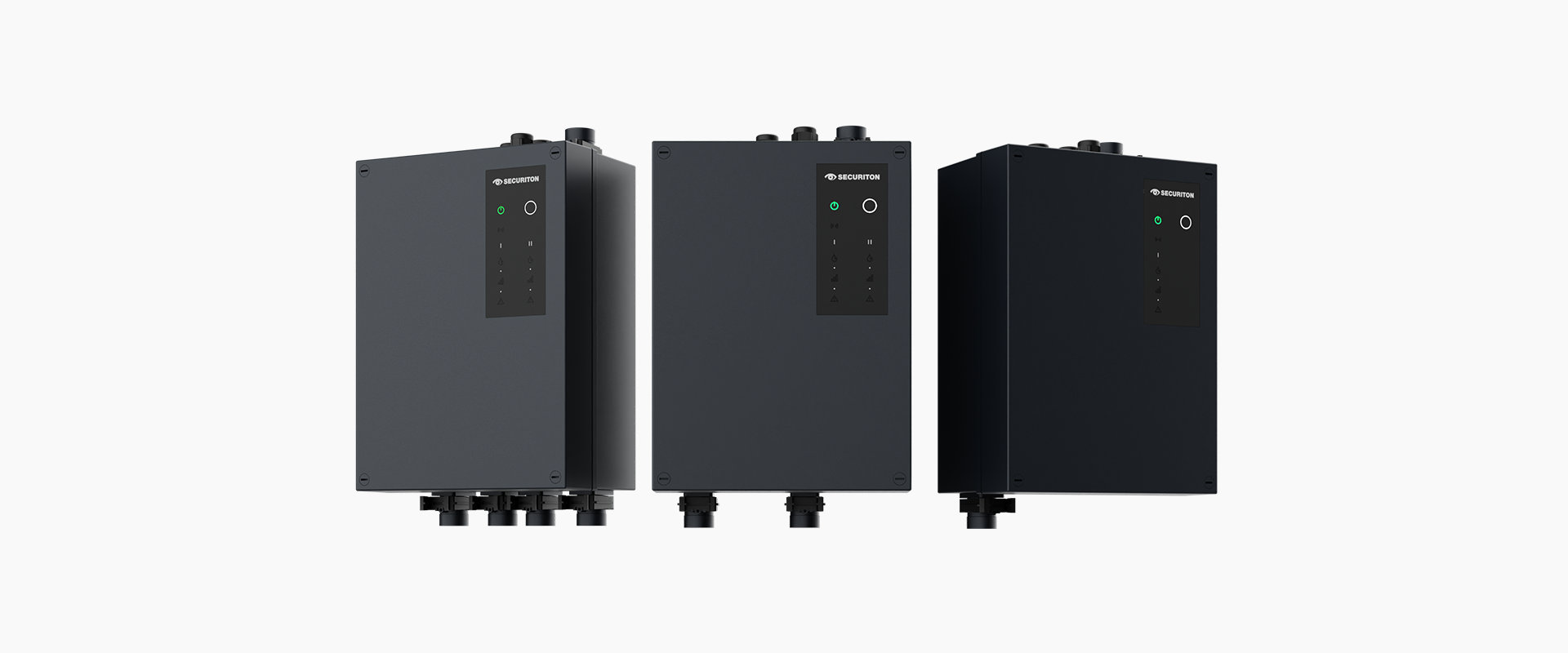
The SecuriSmoke ASD 2000 range is EN 54-20 compliant and comprises three models. The ASD 2001 is a single-channel unit suited to smaller areas or focused equipment protection, the ASD 2002 provides two independent channels, and the ASD 2004 offers four channels with two smoke sensors for large or complex installations where multiple zones and high availability are required.
The range offers alarm thresholds down to 0.01%/m, with a maximum sensitivity of 0.001%/m, and can be configured to EN 54-20 Class A, B or C. Class A, which provides the highest sensitivity and earliest warning, supports up to 62 sampling holes, making the ASD 2000 well suited to data halls and other critical spaces. The ASD 2001 supports up to 400m of aggregate pipe, while the ASD 2002 and ASD 2004 each support up to 700m, with a maximum of 400m per channel or per smoke sensor.
A three-stage filter, comprising a coarse mesh filter, a centrifugal separator and a digital lint filter, helps to protect the smoke sensor and reduce unwanted alarms. Each channel is monitored by an ultrasonic airflow sensor that is unaffected by dust build-up or temperature changes and can identify blockages, leaks and fan faults. At just 21 dB(A), the ASD 2000 is also exceptionally quiet, which can be an advantage in data centres with staffed areas or adjoining control rooms.
Commissioning, configuration, live status, testing and fault diagnosis are carried out through the MobileConfig app, while PipeFlow 3D software is used to design and calculate EN 54-20 compliant pipe networks.
Approvals



Design Considerations
Control Panel Placement
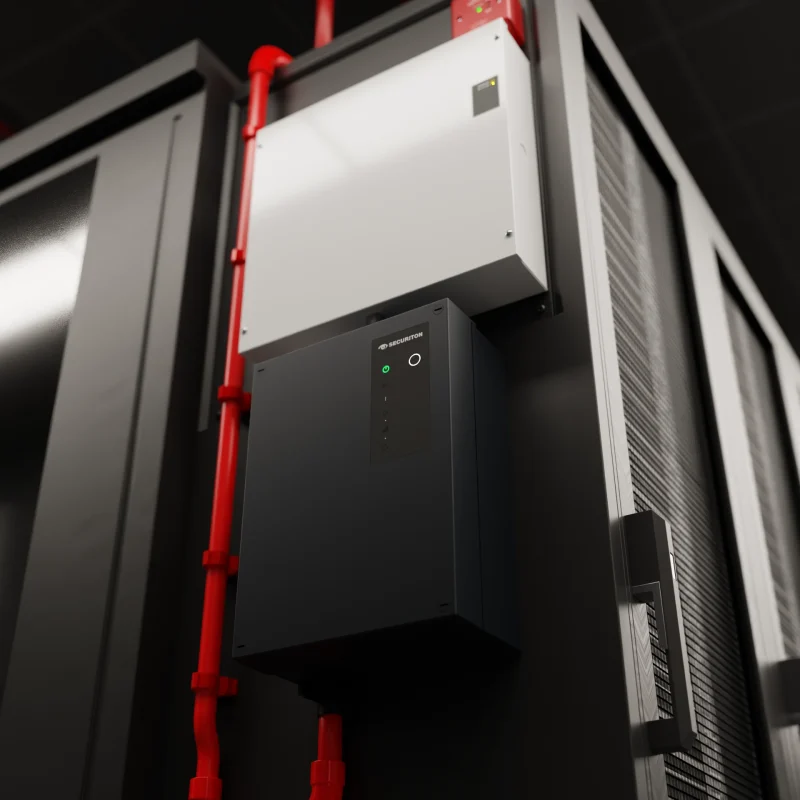
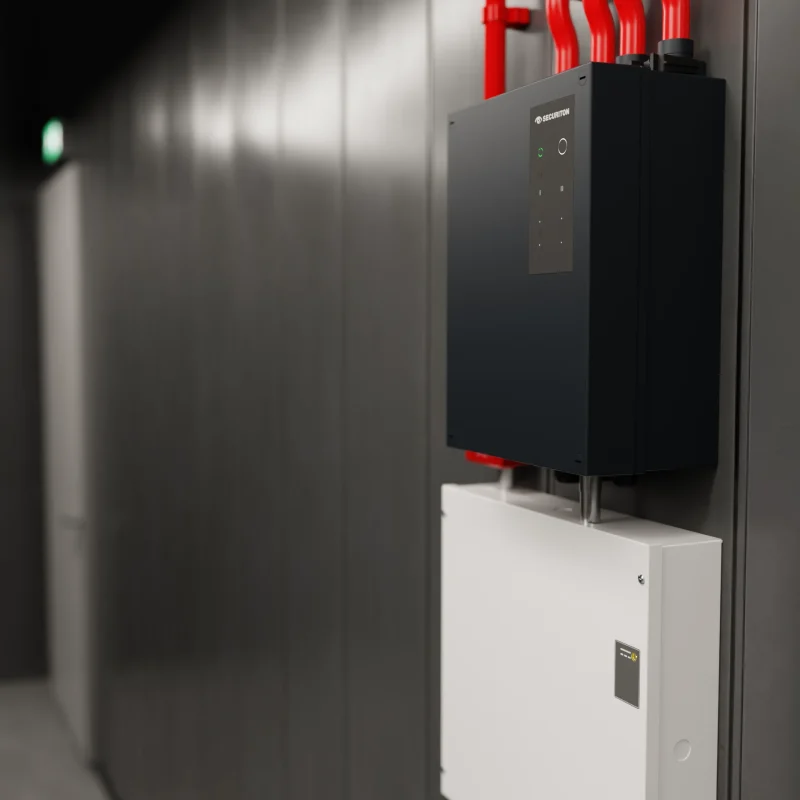
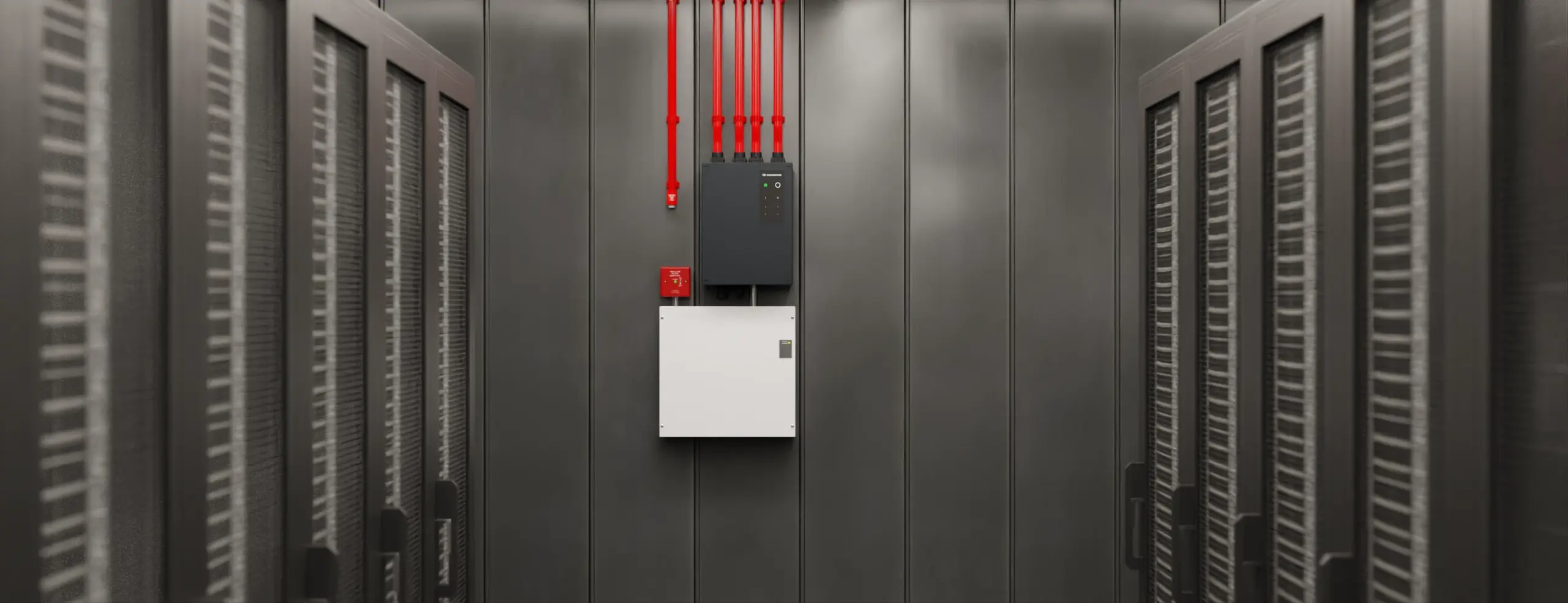
The ASD 2000 detector should be installed in an accessible location close to the protected area, such as a plant room, comms room or the perimeter of the data hall, where engineers can view status indicators and carry out maintenance without entering secure or operationally sensitive areas. Keeping the detector close to the protected space also helps to minimise pipe lengths and transport times, which is particularly important for Class A applications.
The ASD 2001 is well suited to smaller server rooms or individual zones. In larger facilities, the four-channel ASD 2004 allows separate areas, such as the data hall, raised floor void and ceiling void, to be monitored from a single detector location while still identifying which channel has detected smoke. The front panel and internal components can also be installed inverted, giving greater flexibility where mounting positions are limited.
Pipe & Fittings Placement
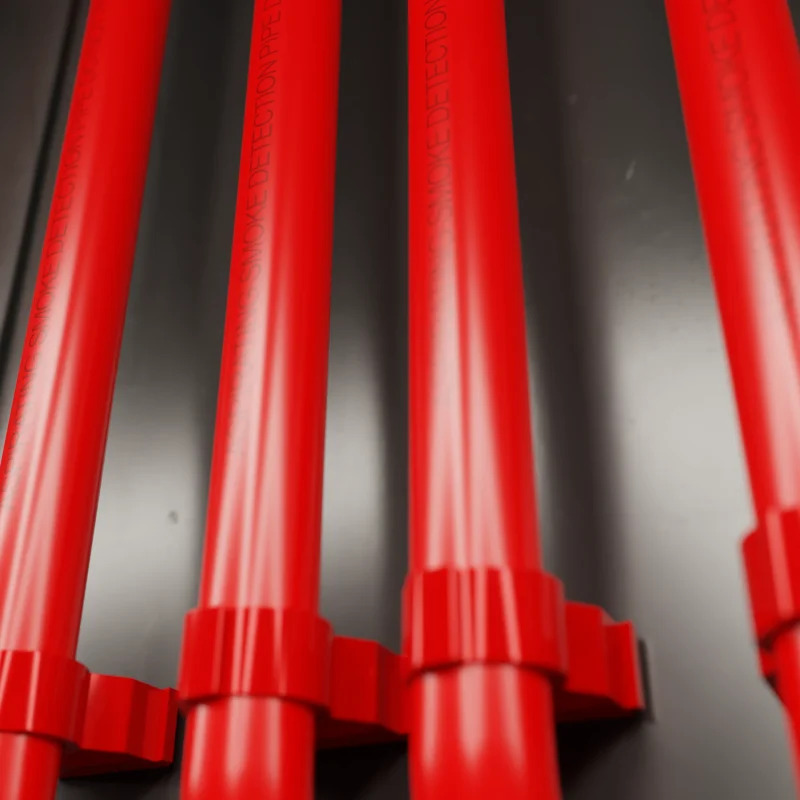
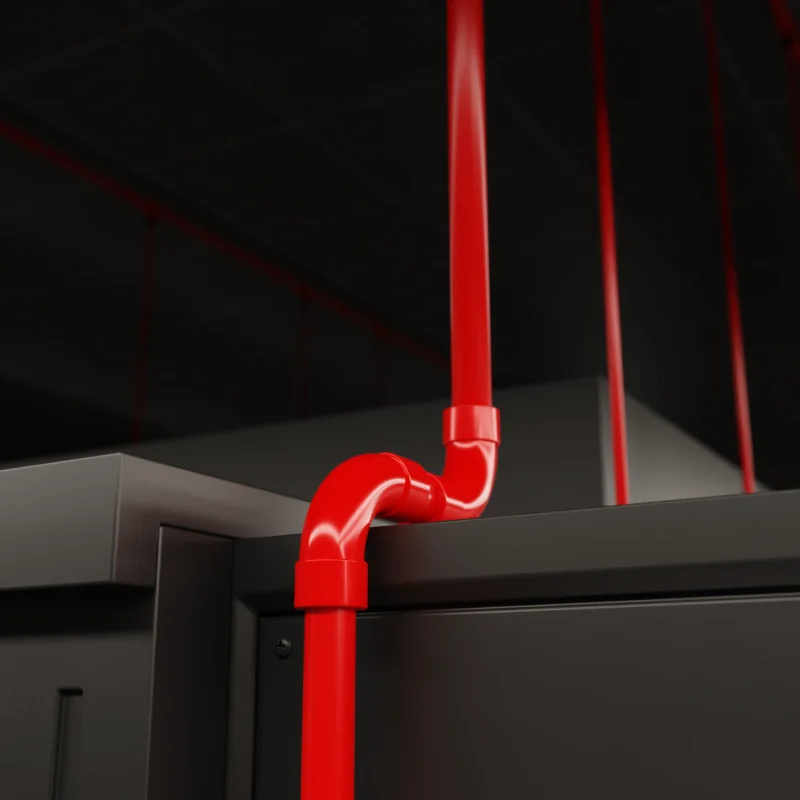
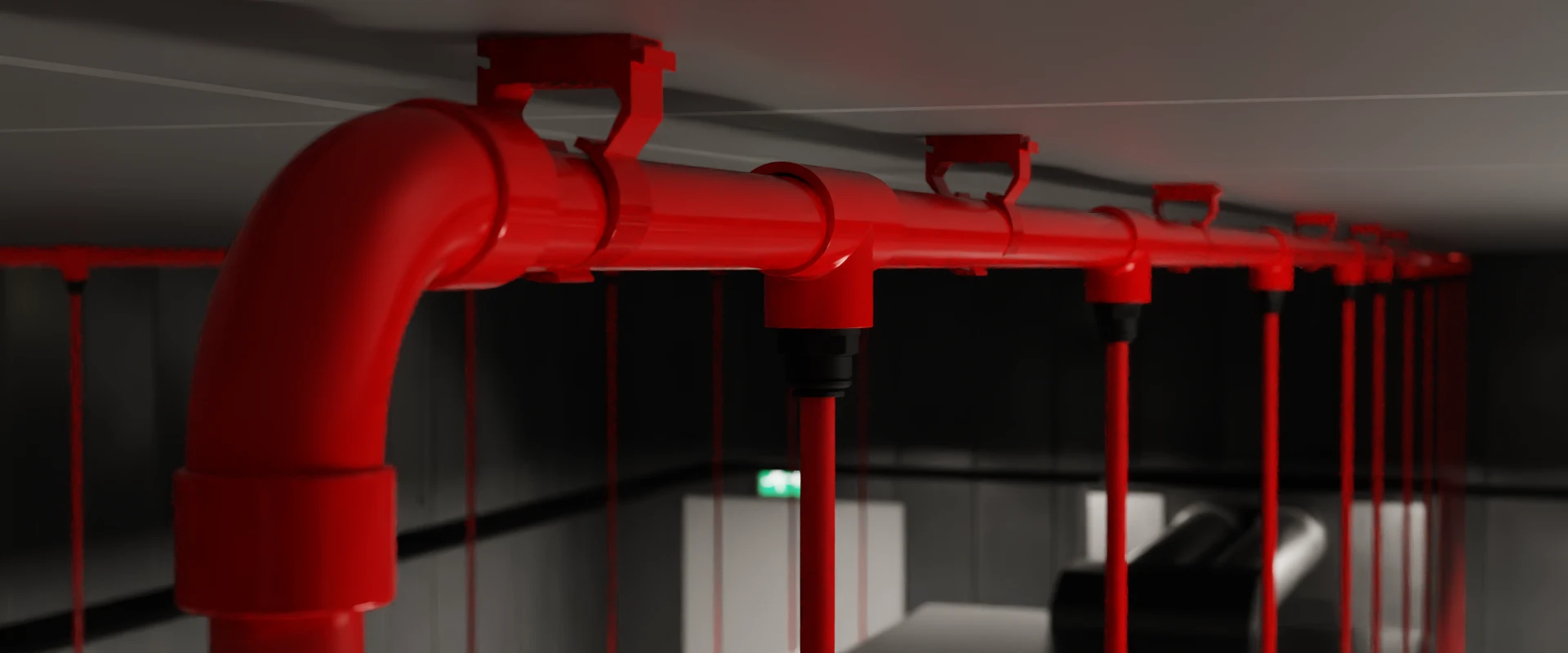
Pipe networks should be designed around the airflow patterns created by the cooling system rather than relying on smoke rising naturally to the ceiling. Sampling points are typically located at return air paths, such as cooling unit intakes and return grilles, as well as across the ceiling of the data hall and within hot aisle containment, where smoke is most likely to be carried.
Raised floor voids and ceiling voids containing cabling should be protected with dedicated pipe runs, ideally on separate channels so that the location of a smoke event can be identified quickly. PipeFlow 3D should be used to confirm that pipe lengths, sampling hole sizes and transport times meet the required EN 54-20 class.
Low Level Maintenance
Capillary sampling points allow air to be sampled from below suspended ceilings or from within cabinets while the main pipe network remains concealed in the void above. They provide a discreet finish and help to ensure that smoke is drawn from the areas where a fire is most likely to start. Sampling points should be positioned to reflect rack layouts, airflow direction and potential fire sources, and should remain accessible for inspection and cleaning.
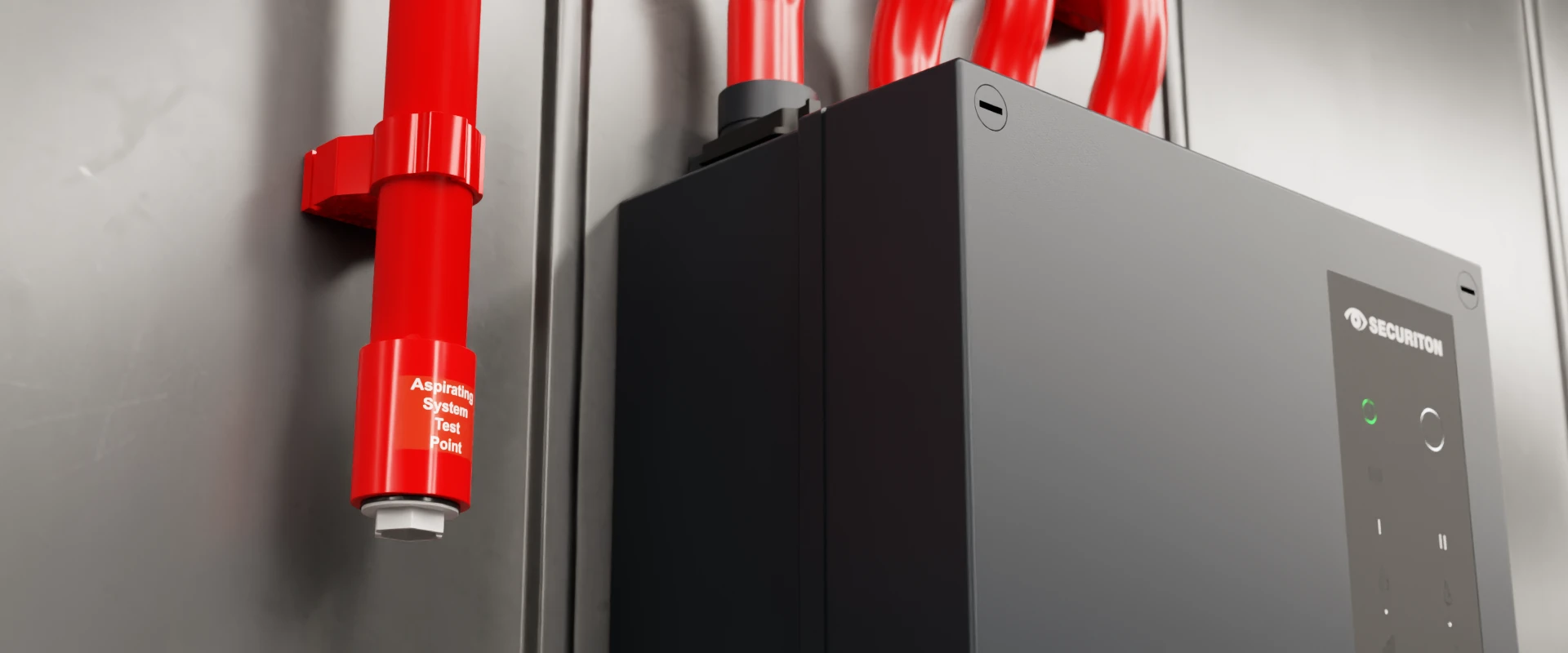
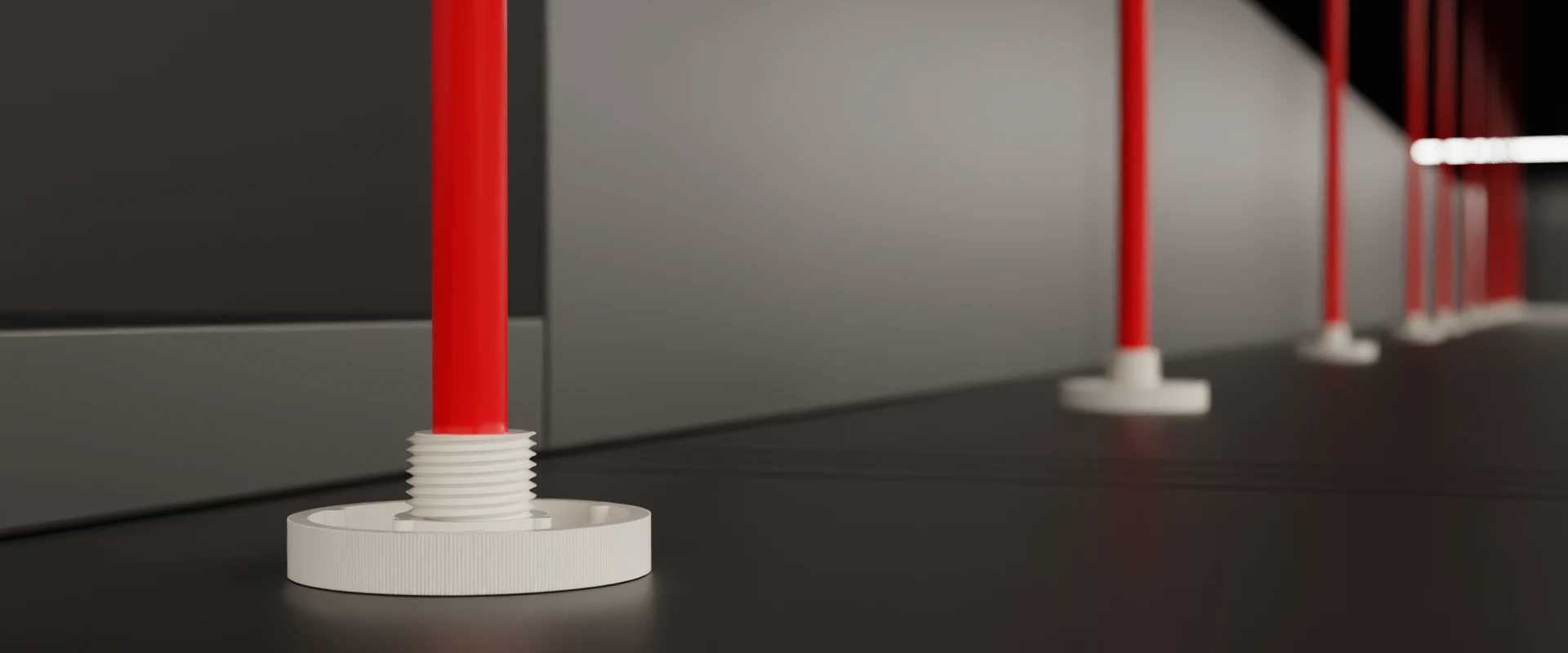
A dedicated test point fitted at the end of a pipe run allows engineers to introduce test smoke or check airflow from an accessible position, typically at floor level. This confirms that smoke is being transported through the full length of the pipe network without the need to work at height or enter restricted areas, reducing maintenance time and minimising disruption to operations.
Why Choose Eurofyre?
- Securiton Gold Partner
- Eurofyre’s Gold Partner status with Securiton reflects a proven level of commitment, product expertise and customer support across the full SecuriSmoke range.
- Complete System Supplier
- Eurofyre supplies all aspects of fire detection, allowing customers to source Securiton aspirating smoke detection alongside the wider range of products needed for a complete system.
- Pipework Design
- Eurofyre’s technical team provides professional design support for aspirating pipe networks, helping to achieve optimum system performance and a quality installation.
- Demonstration and Training
- Eurofyre offers demonstrations and expert training on Securiton systems from its sophisticated training facility.
- After-Sales Support
- Eurofyre provides on-site and telephone assistance to help ensure Securiton systems remain fully operational and performing at their best.
For more information on Securiton ASD 2000 Aspirating Smoke Detectors or to explore our full range of products, please contact us by phone on +44 (0) 1329 835 024, by email at [email protected], or via the enquiry form on our contact page.
Don’t forget you can follow us on LinkedIn, and Instagram or sign up to our newsletter (in the footer below) to receive all the latest information from Eurofyre.