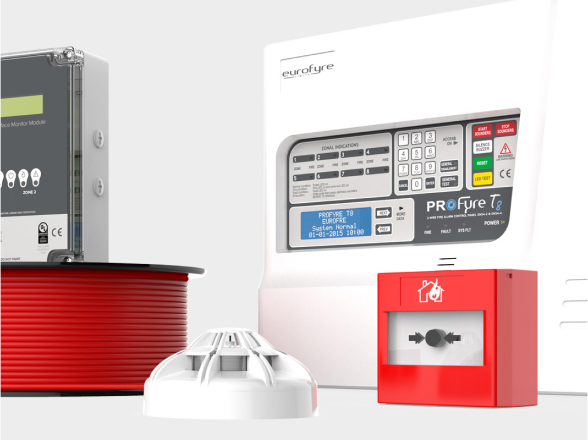
Fire Industry’s Utilisation of Wireless Architectural Solutions
Technological advancements continue to shape the fire safety landscape, with wireless architectural solutions playing a pivotal role in the solutions now available to us. Since wireless communication first gained traction in the early 2000s, the concept of wireless fire detection was seen as a solution that could ease many of the challenges faced in fire […]
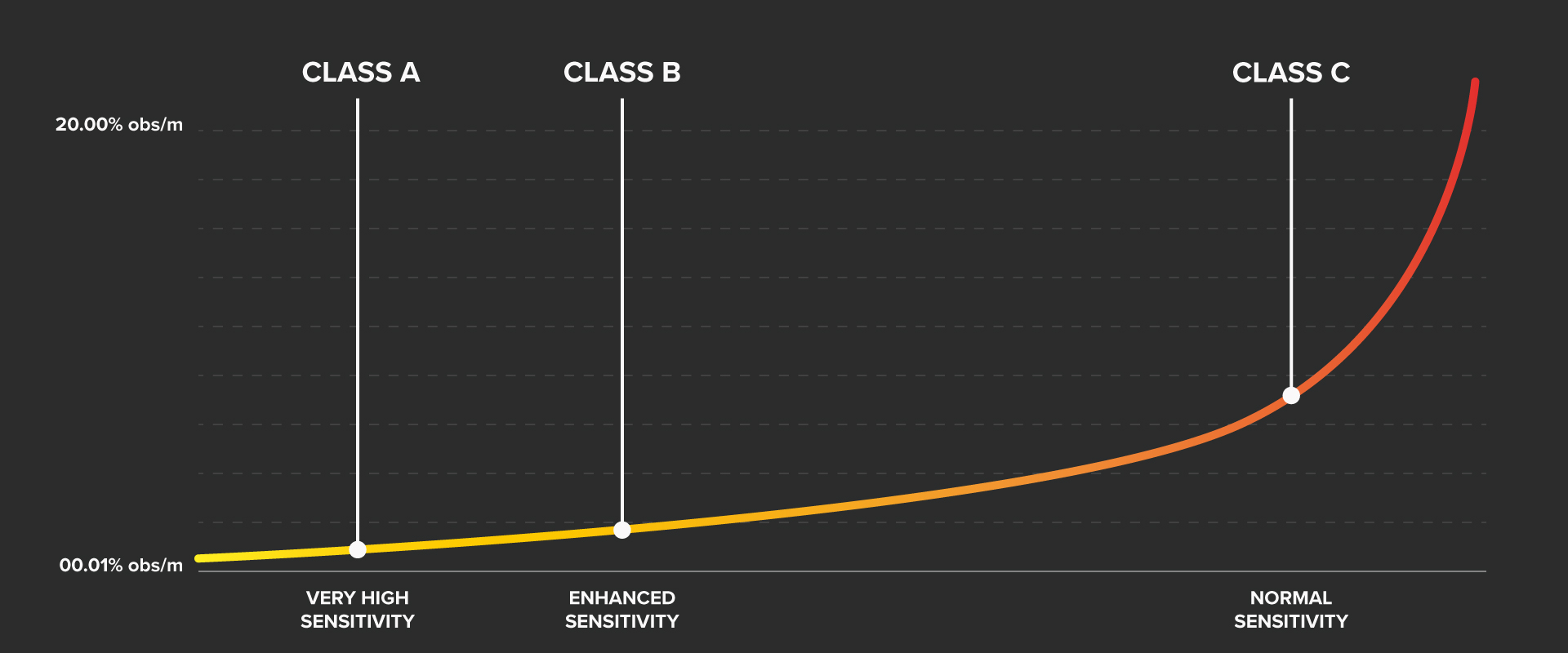
Understanding EN54-20 Aspirating Smoke Detection Sensitivity Classes
Among the many innovations in fire detection over recent years, aspirating smoke detection stands out for its unparalleled sensitivity and early warning capabilities. Unlike traditional fire detectors, aspirating systems excel in detecting minute traces of smoke particles, offering swift responses and heightened protection. Discreet and reliable, aspirating systems have transformed fire safety engineering, ensuring enhanced […]
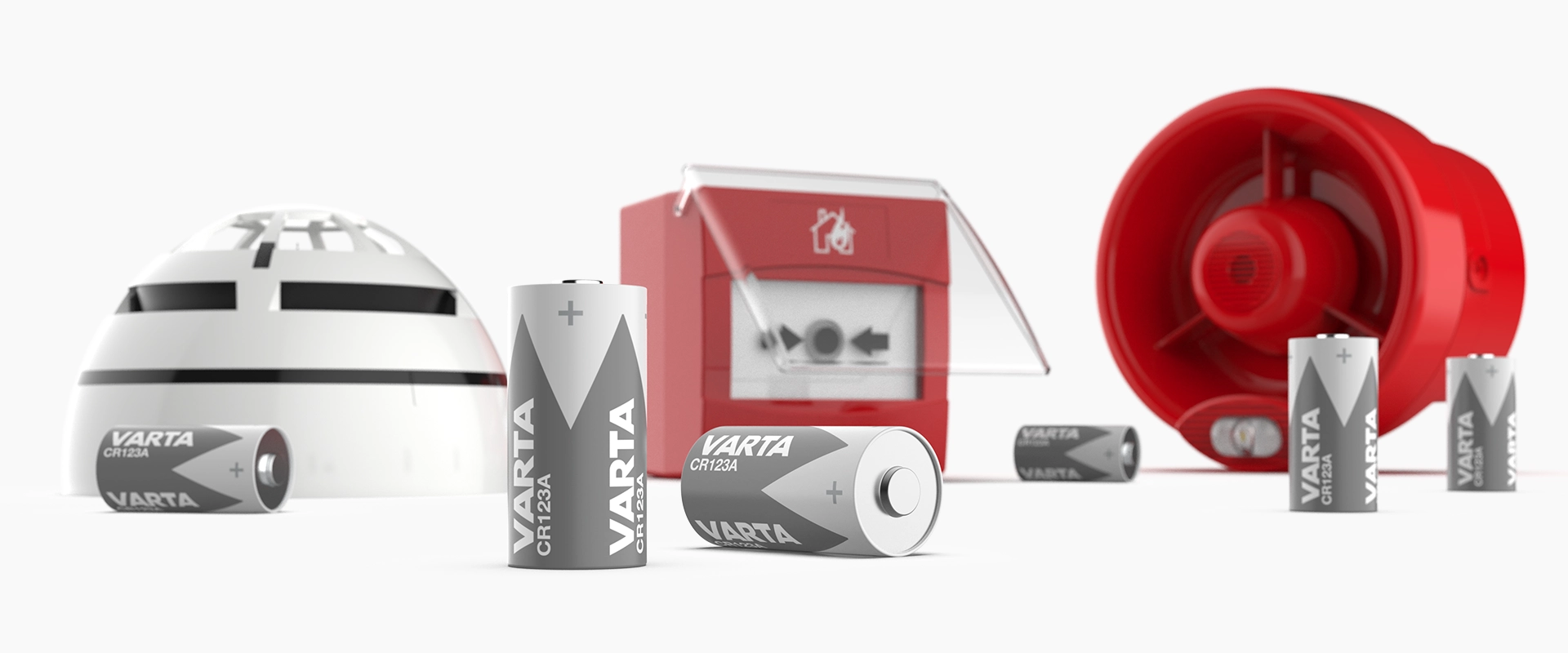
Wi-Fyre Xenos Battery Technology
Wireless fire detection systems offer numerous benefits over their traditional hardwired counterparts, most notably easy installation, flexibility and enhanced integration capabilities. The many advantages of wireless technology, as well as ongoing advancements in the field in terms of battery-life, reliability and scalability, make wireless fire detection systems like Wi-Fyre Xenos an increasingly popular choice for […]

East Village – FyreLine Digital Linear Heat Detection Case Study
East Village, located in Stratford, London, is a dynamic and evolving neighbourhood. Emerging from the 2012 Olympic Games, it is a blend of modernity and history. East Village is a mix of contemporary buildings nestled alongside the iconic Olympic Park.
Wi-Fyre Xenos Total Cost of Ownership
Despite wireless detection being a well established and reliable type of fire detection, many still have concerns about its ability to deliver a permanent and dependable solution. These concerns are usually based around signal strength issues and battery life. In earlier wireless systems, these concerns were valid; technology was not advanced enough to deliver the […]