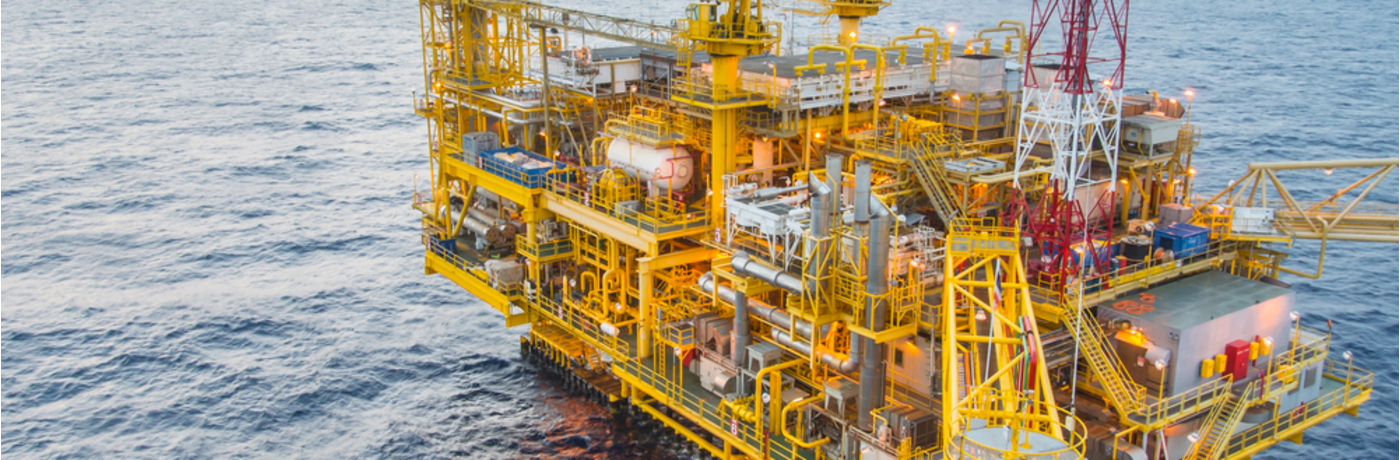
Using VSD and ASD Technology in a Petrochemicals Plant
Petrochemicals are chemical products derived from petroleum or natural gas. There are two common classes of petrochemicals; olefins (including ethylene and propylene) and aromatics (including benzene, toluene and xylene isomers). As you may expect, the production of petrochemicals such as these poses very high risk of fire.
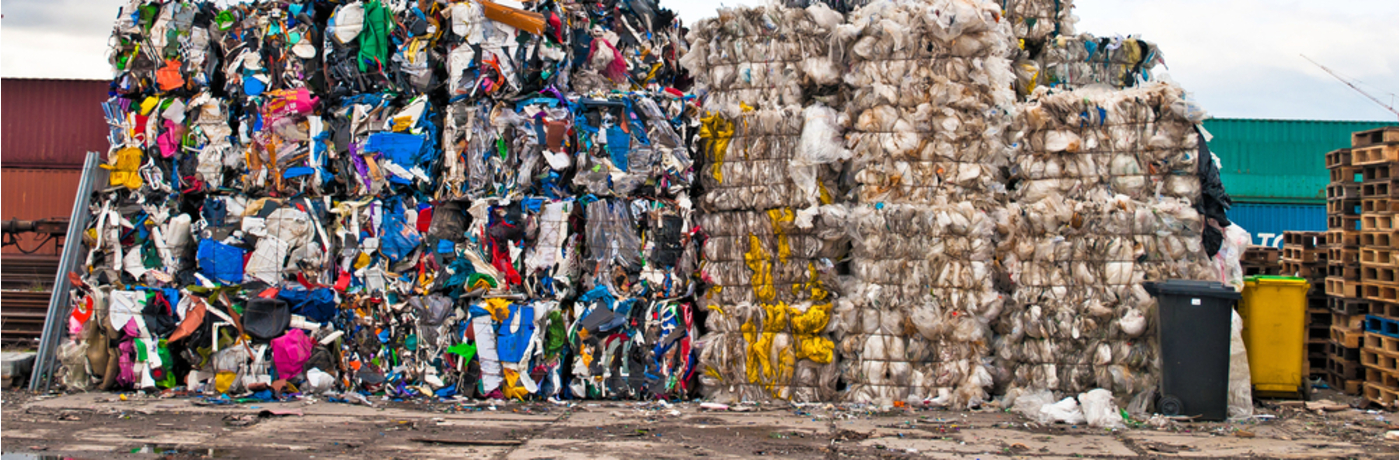
Early Warning Smoke Detection in Waste Recycling Facilities
For many years, waste, trash and household garbage has been gathered and deposited into landfill sites. As time passes and the population increases we are left with more and more waste causing landfills to become full. As a result, waste management services, which involve assorted recycling or reuse programs, are becoming more widely used. In some countries this service includes incineration of waste where garbage is often stored in ‘Waste Bunkers’ or transfer stations before it is sent to be dealt with.
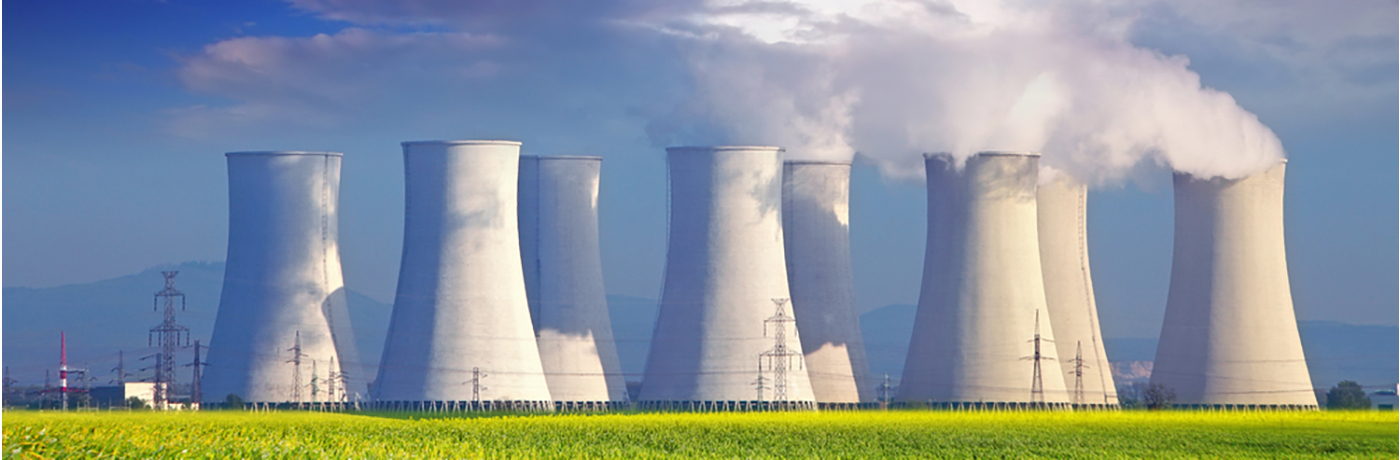
Using Video Smoke Detection Technology In Power Stations
A Power Station, or Power Plant, is a facility in which electricity is generated by converting mechanical energy into electrical energy. Typically consisting of one or more generators, power plants use energy, such as that created by burning fossil fuels like coal, oil and natural gas or nuclear power, to rotate and create relative motion between a conductor and a magnetic field.

Aspirating Smoke Detection Sampling Types Continued…
In June last year we published an article to introduce the types of aspirating smoke detection that are available. During the article we outlined five different approaches to aspirating smoke detection: primary sampling, secondary sampling, localised sampling, in-cabinet sampling and duct sampling, before going on to introduce primary and secondary sampling in more detail. For this article, we want to pick up where we left off and talk about the remaining three types of sampling in further detail; localised air sampling, in-cabinet air sampling and duct air sampling.

Using VSD Technology In Manufacturing Facilities
The term “manufacturing facility” lends itself to a host of different applications, usually consisting of large buildings containing machinery or commonly complexes consisting of multiple buildings. Most modern manufacturing facilities, also known as factories or manufacturing plants, have large warehouses or warehouse-like facilities that house heavy, electrical or mechanical equipment and it is with these factors that increased risk of fire becomes a challenge.