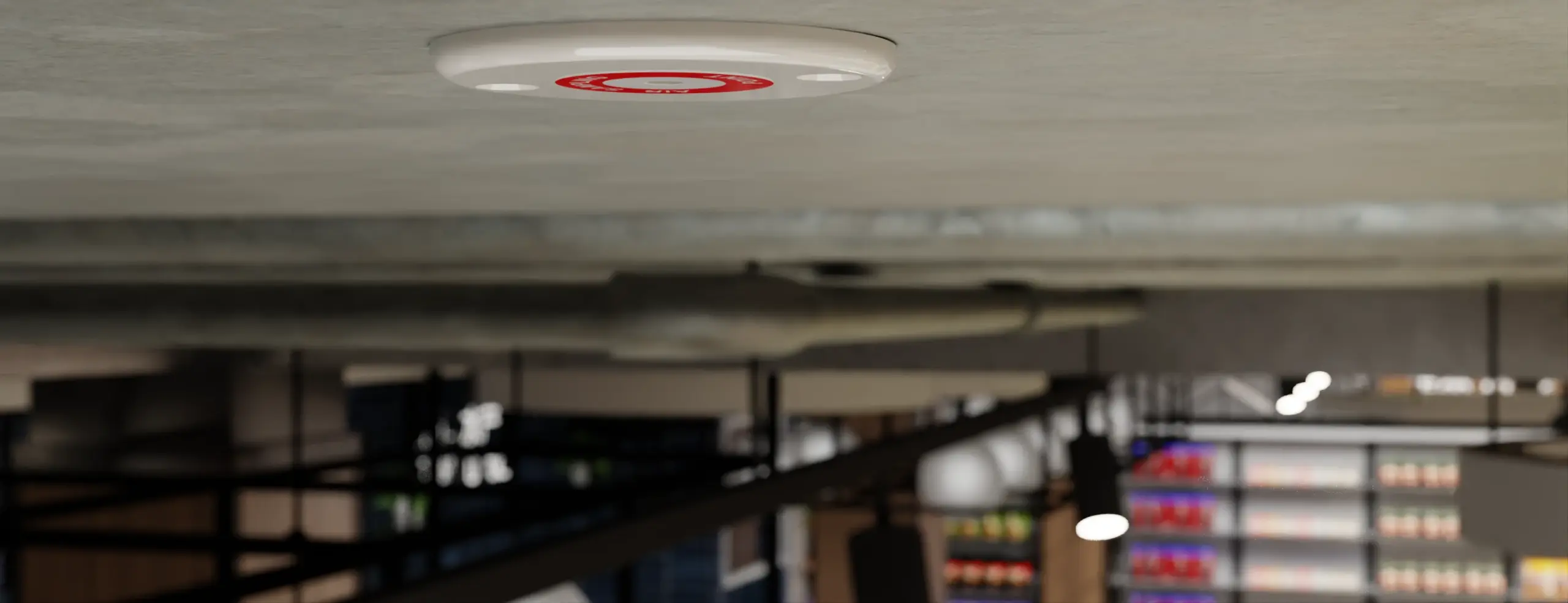
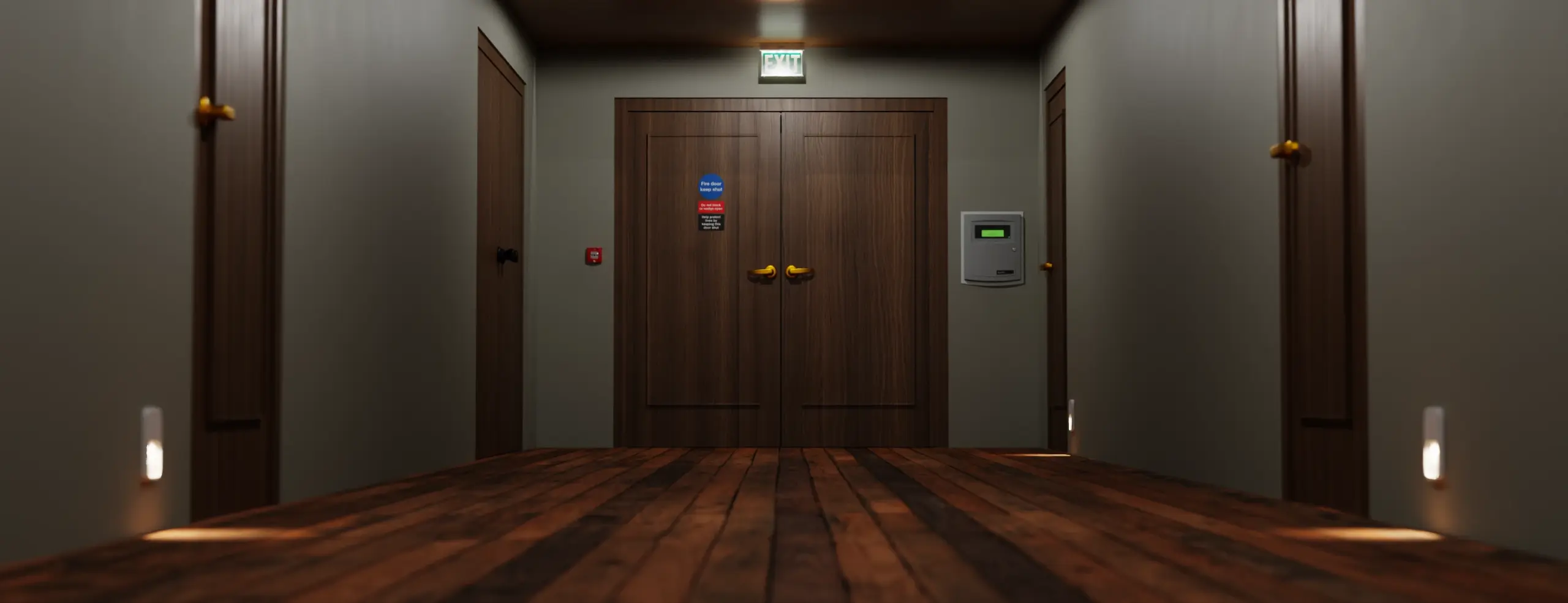
Retail stores range from small high street shops and convenience stores to large supermarkets, department stores and out-of-town retail warehouses. Beyond the shop floor, many also include stockrooms, loading bays, bakeries, cafés, refrigeration, plant rooms and back-of-house offices, and they welcome large numbers of customers and staff throughout long opening hours.
Fire detection plays a vital role in protecting customers, staff and stock in these busy environments. Even a small fire can lead to the evacuation of a store, the loss of high-value stock through fire and smoke damage, and extended closures that affect trading and customer confidence. Early detection helps to ensure that fires are identified and dealt with quickly, supporting safe evacuation and minimising disruption to business continuity.
Risks
Retail stores face a number of fire risks, including:
- Electrical Equipment
- Lighting, tills, display screens, refrigerated cabinets and charging points operate for long periods, and faults or overheating can create ignition sources on the shop floor and behind the scenes.
- Stockrooms and Packaging
- Cardboard, plastic wrapping and pallets are stored in large quantities in stockrooms and loading areas, providing a significant fire load that can allow a fire to spread quickly.
- In-Store Food Preparation
- Bakeries, hot food counters and cafés introduce ovens, fryers and other cooking equipment into the store, along with associated grease and heat.
- Refrigeration and Plant
- Refrigeration compressors, air handling units and other plant equipment run continuously and can overheat or develop electrical faults if not properly maintained.
- Arson
- Stockrooms, external bin stores and areas of the store with limited supervision can be vulnerable to deliberate fire setting, both during and outside opening hours.
Challenges
There are several challenges to consider when designing a fire detection system for retail stores, including:
- High Ceilings and Open Spaces
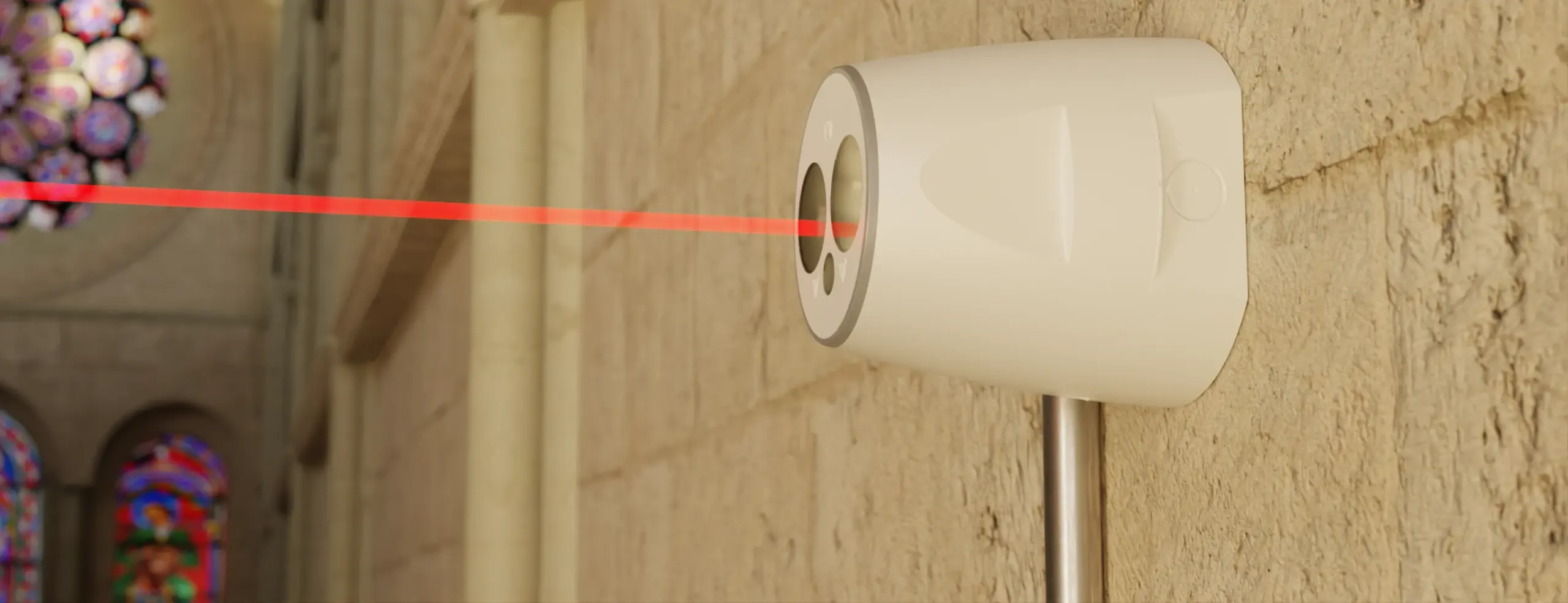
- Large-format stores and retail warehouses often have high ceilings and wide open floor areas, where smoke can dilute or stratify before reaching ceiling-mounted point detectors.
- Airflow and Ventilation
- Heating, ventilation and air conditioning systems, refrigerated aisles and frequently opened entrance doors can disperse smoke and delay detection by conventional devices.
- Aesthetics and Store Layout
- Retailers place great importance on store presentation, and visible detection equipment can conflict with ceiling finishes, lighting and display layouts that are often changed between seasons.
- Maintenance Access
- Accessing detectors above shelving, racking and checkouts can require specialist access equipment and may need to be scheduled outside trading hours to avoid disrupting customers.
- Unwanted Alarms
- Dust from stock deliveries, exhaust from forklifts in loading bays, and steam and cooking fumes from food preparation areas can all trigger unwanted alarms with some detection technologies.
Securiton Aspirating Smoke Detection Solutions
Aspirating smoke detection (ASD) continuously draws air samples from the protected area through a network of sampling pipes to a central detector, where the air is analysed by highly sensitive smoke sensors. As a result, very low concentrations of smoke can be identified long before they would reach or activate conventional point detectors, providing very early warning of a developing fire.
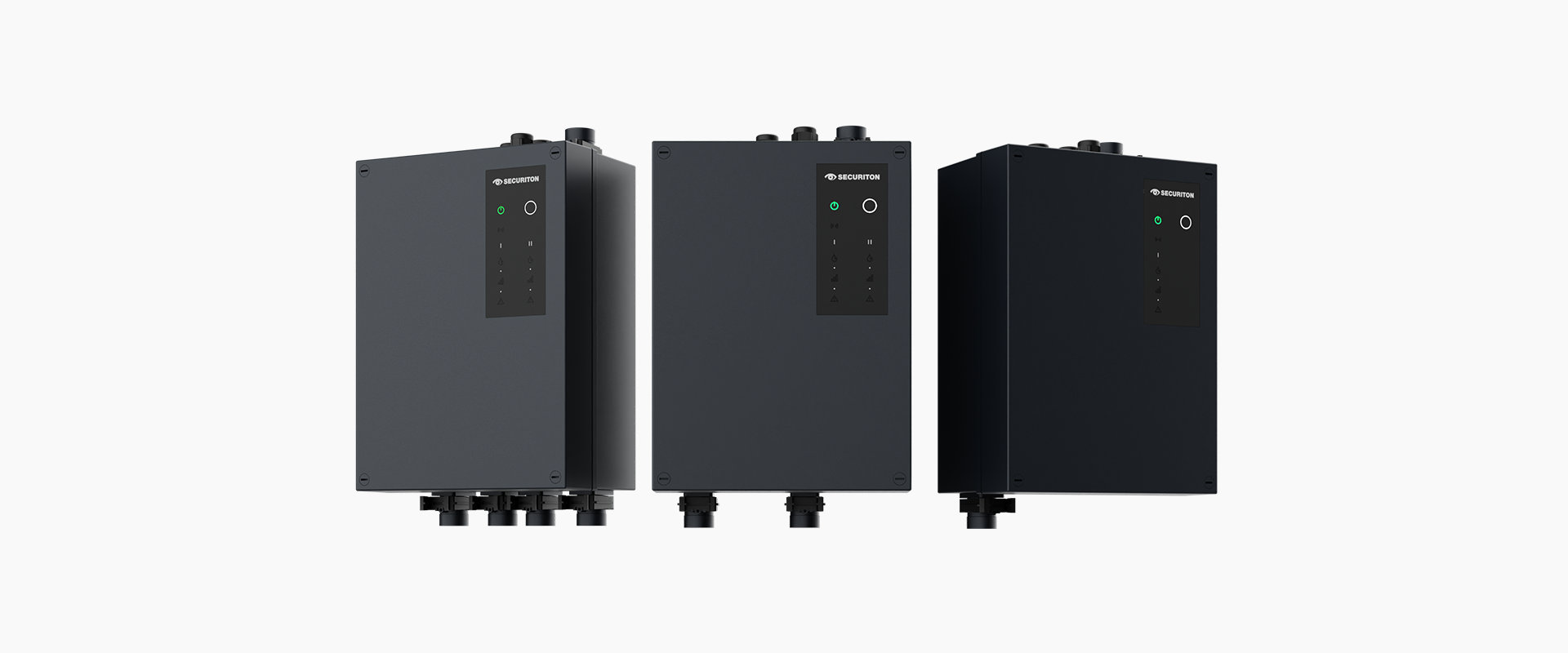
Securiton, a Swiss specialist in aspirating smoke detection, developed the SecuriSmoke ASD 2000 range as its latest generation of ASD technology. The range combines high detection performance with a digital approach to design, commissioning and maintenance, making it well suited to large and demanding retail environments.
SecuriSmoke ASD 2000
The SecuriSmoke ASD 2000 range includes three models: the single-channel ASD 2001, the two-channel ASD 2002 and the four-channel ASD 2004. Depending on the model and EN 54-20 sensitivity class selected, aggregate pipe lengths of up to 700 metres are supported, allowing a single detector to protect large sales floors, stockrooms and loading areas from one central location.
Alarm thresholds can be set as low as 0.01 percent per metre, with a maximum sensitivity of 0.001 percent per metre, supporting very early warning and staged alarm responses. Each sampling channel is monitored by an ultrasonic airflow sensor that remains stable in dusty conditions and during temperature changes, helping to identify blockages or leaks in the pipe network quickly. A three-stage filtration system, including a centrifugal separator, protects the detection chamber from contaminants and helps reduce the risk of unwanted alarms.
The range operates at just 21 dB(A), so detectors can be installed close to customer areas without causing disturbance. Commissioning, configuration and diagnostics are carried out through Securiton’s MobileConfig app with cloud-based access management, reducing the tools and time needed on site, while modular internal components allow servicing without special tools.
Approvals




Design Considerations
Control Panel Placement
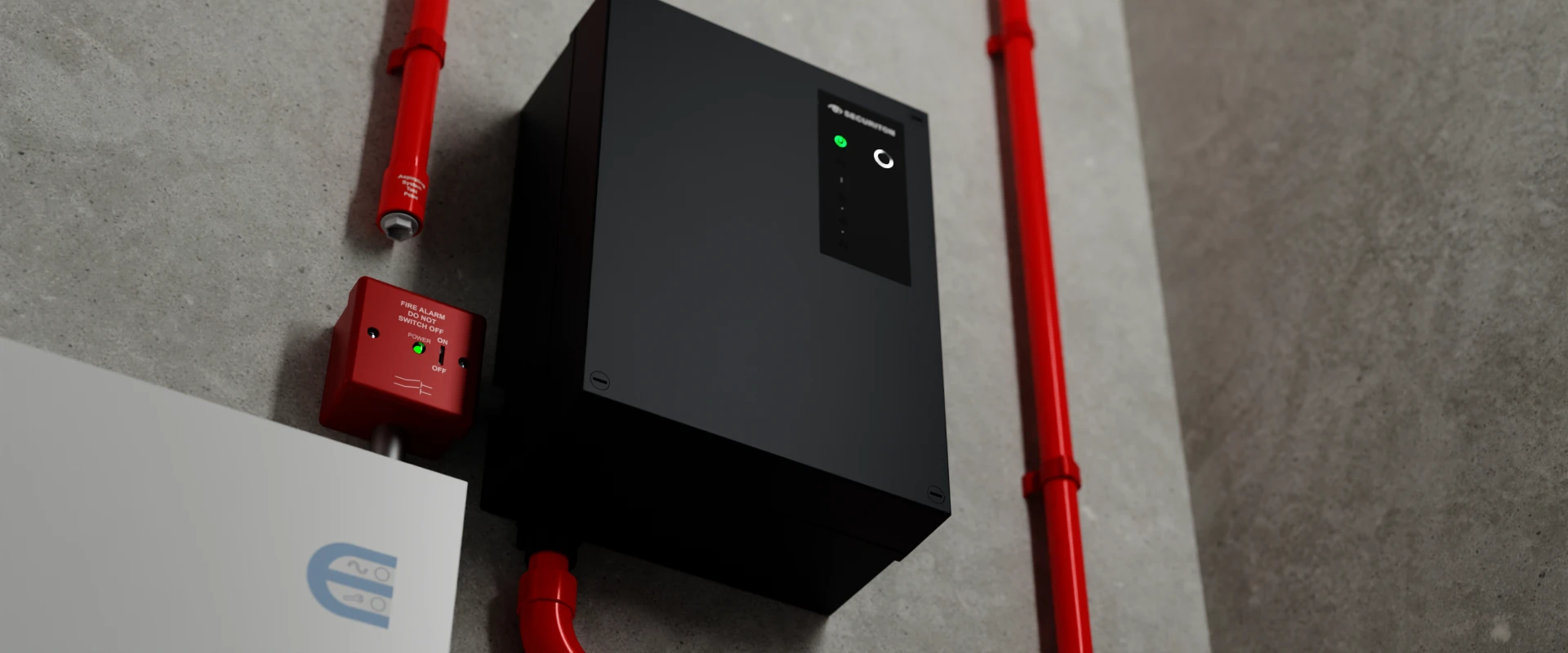
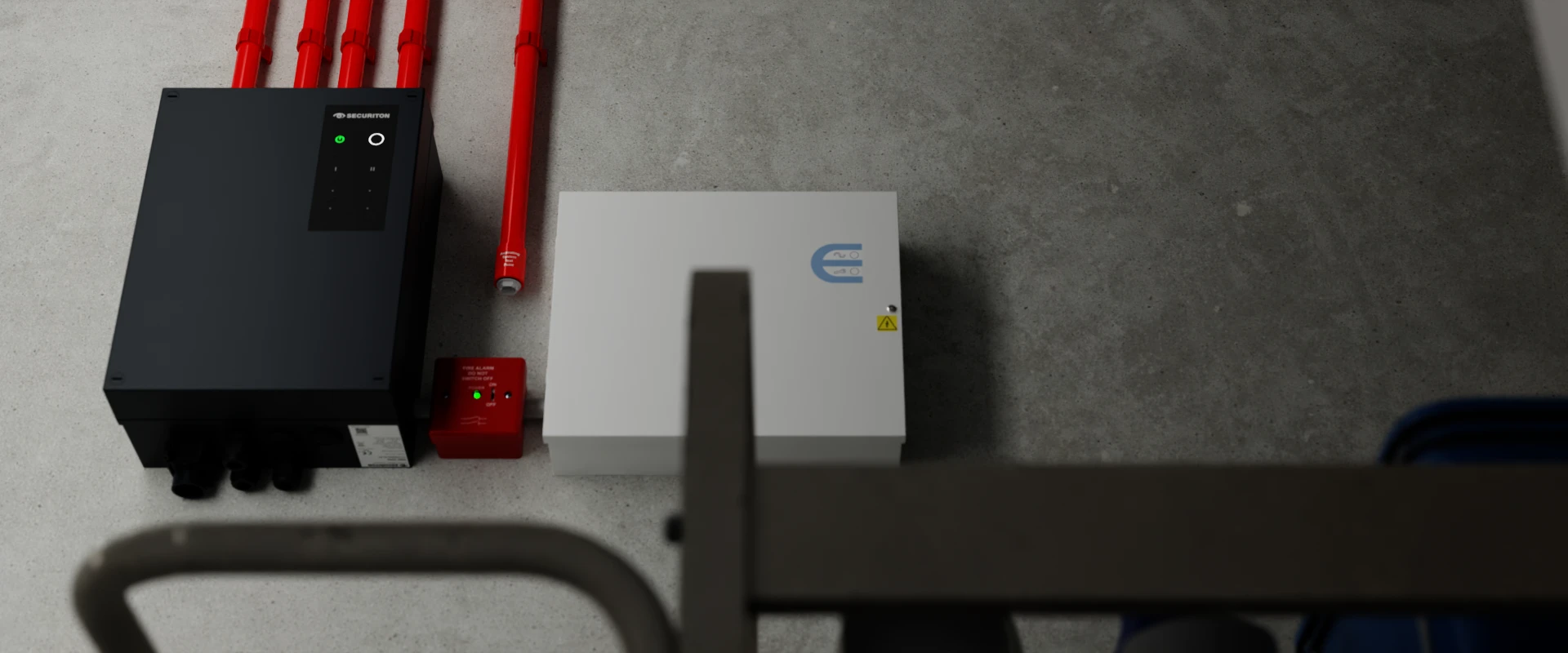
The SecuriSmoke ASD 2000 detector should be installed in an accessible, back-of-house location such as a plant room, stockroom, electrical room or fire control area, where engineers can view status indicators and carry out routine checks without entering the sales floor. Positioning the detector close to the protected area helps to minimise pipe runs, while keeping it out of public areas protects it from tampering and accidental damage.
Pipe & Fittings Placement
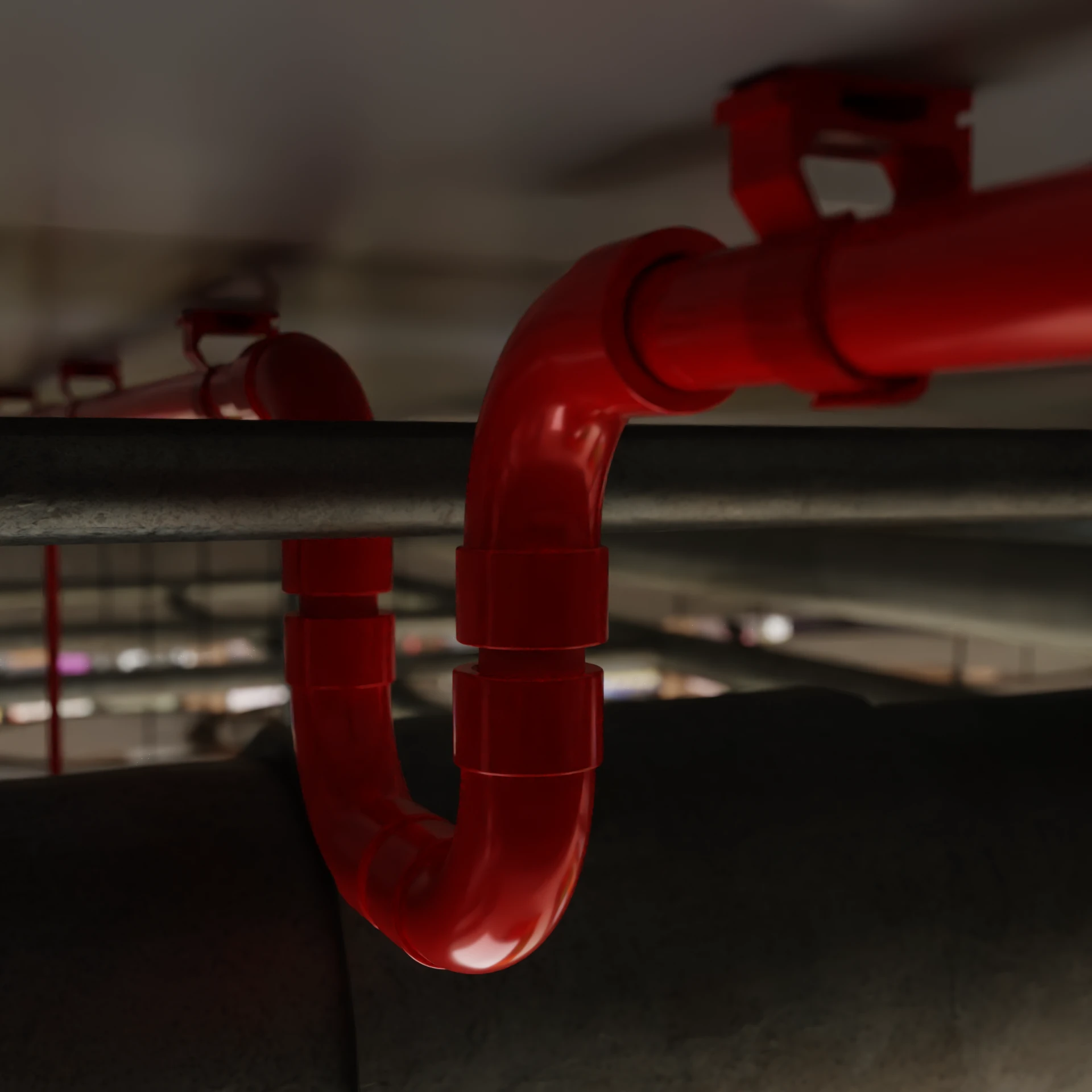
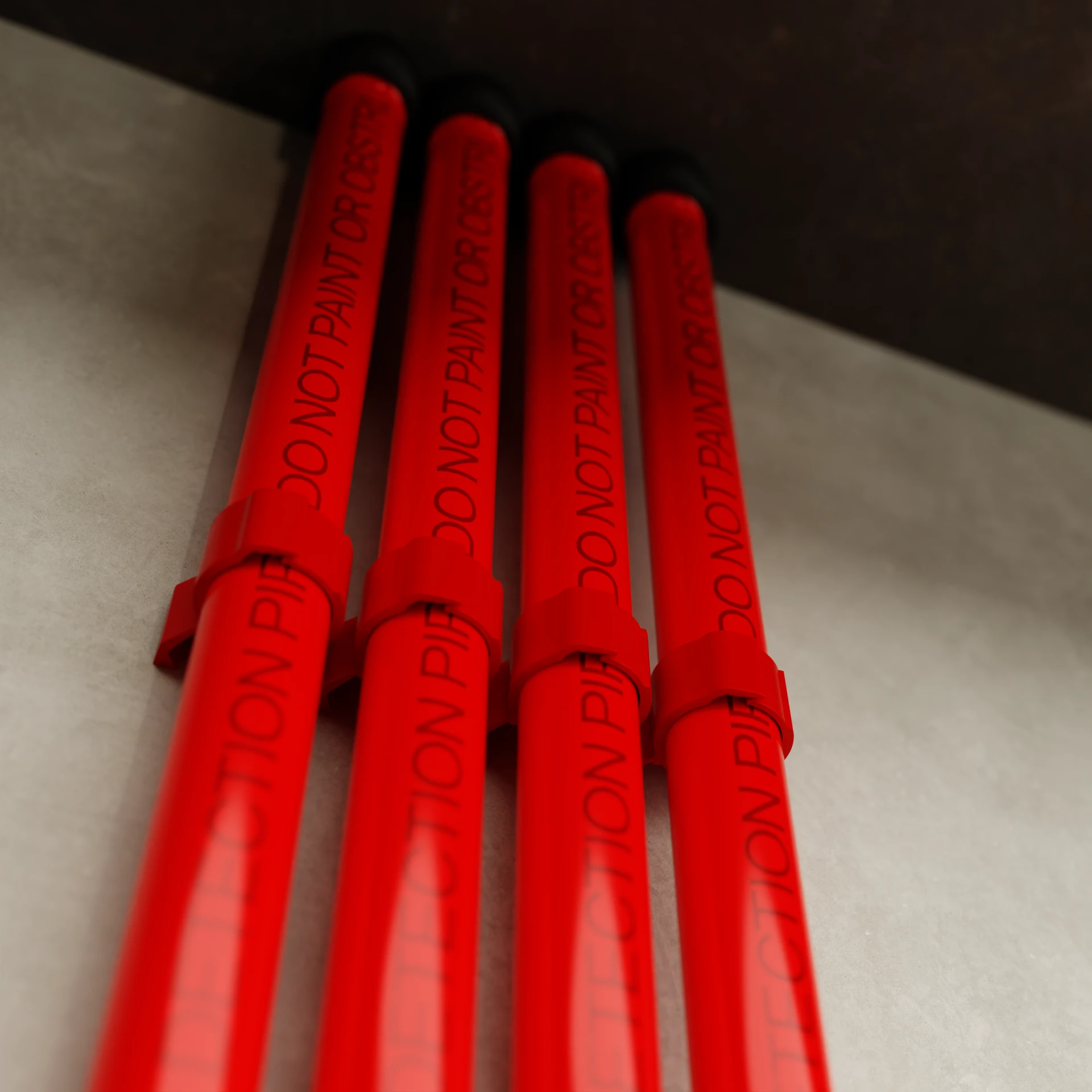
Sampling pipe networks should be designed to provide even coverage across the sales floor, stockrooms and loading areas, taking account of ceiling height, racking layouts and airflow from ventilation systems, refrigerated aisles and entrance doors. In large stores, pipework is typically run at high level above aisles, where it can be concealed within ceiling voids or painted to blend with exposed ceilings. Careful routing helps to minimise disruption during installation and allows store layouts to change without affecting detection coverage.
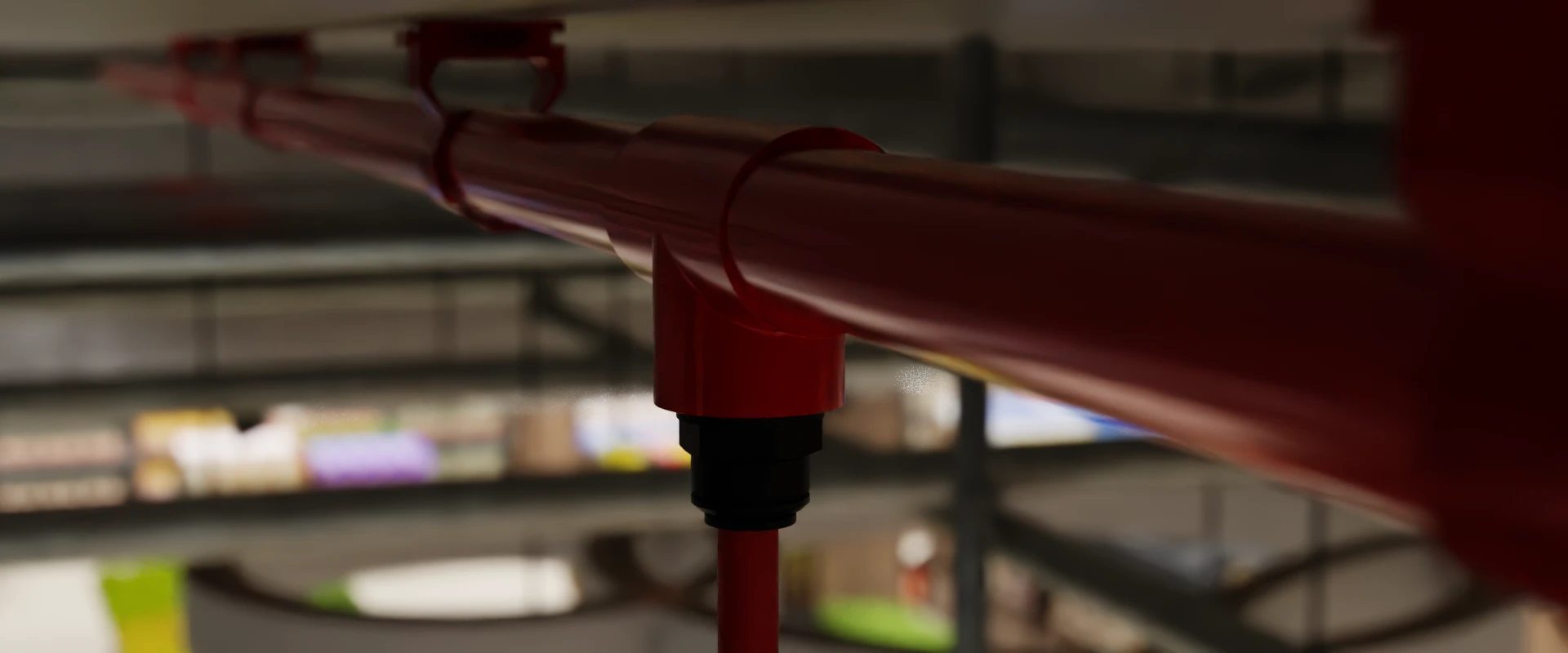
Low Level Maintenance
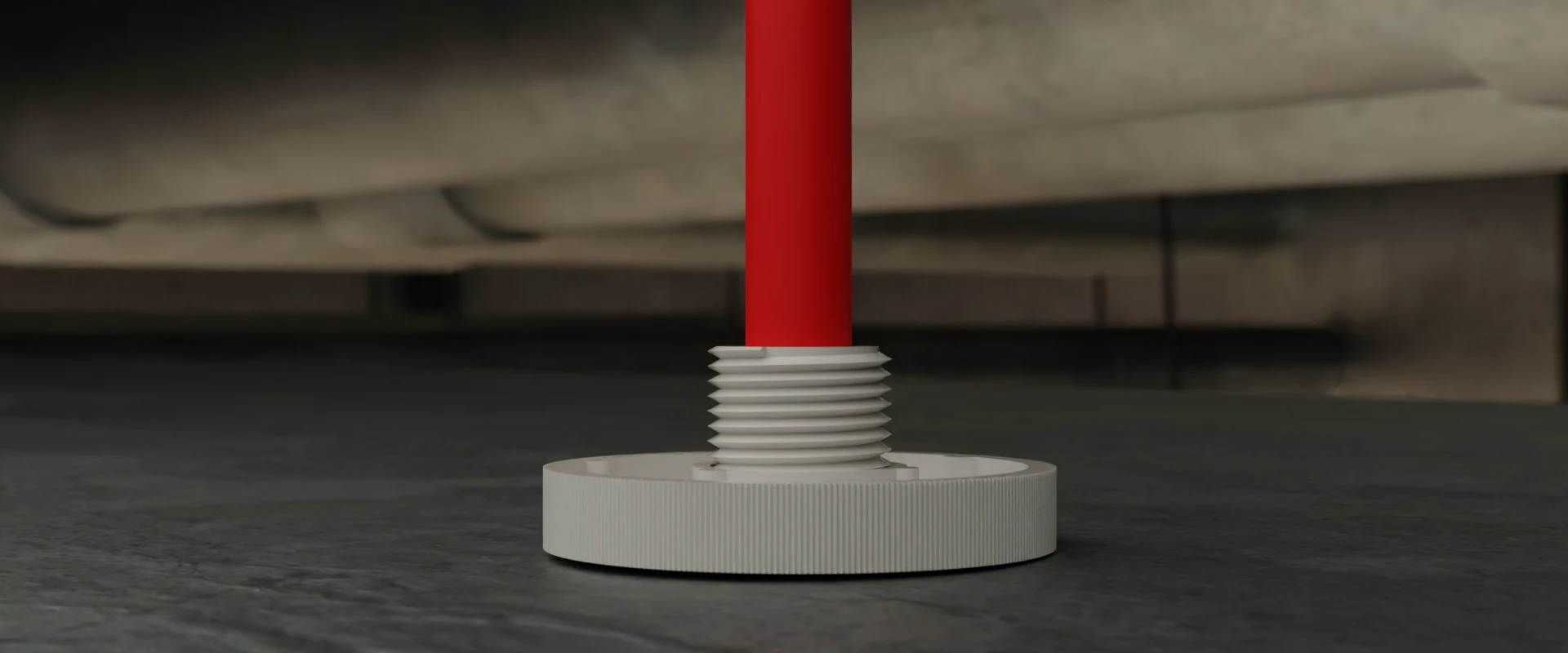
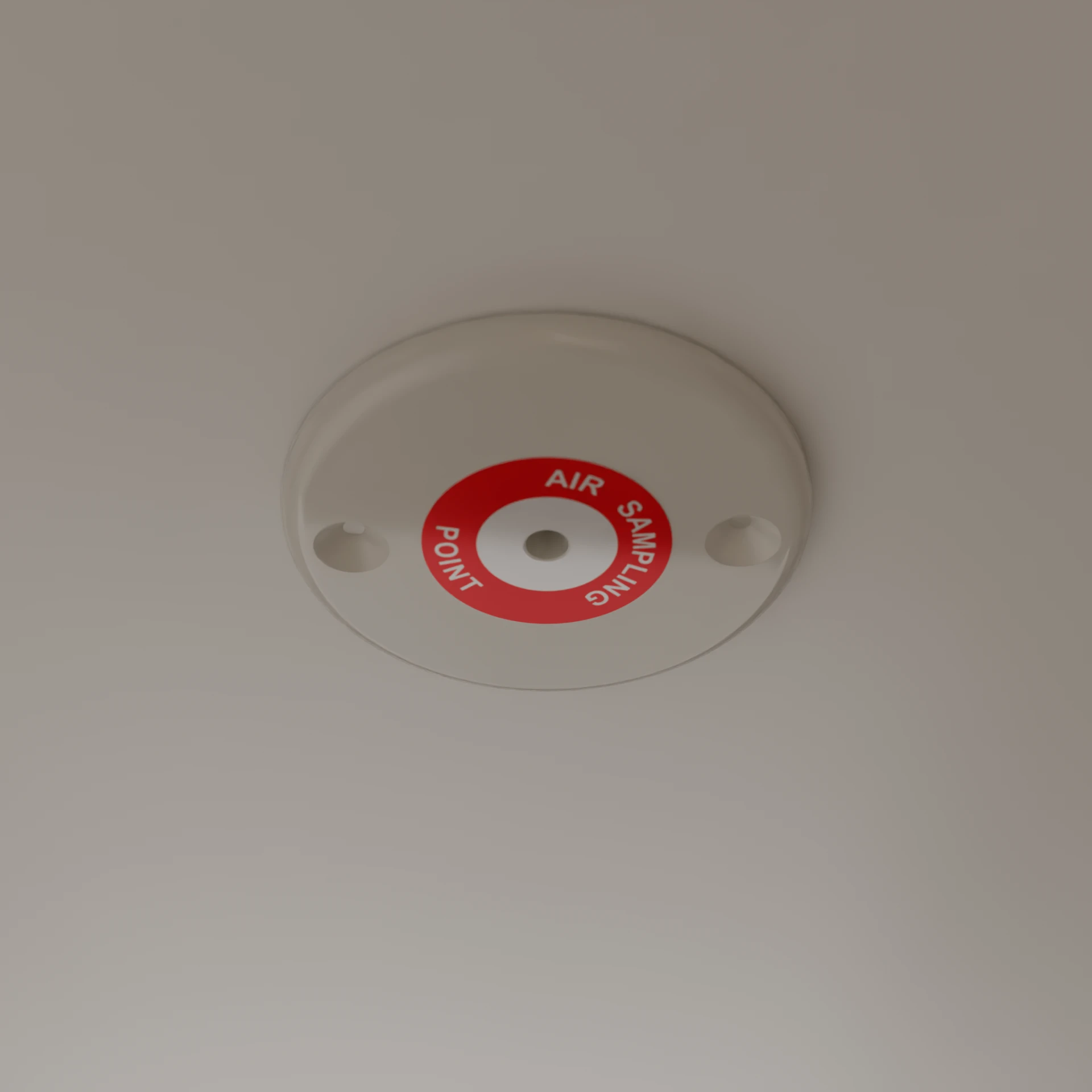
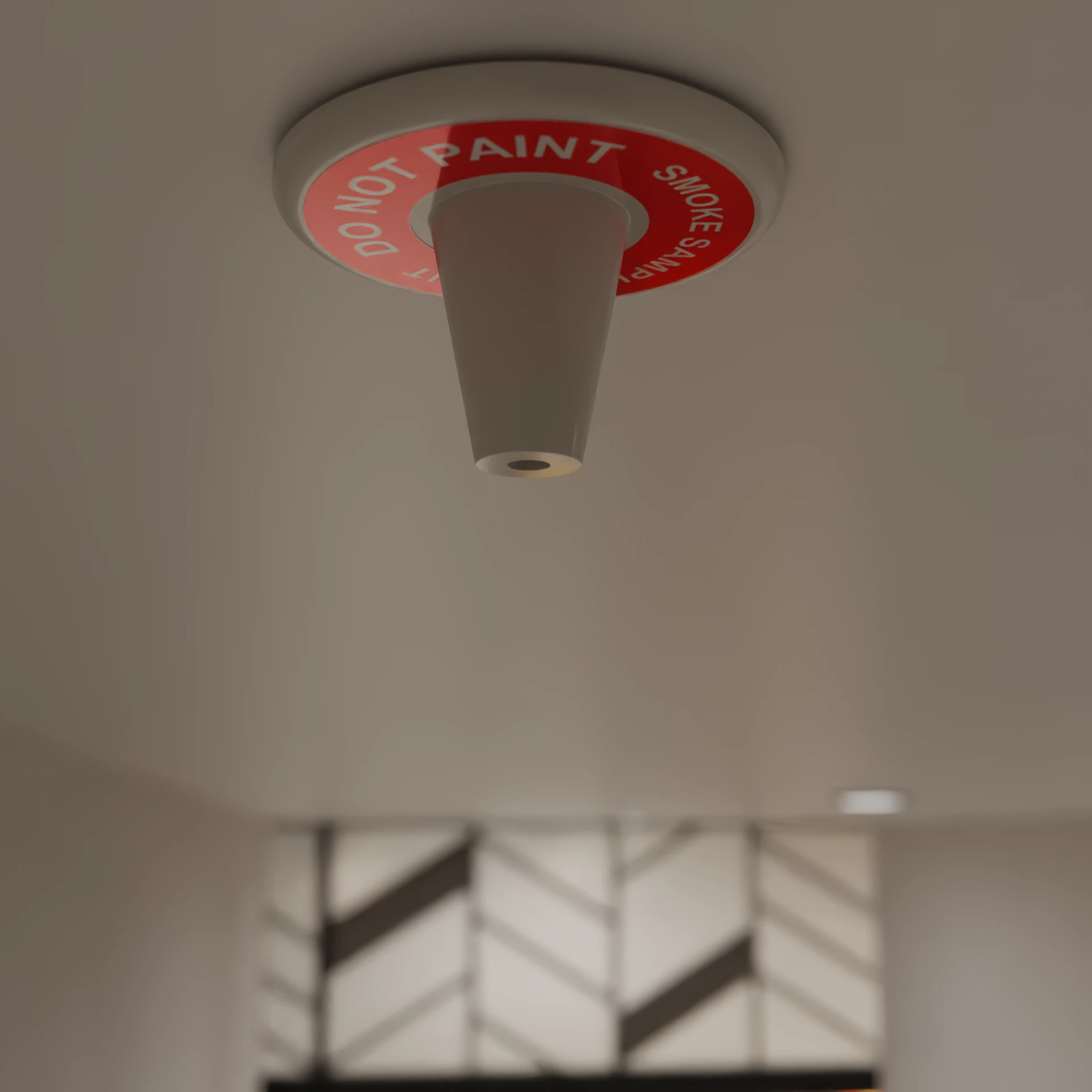
Capillary sampling points allow air to be drawn from below suspended ceilings or from areas where direct access to the main pipe network would be impractical. Sampling points should be positioned to reflect aisle layouts, stock storage areas and airflow patterns, ensuring smoke is detected quickly wherever a fire starts. Flush sampling points provide a discreet finish in customer-facing areas, while conical sampling points are well suited to stockrooms, loading bays and other back-of-house spaces.
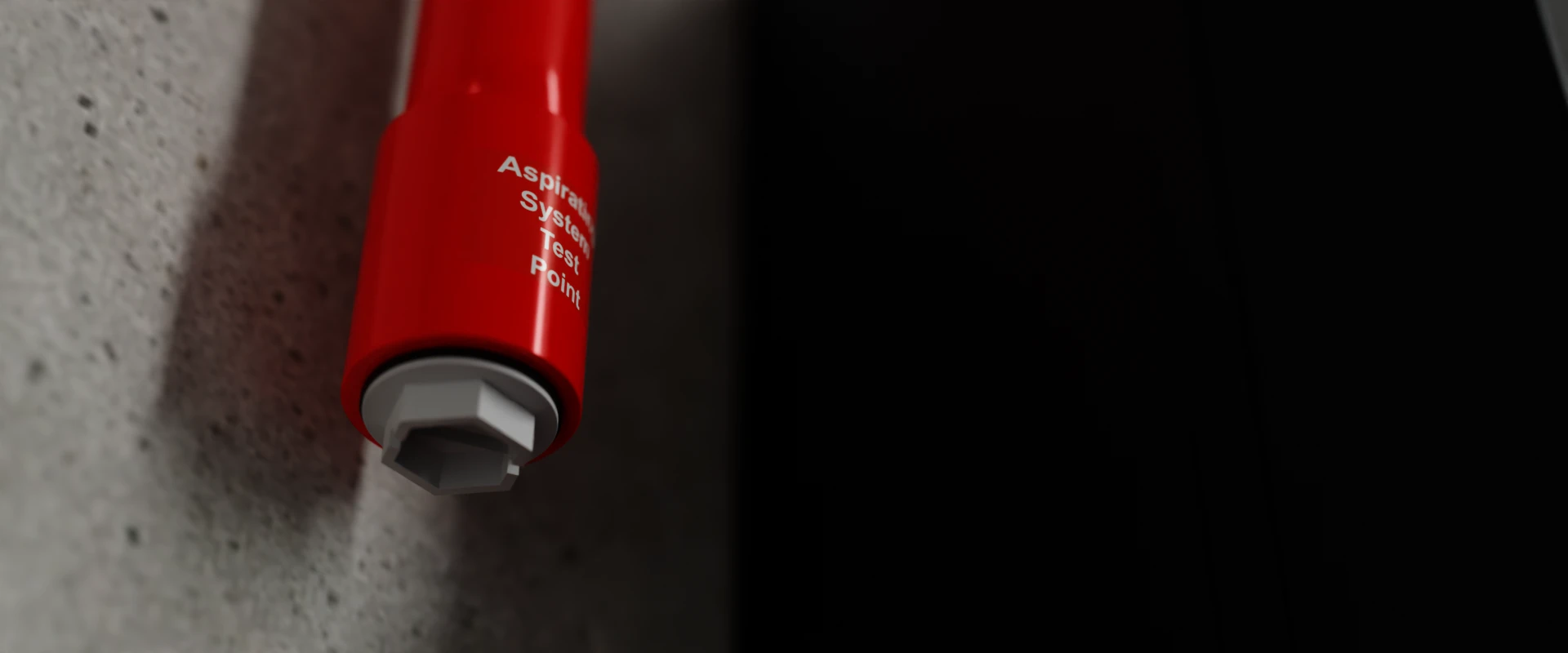
Dedicated test points allow engineers to introduce test smoke into the pipe network from an accessible, low-level position, verifying that the system responds correctly without needing access equipment to reach individual sampling points. Locating test points in back-of-house areas allows routine testing to be carried out during trading hours with minimal disruption to customers and staff.
Why Choose Eurofyre?
- Securiton Gold Partner
- Eurofyre’s Gold Partner status with Securiton reflects a proven level of commitment, product expertise and customer support across the full SecuriSmoke range.
- Complete System Supplier
- Eurofyre supplies all aspects of fire detection, allowing customers to source Securiton aspirating smoke detection alongside the wider range of products needed for a complete system.
- Pipework Design
- Eurofyre’s technical team provides professional design support for aspirating pipe networks, helping to achieve optimum system performance and a quality installation.
- Demonstration and Training
- Eurofyre offers demonstrations and expert training on Securiton systems from its sophisticated training facility.
- After-Sales Support
- Eurofyre provides on-site and telephone assistance to help ensure Securiton systems remain fully operational and performing at their best.
For more information on Securiton ASD 2000 Aspirating Smoke Detectors or to explore our full range of products, please contact us by phone on +44 (0) 1329 835 024, by email at [email protected], or via the enquiry form on our contact page.
Don’t forget you can follow us on LinkedIn, and Instagram or sign up to our newsletter (in the footer below) to receive all the latest information from Eurofyre.