Cold storage warehouses are specialised facilities designed to store perishable goods, pharmaceuticals and other temperature-sensitive products at consistently low temperatures. These environments range from small distribution units to vast automated warehouses, often incorporating multiple temperature zones, insulated panel construction and extensive racking systems to maximise storage capacity.Fire safety within cold storage facilities presents a particular set of considerations.
Extreme temperatures, dense storage configurations and the widespread use of insulated panels can all affect how a fire develops and how effectively it can be detected. Because these facilities often hold high-value stock and play a critical role in supply chains, early and reliable fire detection is essential to protect goods, maintain business continuity and support the safety of personnel working within the building.
Fire Risks in Cold Storage Warehouses
- Insulated Panel Construction
- Many cold storage buildings are constructed using insulated sandwich panels, some of which can contribute to fire spread if the core material is combustible.
- Racking and Stock Density
- Densely packed racking and stored goods can allow a fire to spread quickly once established, particularly in narrow aisle configurations.
- Electrical and Refrigeration Equipment
- Compressors, fans, defrost heaters and associated electrical equipment operate continuously in many cold storage facilities, creating potential ignition sources if faults occur.
- Battery-Powered Handling Equipment
- Forklifts and other battery-powered machinery used within cold storage areas may present a charging or battery fault risk.
- Packaging Materials
- Cardboard, plastic wrapping and other packaging materials commonly found in cold storage warehouses can provide a ready source of fuel for a fire.
Fire Detection Challenges in Cold Storage Warehouses
- Extreme Temperatures
- Sub-zero and low-temperature environments can affect the performance of some conventional detection technologies, requiring solutions specifically suited to these conditions.
- Condensation and Humidity
- Temperature differentials between cold storage areas and adjoining spaces can cause condensation, which may affect detector performance and increase the risk of unwanted alarms.
- Tall racking systems and narrow aisles can make installation and ongoing maintenance more difficult, particularly at height.
- Rapid Temperature Cycling
- Frequent door openings, defrost cycles and loading activity can cause fluctuating temperatures that some detection technologies may struggle to distinguish from a genuine fire condition.
- Long Cable Runs
- The scale of many cold storage warehouses can require extensive detection coverage across long distances, which must be achieved without compromising reliability or response times.
FyreLine EN54 Fixed Linear Heat Detection
FyreLine EN54 Fixed is a linear heat detection (LHD) system designed to provide continuous fire detection along the full length of a protected area. Rather than relying on discrete point devices, the cable itself acts as the sensing element, allowing it to detect a rise in temperature at any point along its run and provide an immediate signal to the connected controller.
This approach makes FyreLine EN54 Fixed particularly well suited to environments such as cold storage warehouses, where racking, cable trays and other linear structures can be protected efficiently without the need for large numbers of individual detectors. The fixed-temperature design allows the system to be configured to suit the specific temperature profile of the protected area, helping to maintain reliable detection while reducing the potential for unwanted alarms caused by normal environmental conditions.
FyreLine EN54 Fixed Temperature LHD Cable
The FyreLine EN54 Fixed cable is designed to respond when a pre-set fixed temperature threshold is reached along any point of its length. The cable construction is intended to withstand demanding industrial and storage environments, including areas subject to low temperatures, moisture and mechanical exposure typical of cold storage warehouses.
Approvals



Design Considerations
Controller Placement
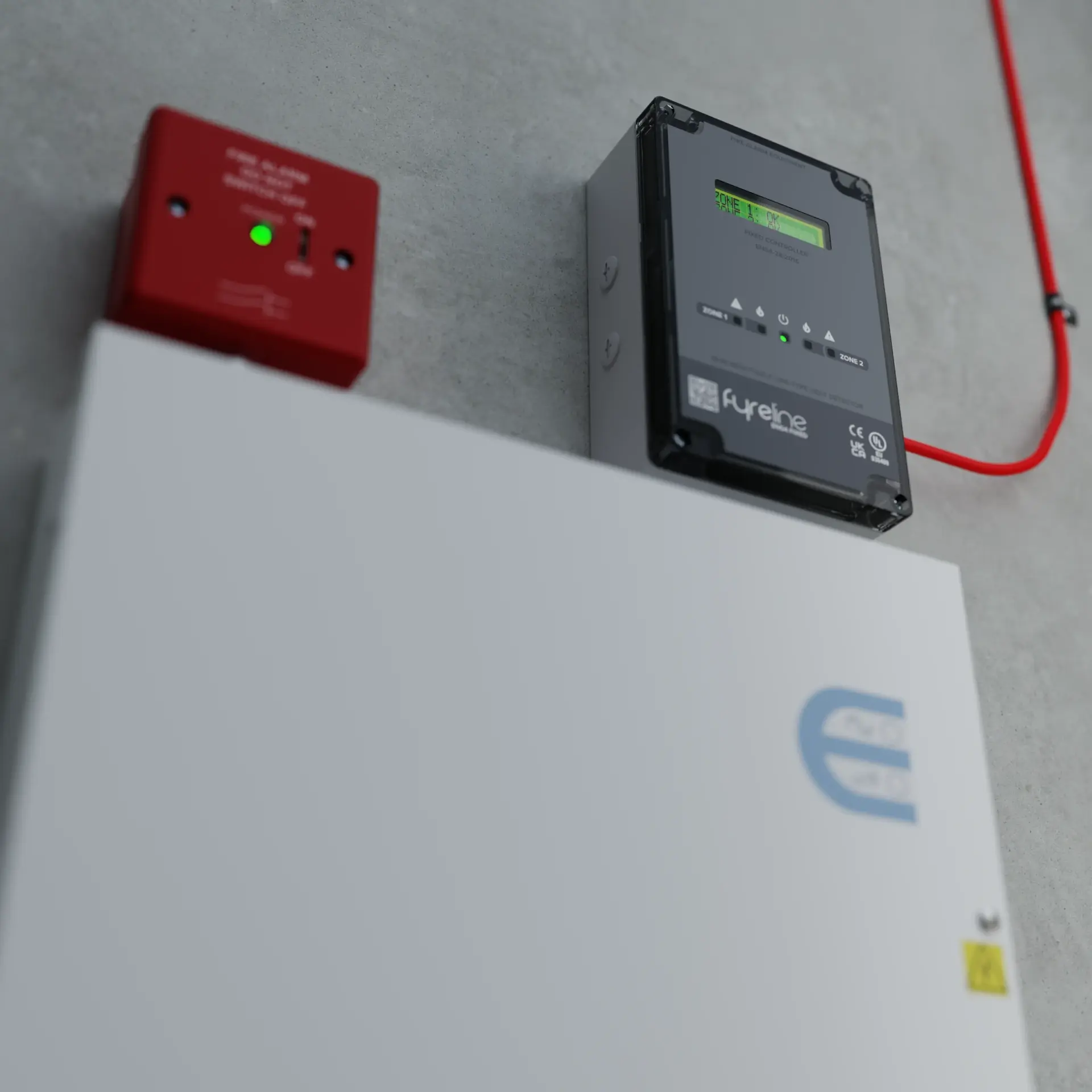
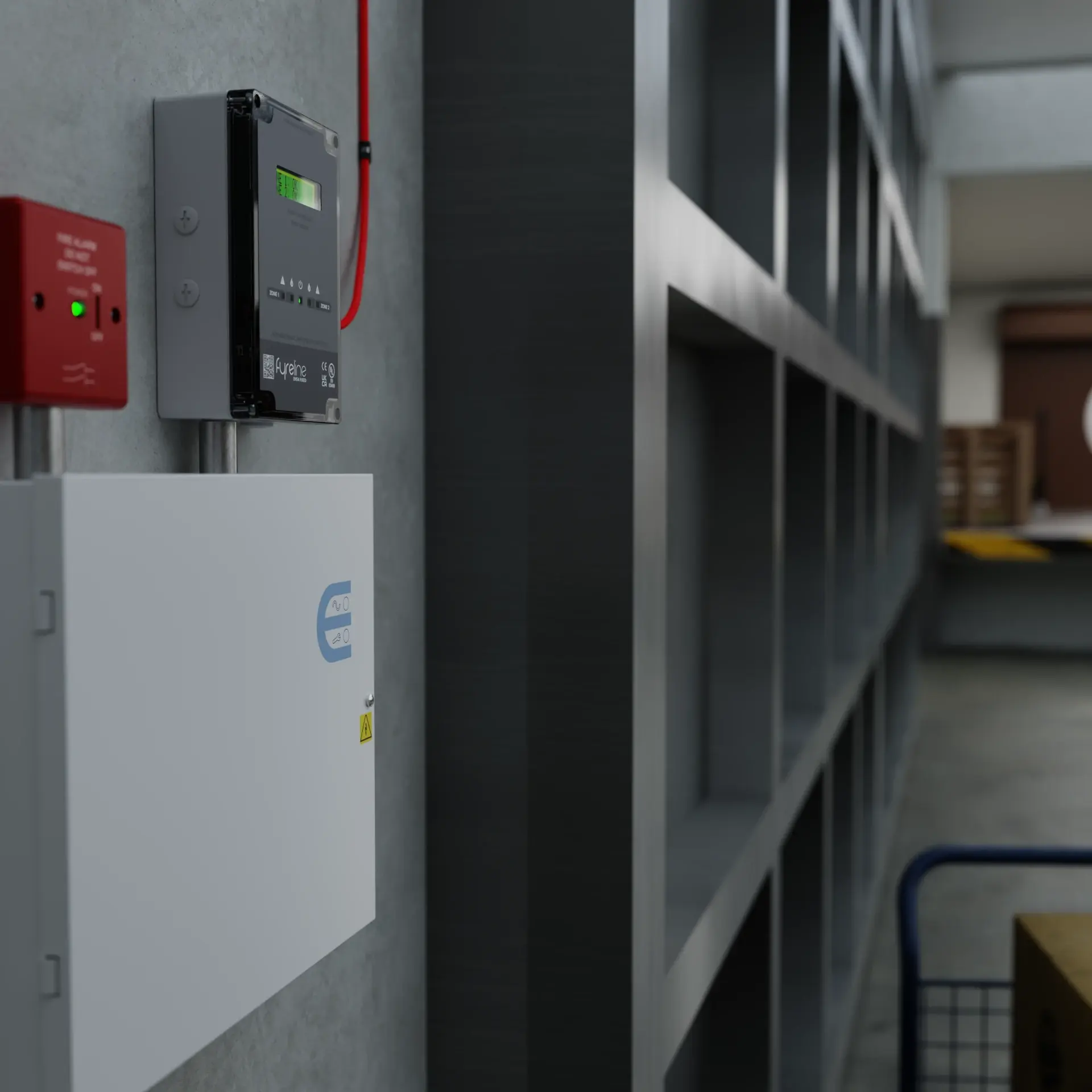
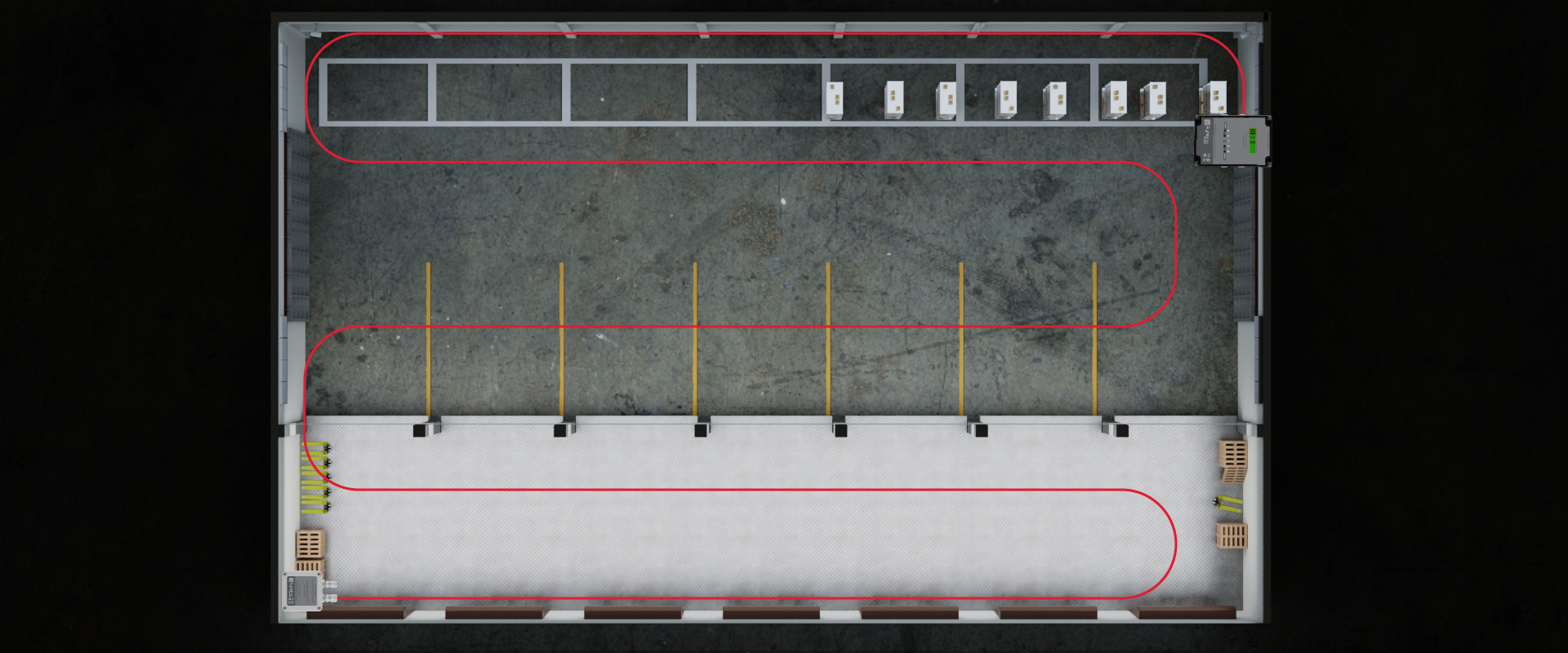
The FyreLine controller should be positioned in an accessible location that allows engineers to view system status and alarm information without requiring entry into cold storage areas wherever possible. Locating the controller in an adjoining plant room, control room or ambient-temperature area can simplify maintenance and testing while protecting the equipment from extreme temperature conditions.
LHD Cable Placement
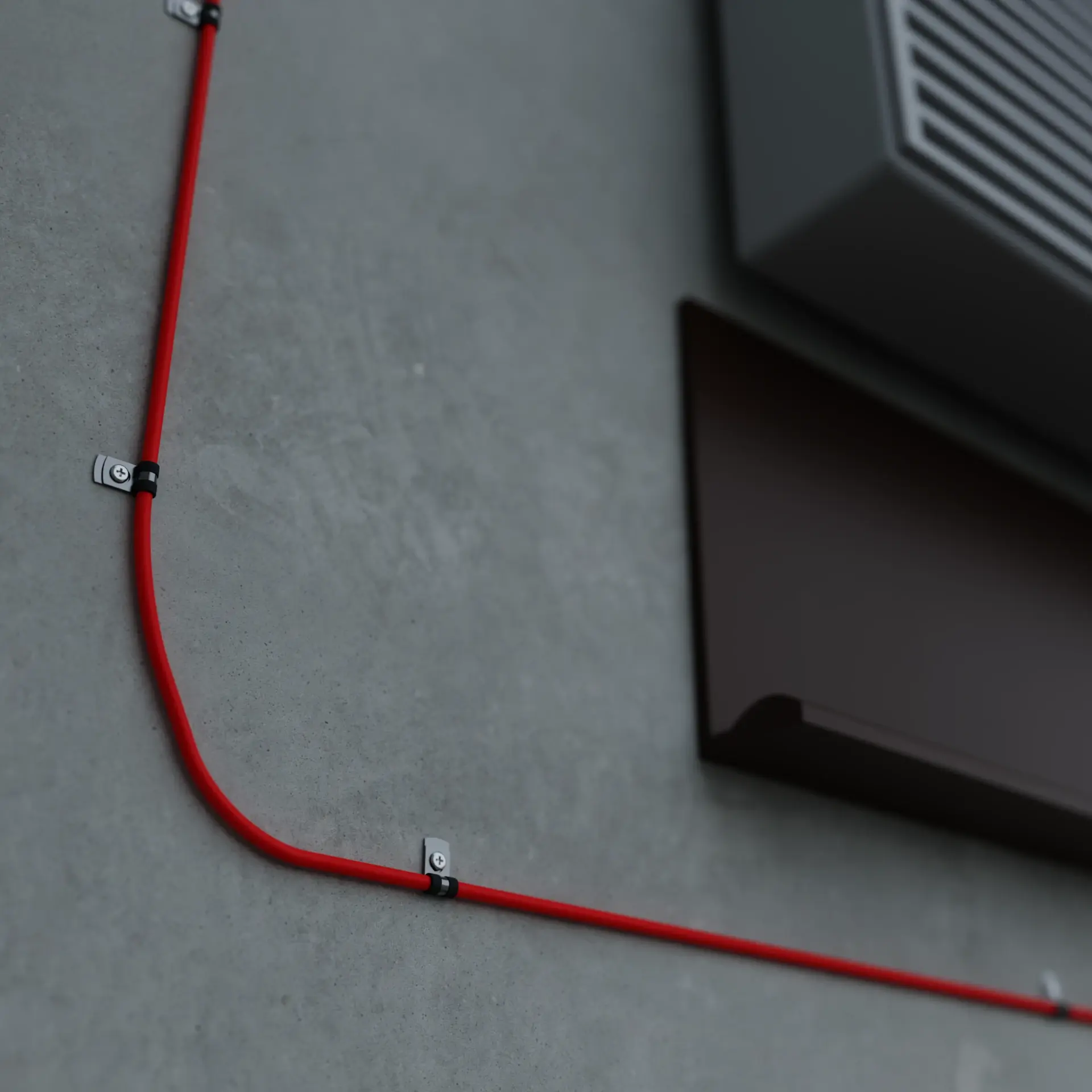
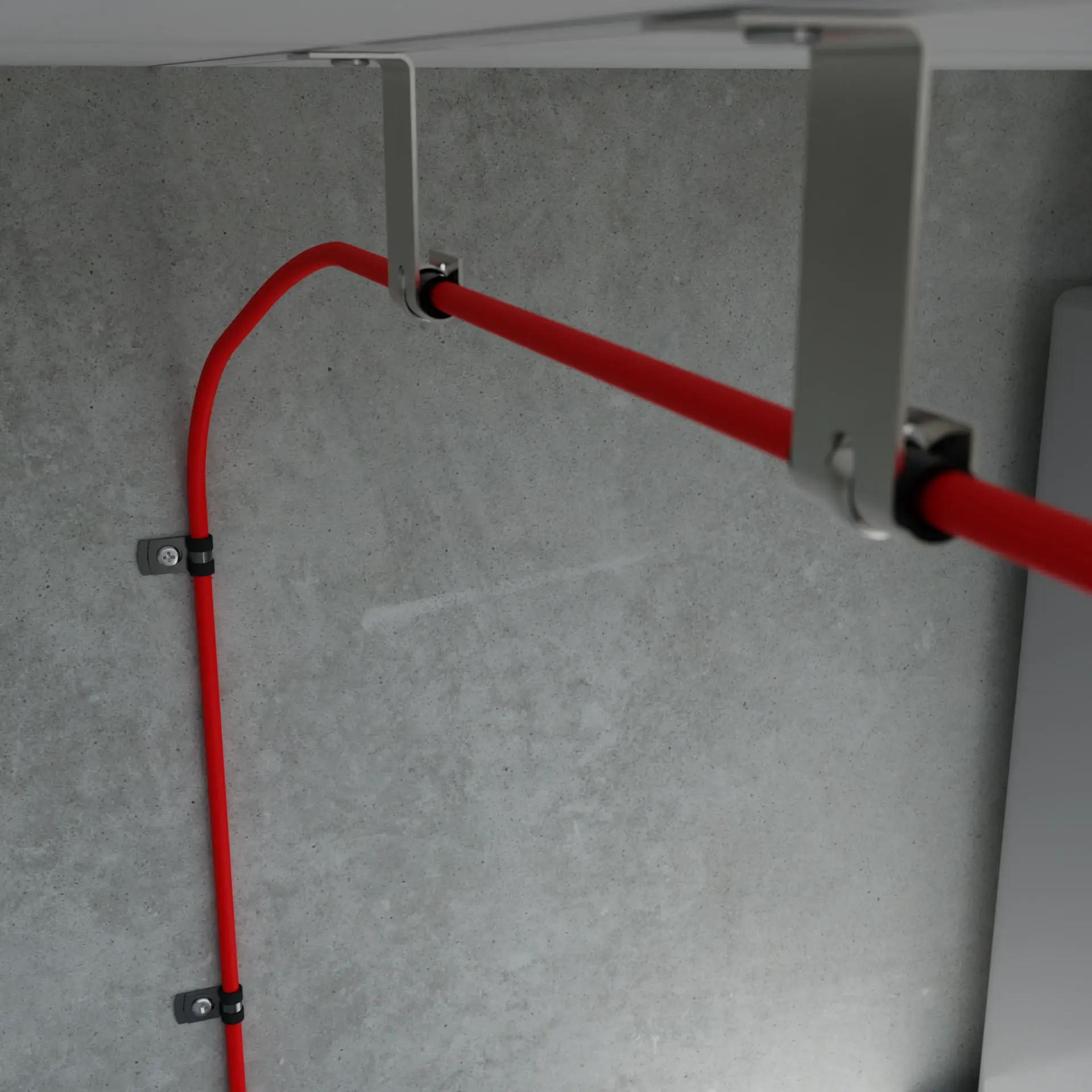
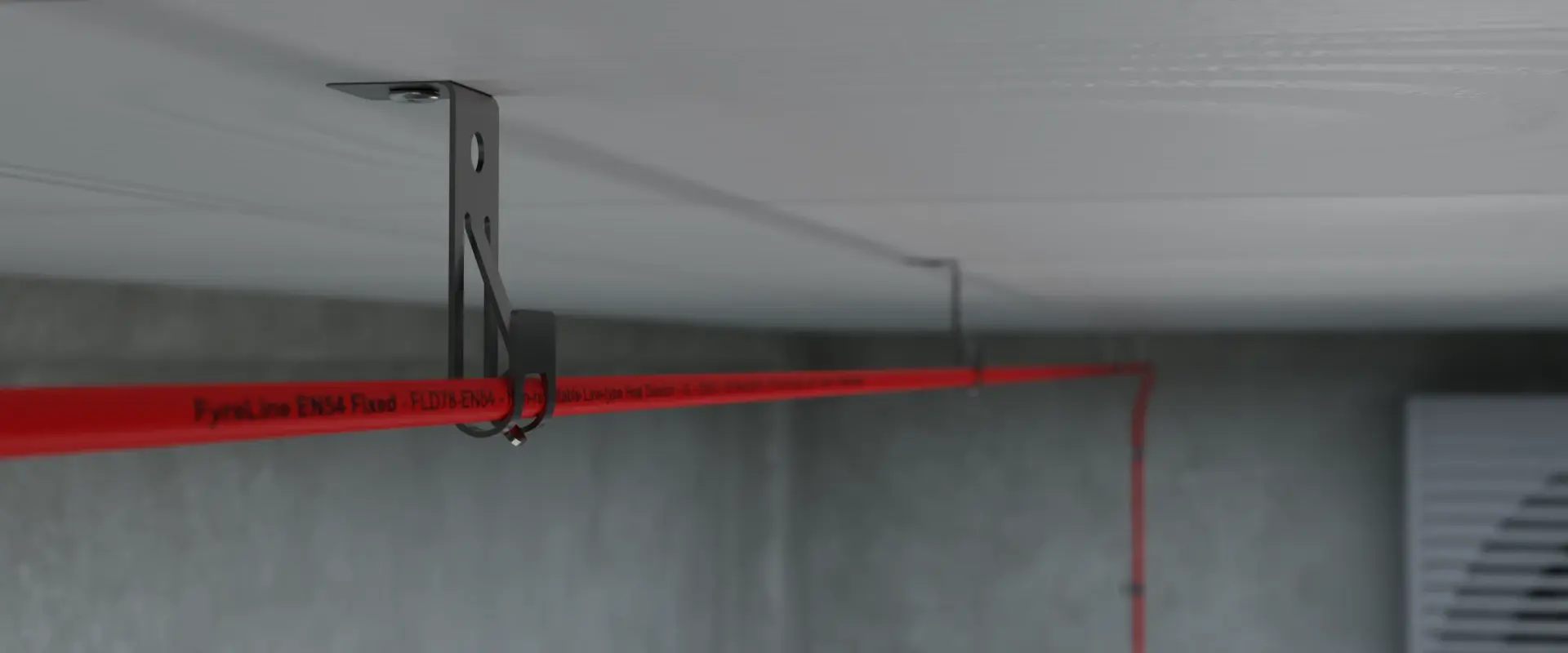
FyreLine cable should be routed to provide effective coverage of the areas most likely to be affected by fire, including along racking structures, over stored goods and within areas identified as higher risk. Cable routing should take into account racking layout, aisle configuration and the specific temperature conditions of each zone within the warehouse, ensuring that the fixed-temperature rating selected is appropriate to the ambient conditions of the area protected.
Mounting Clips
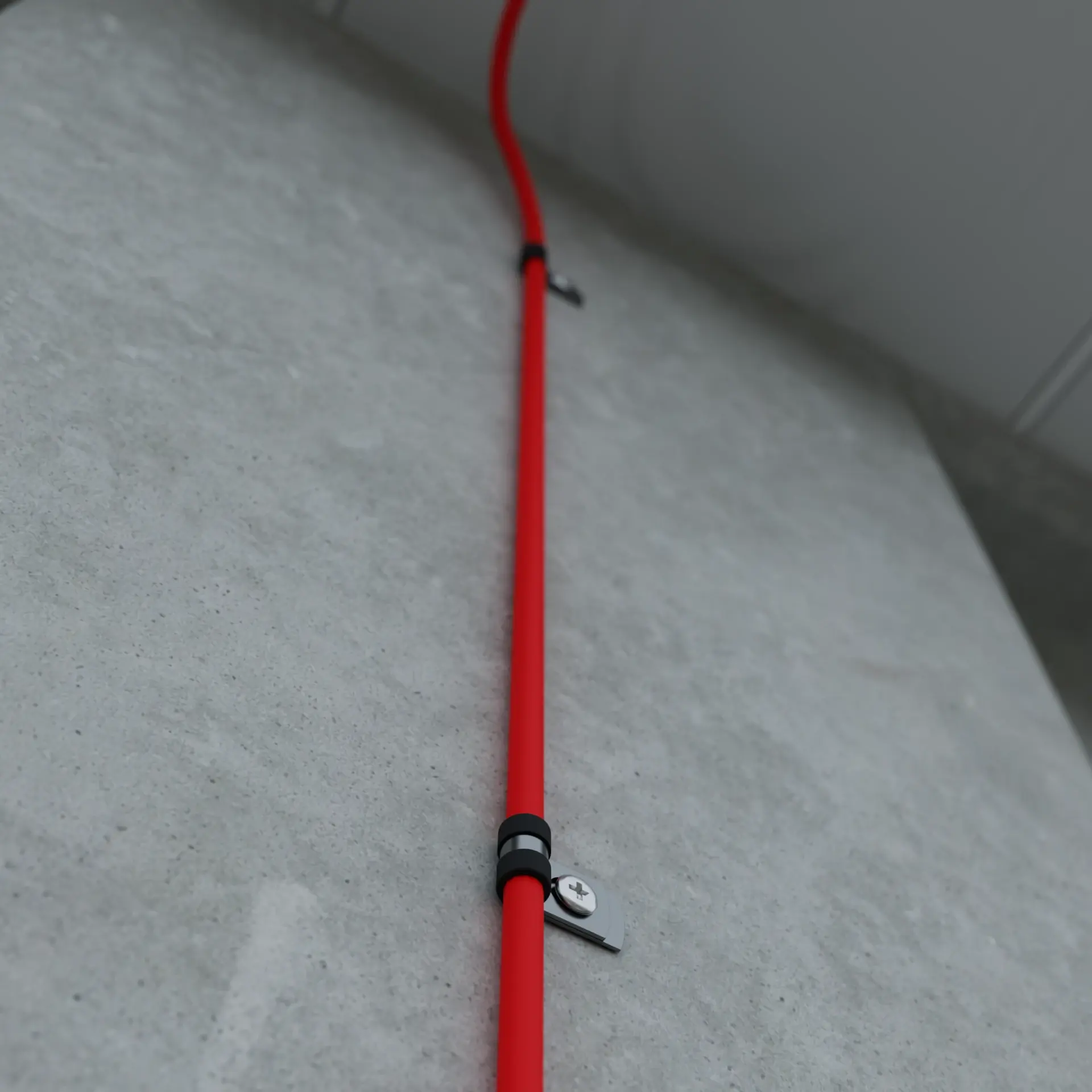
The P-Clip provides a robust fixing point for linear heat detection cable, securing it to surfaces and infrastructure. It ensures consistent positioning, resists vibration, and supports long term reliability in harsh environments where stability is essential for accurate heat detection.
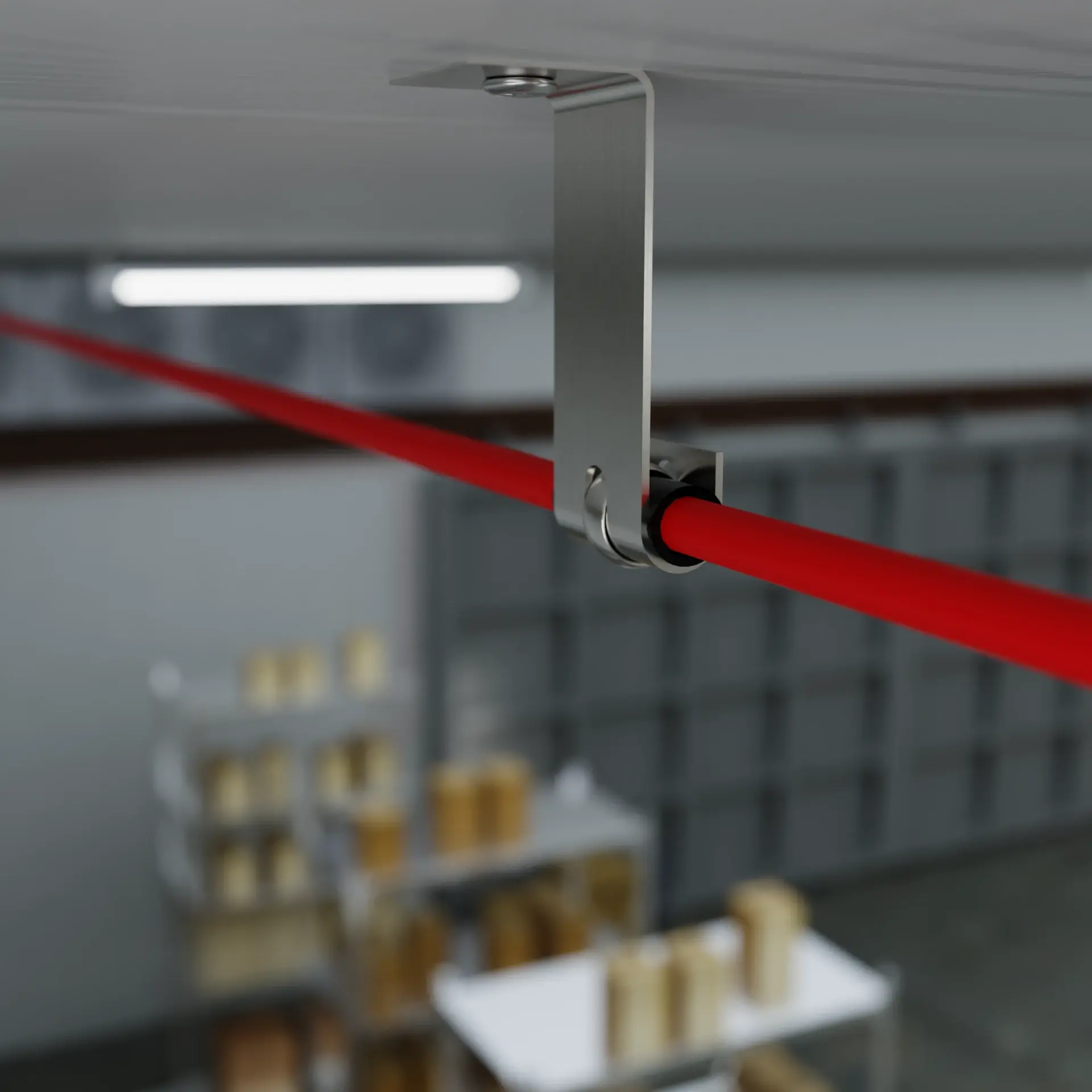
The J-Clip enables quick and consistent installation of linear heat detection cable, holding it securely in place while maintaining correct spacing. Its simple design allows efficient fitting along lengthy cable runs, supporting reliable performance and ease of maintenance.
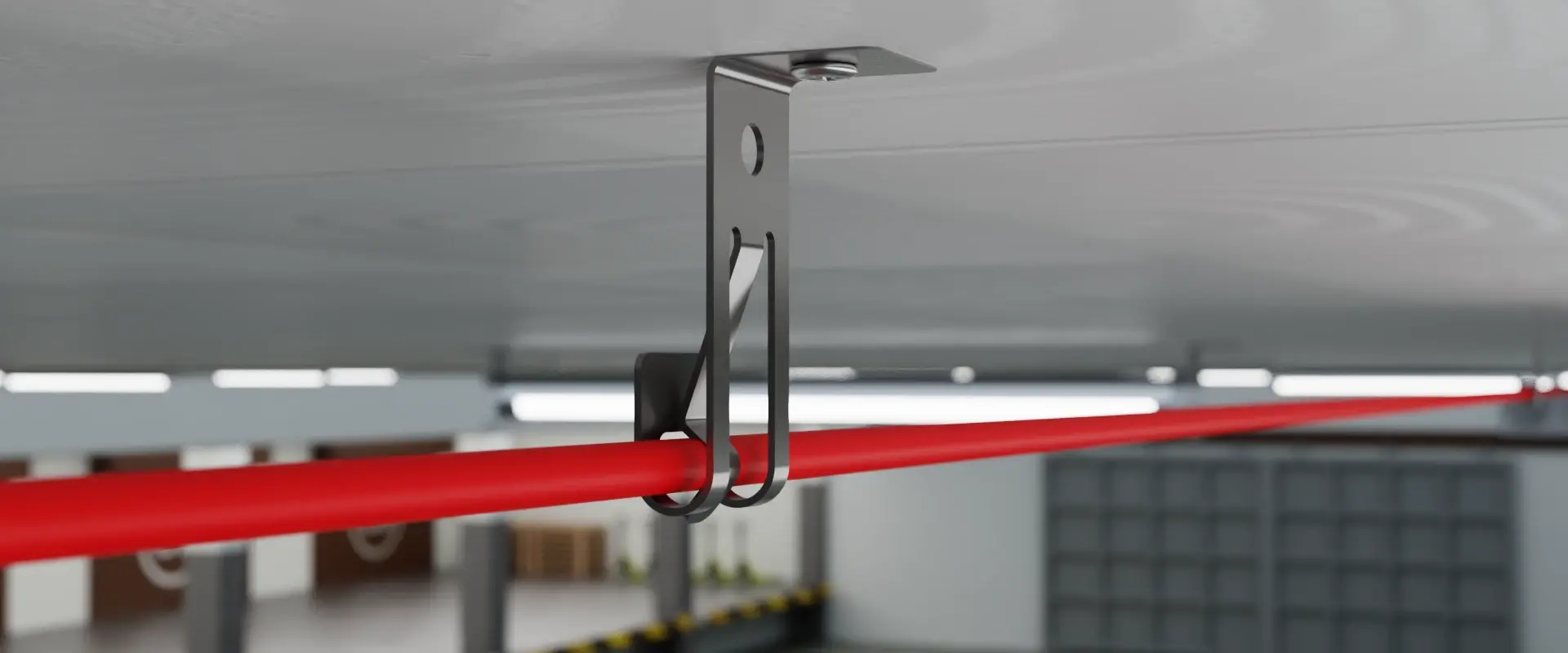
The J-Lock Clip provides a secure fixing for linear heat detection cable, preventing movement and maintaining consistent spacing. Its locking design ensures that stability is maintained despite temperature fluctuations and vibration from refrigeration equipment in cold storage warehouses, helping ensure the reliable performance and long-term stability of the detection system.
EOL Module Placement
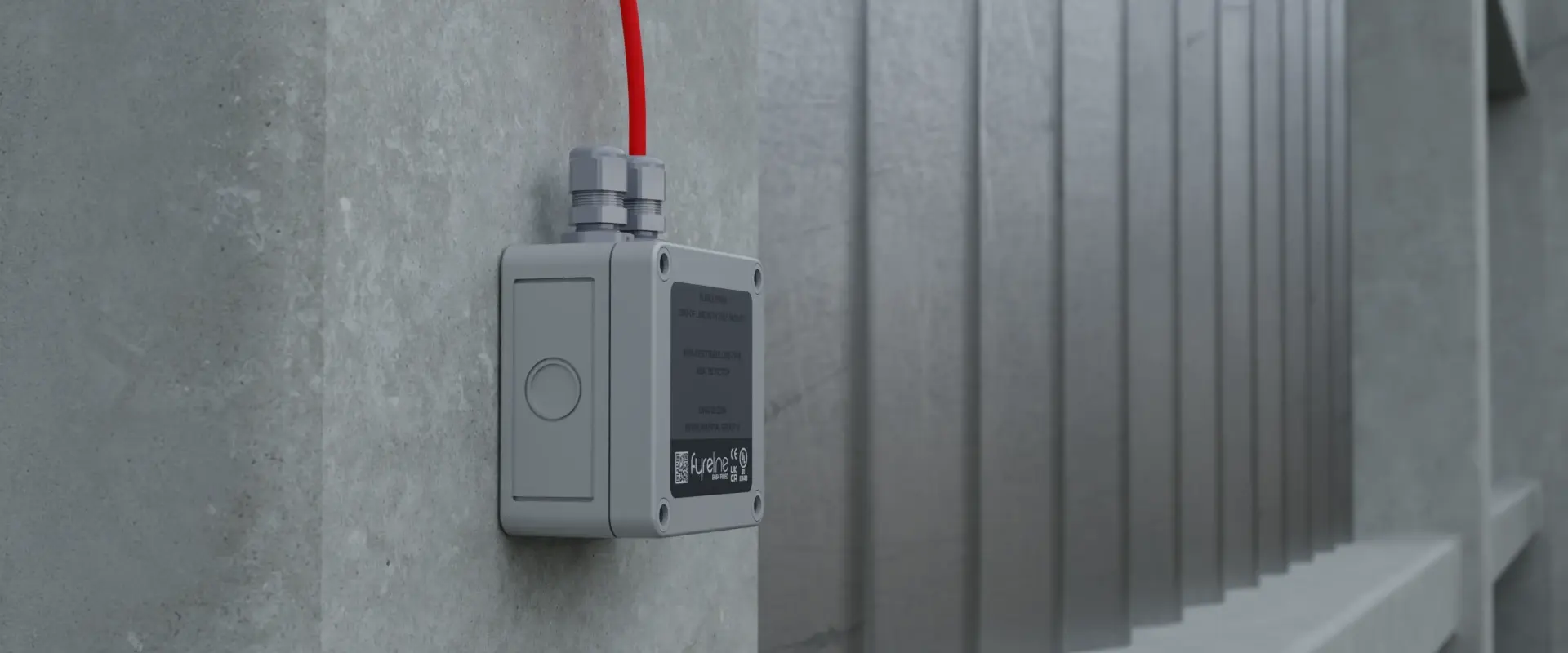
The end-of-line (EOL) module should be fitted at the termination point of each cable run to allow the system to monitor the circuit’s integrity. In cold storage installations, EOL modules should be positioned in an accessible location that allows for straightforward testing and maintenance, while remaining protected from physical damage and, where relevant, extreme temperature exposure.
Typical Wiring Diagram
Why Choose Eurofyre?
- Complete System Supplier
- Eurofyre manufactures and supplies all aspects of fire detection including linear heat detection and its associated products and can provide expert advice and consultation.
- Demonstration and Training
- We offer demonstrations and expert training on a range of systems, including FyreLine Resettable linear heat detection systems, in our very own sophisticated training facility.
- After-Sales Support
- Eurofyre offers both on-site and telephone support to assist you in ensuring that your system is fully functional and operating at maximum efficiency. Our after-sales care and support are second to none.
For more information about FyreLine EN54 Fixed, or to discuss any of the other products that Eurofyre has to offer, please feel free to get in touch either by phone on +44 (0) 1329 835 024, by email to [email protected] or via the online enquiry form situated on our contact page.
Don’t forget you can follow us on LinkedIn, and Instagram or sign up to our newsletter (in the footer below) to receive all the latest information from Eurofyre.