With the wide range of fire detection systems available it may be difficult to find which detection types best suit the specific environments within your application.
There are a number of factors to consider when choosing a fire alarm system such as: typical fire service attendance time, occupant escape times, service and maintenance requirements and system operation requirements. However, one of the biggest factors to consider is the environmental conditions that are present – humidity, dust, smoke and temperature etc.
The nature of the fire hazards that are present and the surrounding area that will need to be protected must too be considered, along with the detection speed that is required to provide optimum protection. When making a final decision it is also extremely important to minimise the chance of false alarms caused by incorrect detection devices.
What is a Fire Detectors job?
Fire detectors are designed to detect one or more of the characteristics of a fire, such as smoke, heat and/or combustible gas. Once one or more of these aspects have been identified the alarm will trigger to provide a warning of fire at the earliest possible point.
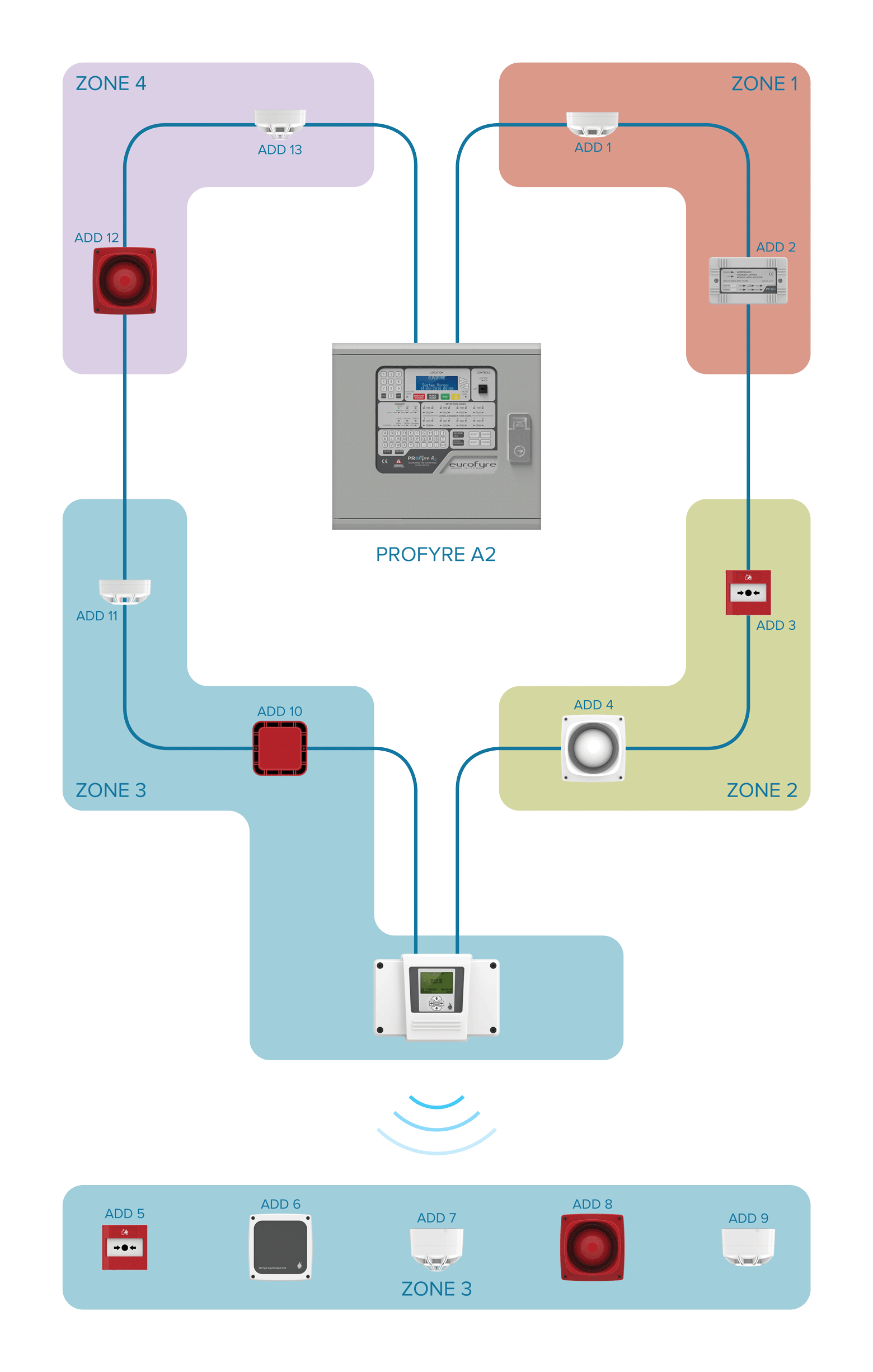
Smoke detectors are among the most common types of fire detector, followed closely by heat detectors, flame detectors, beam detectors and linear heat detectors. Aspirating smoke detection is also fast becoming a popular choice for a huge range of applications.
What Detectors Types are Available?
Employing the correct, most effective fire detector in relation to risk type and environmental factors is paramount. For example, heat detection may be the most appropriate option for fires that are likely to occur around large pieces of machinery, whereas environments that are most likely to suffer from electrical cable fires may benefit more from smoke detection.
Selecting the most suitable device may be challenging. However, there is a wide range of fire detectors on the market that can provide strong and reliable detection for any situation:
Smoke Detectors:
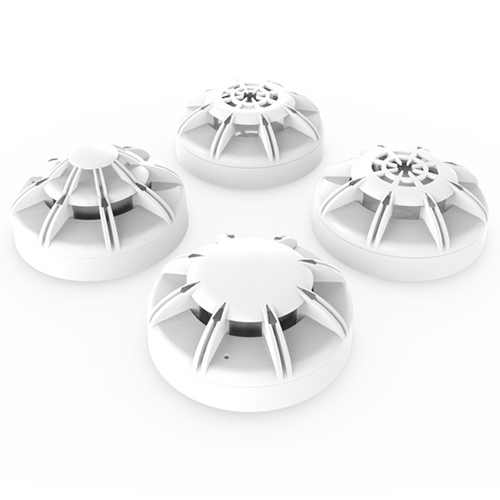 A smoke detector such as the ProFyre Optical Smoke Detector, uses a pulsing infrared (IR) LED to and a photodiode to detect the presence of smoke within its chamber. Smoke that enters the detection chamber causes the IR light to scatter into the photodiode light receptor, triggering the detector to send a signal of fire to the fire alarm control panel.
Smoke detectors such as these are best suited for applications that are likely to suffer from fires that produce dense smokes, such as fires involving materials such as PVC, Plastic, foam and similar materials.
Heat Detectors:
Heat detectors are designed to trigger an alarm when excessive heat is detected. Eurofyre’s ProFyre range of heat detectors is available in two versions:
- Rate-of-rise: Rate of rise heat detectors sense a rapid rise in temperature.
- Fixed Heat: A fixed heat detector triggers an alarm once its rated temperature is reached.
Beam Detectors:
A beam smoke detector is a device that uses a projected beam of light in order to detect smoke across large areas, typically indicating a fire. Open-area Smoke Imaging Detection (OSID) for example, is a new innovation in projected beam smoke detection. This system uses optical imaging and advanced wavelength projected beams for early warning detection.
Linear Heat Detection:
Linear heat detection such as Eurofyre’s Fyreline Linear Heat Detection System provides an early warning of overheating equipment or a fire. The heat sensing cables are able to detect heat anywhere along their length and are designed for use in both industrial and commercial applications. Linear heat detection is highly cost-effective and is easy to install.
Aspirating Smoke Detection:
Aspirating smoke detection (ASD) continually draws air through a network of small pipes. As the air travels through the sampling chamber, the detection unit detects the presence of smoke by analysing the amount of light that is scattered by smoke particles within the chamber. Aspirating smoke detection offers discrete detection and provides a very early warning of fire.
Eurofyre offer a wide range of high quality systems that provide the highest possible quality and provide an extremely high level of service for both pre- and post-sale technical support.
For more information about any of the products that Eurofyre have to offer, please feel free to get in touch either by phone on +44 (0) 1329 835 024, by email to [email protected] or via the online enquiry form situated on our contact page.