FyreLine Digital Linear Heat Detection Integration with Xenos
Linear heat detection systems use heat-sensitive cables to detect temperature changes over large areas, making them ideal for challenging environments like tunnels or industrial facilities. These systems provide continuous monitoring along their entire length, enabling rapid detection of potential fire hazards. Combining linear heat detection with wireless fire detection enhances overall safety by providing flexible, […]

Haes Esprit Compatible with Xenos Wireless Fire Detection
Haes Technologies, founded in 1973, is a prominent British manufacturer of fire alarm systems based near London’s Heathrow Airport. It remains family-run and is known for its high-quality, rigorously tested products, including conventional and addressable fire alarms, power supplies, and switches. The company holds certifications like ISO9001, LPCB, and BSI, reflecting its commitment to quality. […]

Bigger Warehouses, Bigger Risks…Better Smoke Detection
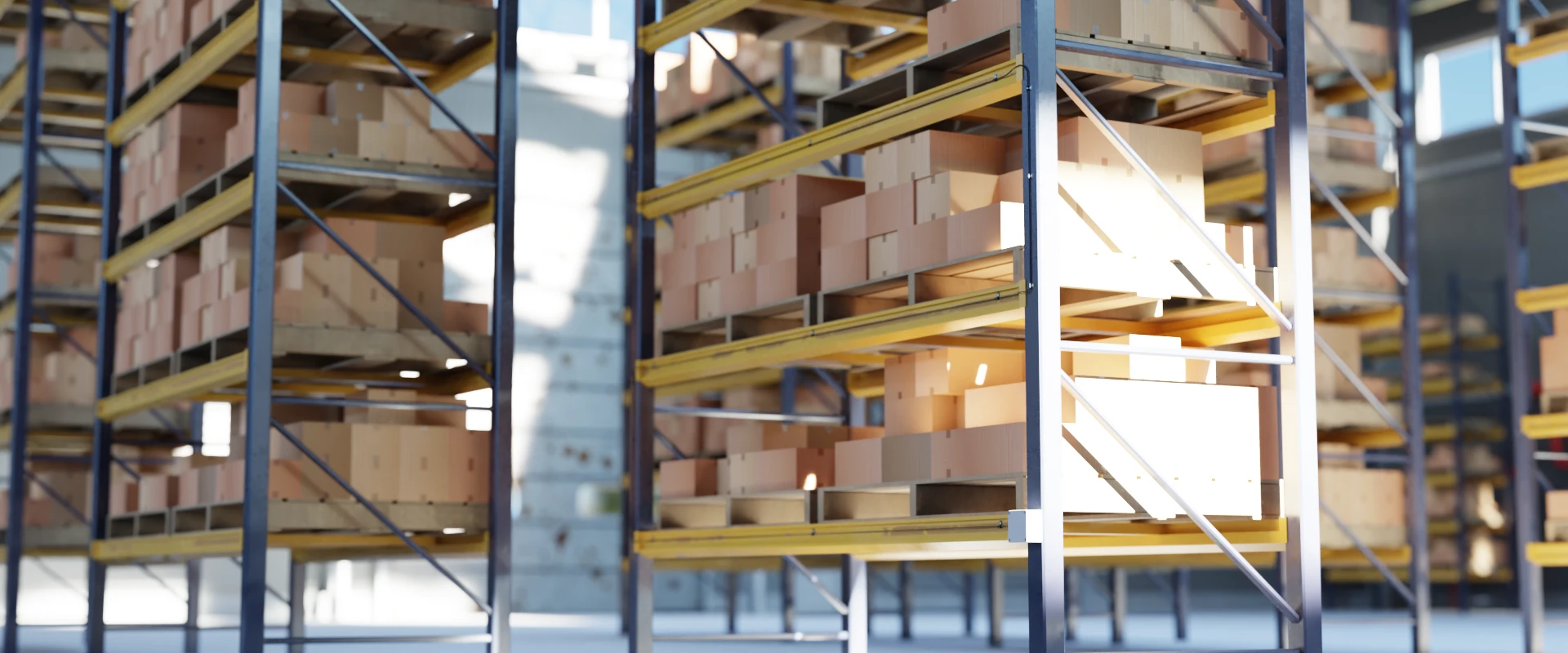
Whether driven by the rise in online shopping or simply by the cost-savings available from modern centralised distribution models, warehouses are springing up in key transport hubs and they are getting bigger and bigger. Several have already fallen victim to high profile fires, which have destroyed large quantities of stock and had an impact on […]

Disabled Refuge Placement
Emergency voice communication (EVC) systems are designed to ensure clear and reliable communication during emergencies, particularly in buildings or areas where people might be isolated or unable to evacuate without assistance. These systems typically include components such as fire telephone systems, which allow direct communication between key locations within a building and emergency control points, […]

FyreLine Digital Linear Heat Detection for Solar Carports
Solar carports integrate photovoltaic (PV) panels into carport roofs, generating renewable energy and providing shaded parking. Made from materials like steel or aluminium, they support solar panels and withstand various weather conditions. Solar panels capture sunlight, converting it into direct current (DC) electricity. Inverters then change this DC electricity into alternating current (AC) for practical […]