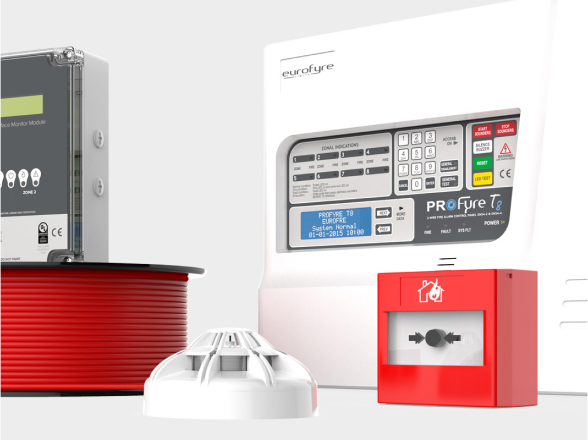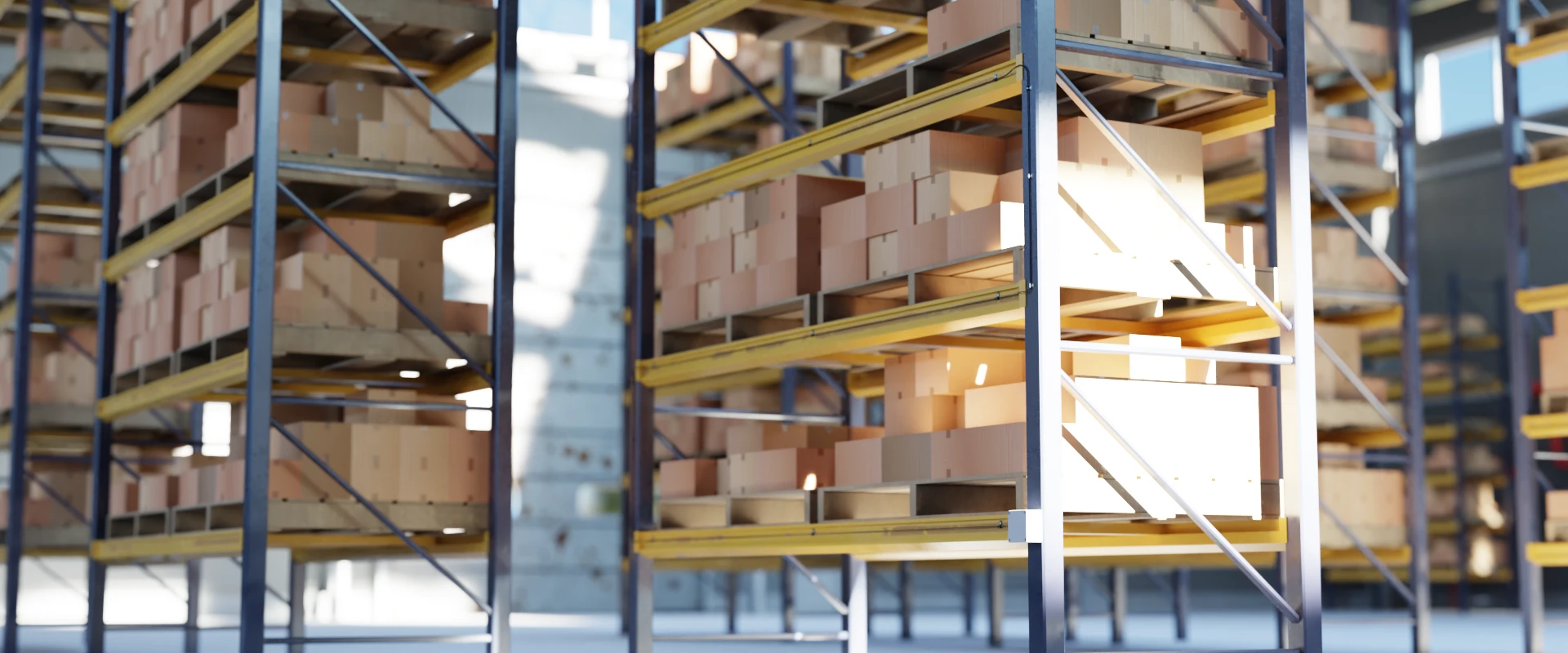
FyreLine Digital Linear Heat Detection Integration with Xenos
Linear heat detection systems use heat-sensitive cables to detect temperature changes over large areas, making them ideal for challenging environments like tunnels or industrial facilities. These systems provide continuous monitoring along their entire length, enabling rapid detection of potential fire hazards. Combining linear heat detection with wireless fire detection enhances overall safety by providing flexible, […]
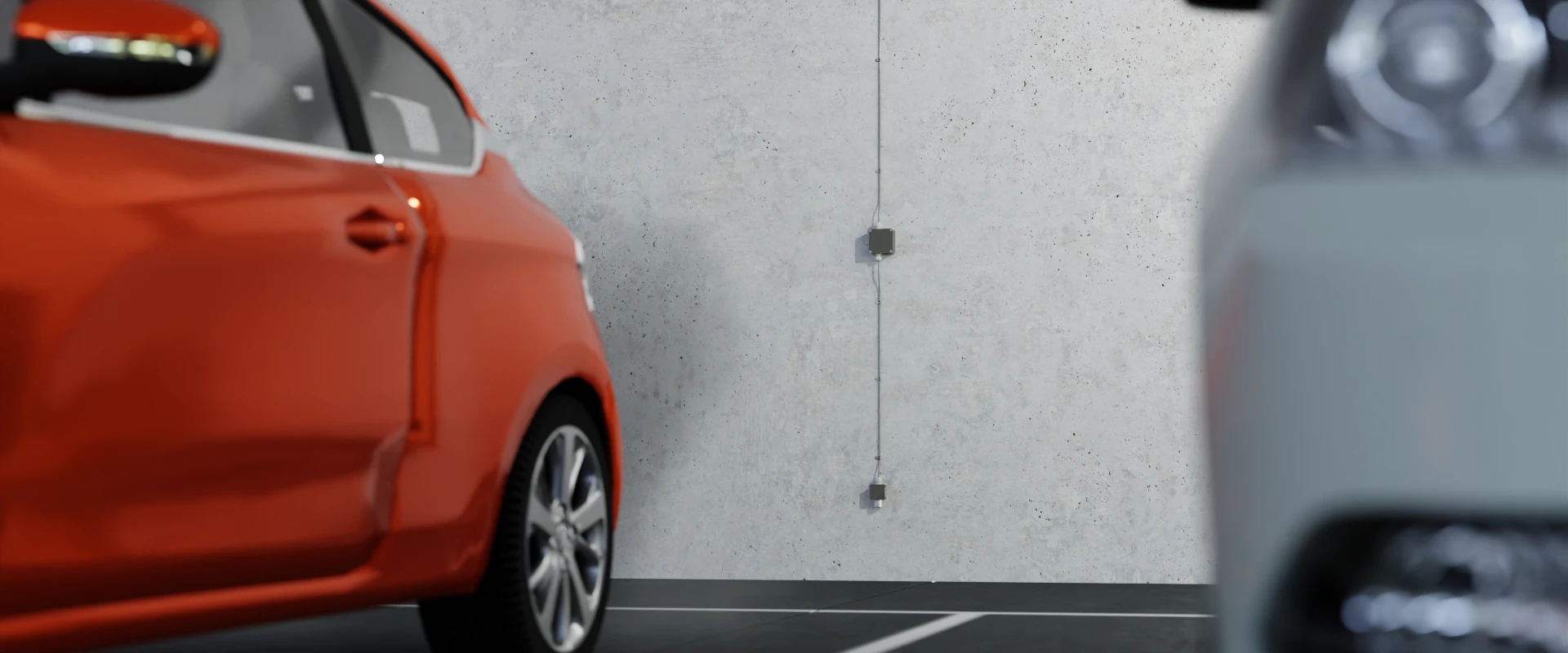
Oggioni PARK-4 Gas Detection for Car Parks
A car park is a designated area where vehicles can be temporarily stored, typically near shopping centres, offices, or public spaces. These can be outdoor lots or enclosed structures like multi-storey or underground facilities. Enclosed car parks, however, carry certain risks due to poor ventilation – vehicles emit gases such as carbon monoxide (CO) and […]

What is an AOV System?
About AOV Systems An AOV is an ‘automatic opening vent. These can be windows or roof vents at the top of stairwells or smoke shafts. An AOV system comprises a vent or vents which can be opened or closed automatically by control equipment for the purposes of smoke evacuation or environmental ventilation. The Purpose of […]

Office Disabled Refuge System – Handpicked Solutions by Eurofyre
An office is a space designated for administrative or professional work, where employees perform tasks like communication, management, and documentation. Offices are typically located in commercial buildings, business parks, or within larger organisations, such as schools or hospitals. They can also be found in home settings, especially with the rise of remote work. Types of […]

Morley-IAS Plus Addressable Fire Detection for Offices
Office spaces are typically designed for administrative, managerial or clerical work and often include open-plan areas, individual offices, meeting rooms and common areas like kitchens or break rooms. The primary use of these spaces is to facilitate efficient and productive work environments. They are usually equipped with computers, office furniture, and various electrical devices, all […]